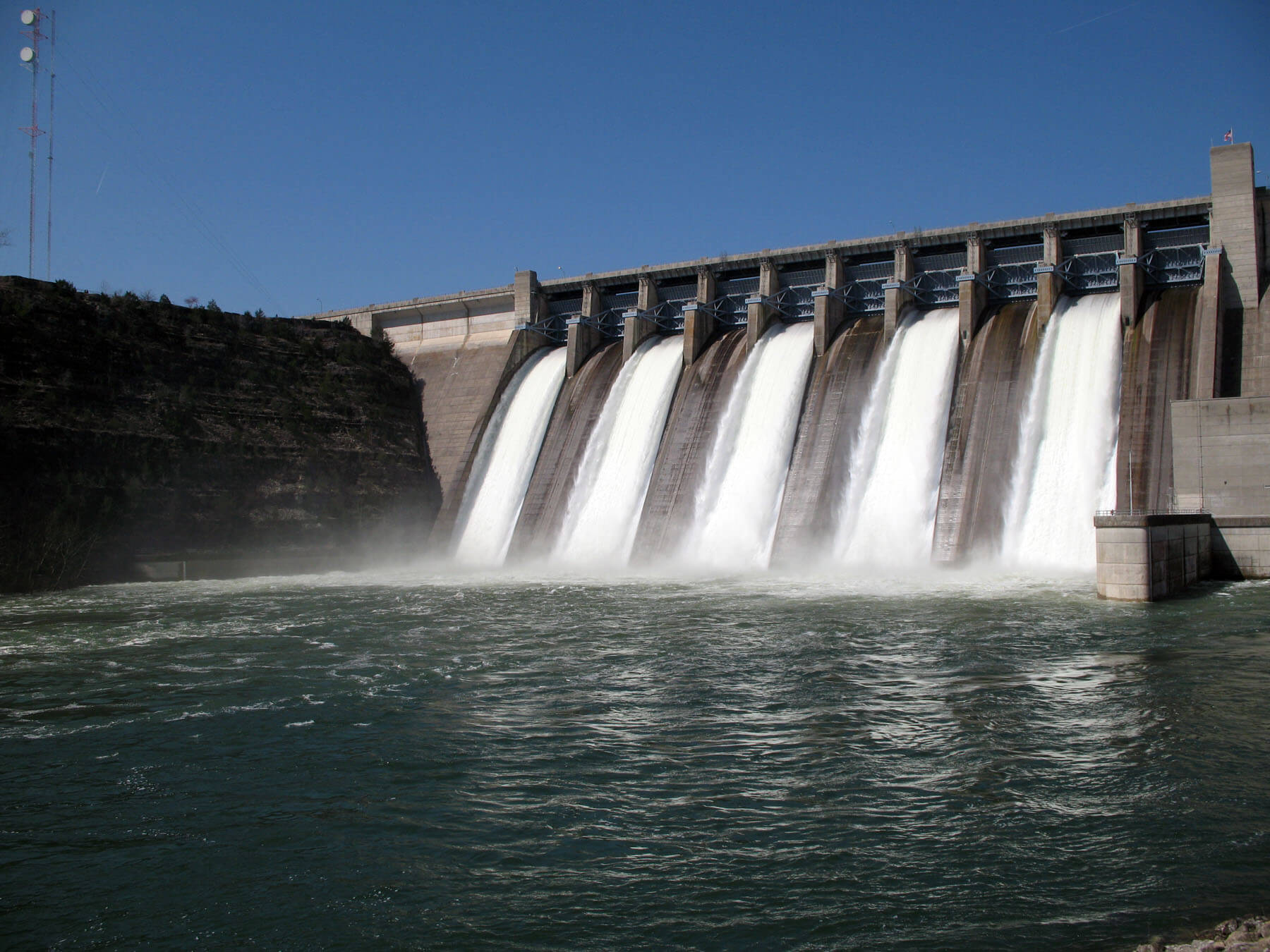
The landmark judgment delivered on September 17, 2026, by the International Chamber of Commerce (ICC) in Paris has brought immense relief to Nigeria in its protracted dispute with Sunrise Power and Transmission Company Limited over the Mambilla Plateau Hydroelectric Power Project
For nearly two decades, the country faced the threat of paying $338 billion to settle a contract that was widely considered dubious and improperly authorised. The tribunal’s dismissal of Sunrise’s claims not only vindicated Nigeria’s position but also saved the nation from channelling scarce resources into an unjust settlement.
The debacle dates back to 2003, when Nigeria’s then Minister of Power, Olu Agunloye, awarded the contract for the Mambilla Power Project to Sunrise without the approval of then-President Olusegun Obasanjo The irregular award not only triggered a prolonged legal dispute but also prevented China Gezhouba Group Corporation (CGGC), the Chinese company engaged to execute the project in 2007, from commencing full-scale work. Although the clearing of the project site had begun and compensation was reportedly paid to affected communities, the arbitration battle stalled progress. The project, designed to generate more than 3,000 megawatts of electricity, remained on hold as the dispute moved through failed negotiations, aborted settlements and multiple claims by Sunrise before finally reaching the ICC tribunal in Paris.
The Sunrise case was not the only dispute in which Nigeria was exposed to the risk of crippling liabilities arising from dubious contracts A similar case involved Process and Industrial Developments Limited (P&ID), which claimed to have secured a contract to build a gas-processing facility in Cross River State. Nigeria was accused of failing to supply the gas feedstock, and P&ID dragged the country before an arbitration tribunal in London. The company sought damages of more than $11 billion, an amount that could have devastated Nigeria’s economy if enforced. Yet investigations revealed that P&ID never executed the project and had obtained the contract through fraudulent means, including bribing Nigerian officials. The UK High Court eventually set aside the award in 2023, saving Nigeria from an unjust liability. Like the Sunrise case, the P&ID case underscores how flawed contracts can imperil national resources and highlights the importance of vigilance in public procurement.
Another case involving Global Infrastructure Holdings Limited (GIHL) over the concession of Ajaokuta Steel Company in Kogi State was a particularly controversial arbitration battle Between 2004 and 2007, GIHL was granted control of Ajaokuta Steel and related assets under concession agreements that quickly became problematic, as the company was accused of abusing the factory and failing to fulfil its obligations. In 2008, the administration of President Umaru Musa Yar’Adua revoked the contracts, citing irregularities and national interest. The company responded by dragging Nigeria before an arbitration tribunal in London, demanding damages estimated at between $10 billion and $14 billion. After years of litigation, Nigeria was compelled to settle in 2022, paying about $500 million and granting GIHL control over the Itakpe iron ore mines. Although Nigeria avoided the astronomical sums initially sought, the settlement still represents a grave exploitation of the country’s resources by a foreign company.
In all the cases highlighted above, the Economic and Financial Crimes Commission (EFCC) consistently pointed to dubious civil servants and political leaders as collaborators with those who sought to defraud Nigeria This revelation is deeply unfortunate, as it undermines the very principles of nationalism and patriotism that should guide public service. No crime of such magnitude could possibly be executed without the active involvement or tacit approval of ministers and senior civil servants who occupy positions of trust. Their betrayal of duty not only weakens the nation’s institutions but also erodes public confidence in governance. It is therefore imperative that all such individuals be called out, named and shamed, with appropriate prosecutions pursued to serve as a deterrent to others. Allowing these crimes to go unpunished emboldens future offenders and perpetuates a cycle of corruption that drains national resources and stifles development. Nigeria cannot afford to tolerate such acts of sabotage from within its own leadership.
The prolonged court case instituted by Sunrise against the Nigerian government has delayed the implementation of the Mambilla Plateau Power Project for several years, creating a major setback for Nigeria’s power sector Power remains the bedrock of economic development, and the inability to move forward with this 3,050MW hydroelectric project has left the nation grappling with inadequate electricity supply, stifling industrial growth and economic progress. China Gezhouba Group first signed the contract to execute the project in May 2007, at an estimated cost of $5.792 billion. However, given the years of delay, inflation and rising construction costs, the financial burden has undoubtedly escalated far beyond the original estimate.
Nigeria has not only lost valuable time but will now be forced to spend significantly more resources to bring the project to completion Furthermore, the dubious and protracted legal battles have tarnished Nigeria’s image abroad, discouraging foreign investors and raising doubts about the country’s ability to manage large-scale infrastructure projects transparently. This situation underscores the urgent need for decisive resolution, accountability and a renewed commitment to national development.
Now that the ICC tribunal has dismissed the multibillion-dollar litigation by Sunrise Power, the single biggest legal hurdle impeding the Mambilla Power Project has finally come to an end The Nigerian government must capitalise on this definitive victory and immediately re-engage the Chinese company to mobilise back to the project site. Today, Nigeria continues to suffer from a crippling energy deficit, with active on-grid generation hovering around a meagre 4,000 to 5,400 megawatts, a fraction of the estimated national demand of between 13,000MW and 30,000MW. This stark deficiency is routinely exposed by the persistent and embarrassing collapse of the national electricity grid, which plunges the entire country into darkness. To survive, domestic industries and companies are forced to rely heavily on expensive diesel, petrol and emerging solar alternatives.
The federal government must do everything humanly and logistically possible to ensure that the Mambilla project is realised and permanently unlocks thousands of megawatts of electricity for national development
Let the sun now rise on the Mambilla Power Project