Key Takeaways
- EFCC freezes Osun State Government's bank account, sparking outrage
- WAEC releases 2026 WASSCE results with 12 million candidates passing English and Mathematics
- Troops rescue 308 kidnap victims in a major operation
The Economic and Financial Crimes Commission (EFCC) has frozen a bank account operated by the Osun State Government, leading to widespread criticism and outrage. The move has been condemned by various stakeholders, including the Nigerian Bar Association (NBA), which has faulted the EFCC's actions.
In other news, the West African Examination Council (WAEC) has released the 2026 results of the West African Senior School Certificate Examination (WASSCE), with a significant number of candidates passing English and Mathematics. This development is expected to have a major impact on the education sector in Nigeria and beyond.
Meanwhile, the Secretary to the Government of the Federation (SGF), George Akume, has announced that the Federal Government would deepen consultations with Catholic Bishops following the criticisms that greeted the Presidency's rebuke of John Cardinal Onaiyekan recently. This move is seen as an attempt to mend fences and improve relationships with the Catholic Church.
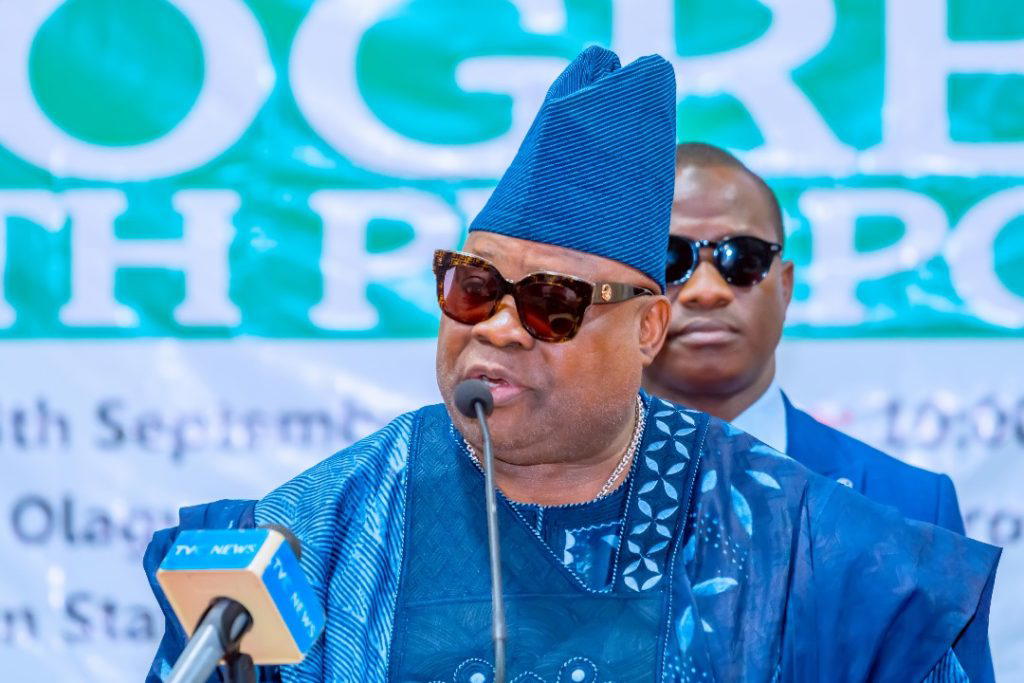
The political landscape in Osun State is also heating up, with Governor Ademola Adeleke and the All Progressives Congress (APC) engaging in a war of words over allegations of fraud, vote-buying, and intimidation. The situation is being closely monitored by stakeholders, who are calling for calm and restraint.
In a related development, troops in collaboration with operatives of the Department of State Services (DSS) have freed 308 kidnap victims in what is being termed the biggest rescue operation. This development is a major boost to the fight against kidnapping and insecurity in Nigeria.
Why This Matters
The recent developments in Nigeria highlight the need for accountability, transparency, and good governance in the country. The EFCC's actions, the WAEC results, and the rescue operation all have significant implications for the country's future, and it is essential that stakeholders work together to address the challenges facing Nigeria.