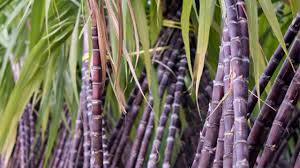
5 billion importing raw cane sugar for refining in the first half of 2026, H1’26, according to the National Bureau of Statistics (NBS) Foreign Trade in Goods Statistics data. 02 billion recorded in Q1’2026. Brazil was the sole disclosed supplier of the commodity in both quarters, with cane sugar ranking as Nigeria’s top imported raw material product in Q1’26 and third in Q2’26. Speaking at First Bank’s Agric Expo in Lagos, Governor Umar Bago of Niger State said Nigeria imports 97 per cent of the sugar it consumes, despite having land suited to growing it locally. He stated: “Nigeria imports 97 per cent of the total sugar we use.
All our factories in Lagos, when they say they are producing, it’s not true, they process imported sugar concentrates. Only about three per cent is what we produce”. He added, “We have arable land. ”Bago said sugarcane held far broader economic potential beyond raw sugar, citing ethanol production, molasses for confectionaries and animal feed, and bagasse for power generation. He noted that ‘‘there is no waste’’ in the product’s value chain adding that leftover materials could even be moulded into roofing sheets.
He linked Nigeria’s food import bill to the country’s wider trade imbalance, noting that Nigeria had already imported over $3 billion worth of food this year and could approach $4 billion by year-end. Bago stated further: “We cannot rely on imports; we must have a balance of trade. ‘‘But right now, we have almost 80 per cent import and about 20 per cent, maybe, export”. Meanwhile, he pointed to Niger State’s own agricultural initiatives, including a state-owned seed research institute and a planned large-scale greenhouse project in partnership with Turkey, aimed at boosting Nigeria’s non-oil export capacity.