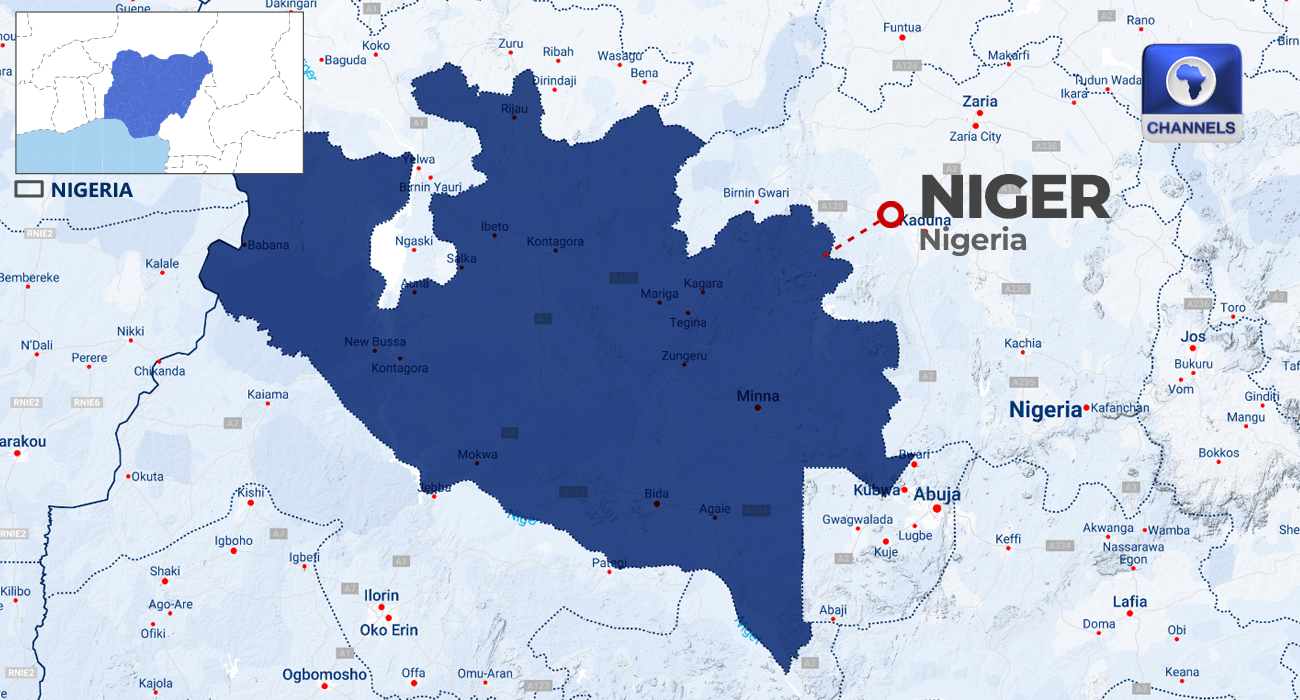
- The Niger State ACReSAL Project is addressing severe erosion caused by flooding.
- Bids are now open for a restoration project at the Mokwa gully site.
- Recent floods highlighted the need for extensive infrastructure improvements.
- The project scope has expanded from 5.7 kilometers to roughly 17 kilometers.
- Local leadership assures residents of proactive measures against future flooding.
The Niger State Agro-Climatic Resilience in Semi-Arid Landscapes Project (ACReSAL) has taken significant steps to address the aftermath of the catastrophic flooding that devastated the Mokwa region in May 2025. With bids officially opened for the reclamation and restoration of the affected gully erosion site, the initiative aims to not only repair the damage but also to mitigate future flood risks.
Raji Shehu, the State Project Coordinator of Niger ACReSAL, stated that the unprecedented flooding was due to a confluence of natural events and human interference, particularly the obstruction of natural waterways. This alteration had dire consequences as it exacerbated the flood's impact, causing extensive destruction to homes and properties in the area.
The project has undergone several changes since the initial bid opening in April 2025, which had to be temporarily suspended due to the onset of the flooding on May 29. Abubakar Musa, the Commissioner for Environment and Climate Change, indicated that a detailed reassessment and redesign of the project became essential to adapt to the evolving needs after the disaster.
Initially, the project covered approximately 5.7 kilometers, but following the extensive flooding, it expanded to nearly 17 kilometers, which necessitated adjustments in engineering plans and environmental assessments. The Commissioner emphasized that these necessary revisions contributed significantly to the delay in advancing the procurement process.
The current bid opening signals a pivotal phase in the procurement journey to restore the Mokwa stormwater infrastructure and address gully erosion effectively. The financial estimates being put forth by bidders suggest the project requires a substantial investment, potentially amounting to billions of naira, a fact echoed by Musa.
The ambitious plan aims to engage a successful contractor during the peak of the rainy season, with hopes for site mobilization by September or October. Musa expressed optimism that significant progress could be achieved before the next rainy season, forecasting the entire project to span no longer than 18 months.
In addition, ACReSAL has implemented rigorous monitoring protocols, which include project engineers and independent consultants, to ensure adherence to project specifications and maintain high quality standards.
Jibrin Muregi, Chairman of Mokwa Local Government Area, underscored local approval of the government's commitment to preventing future disasters. He indicated the formation of a climate change committee focused on educating residents in flood-prone regions about disaster prevention and early warning systems.
Additionally, affected residents have been urged to relocate to safer areas, further exemplifying the local government's proactive stance against the potential for further tragedies. Muregi commendably expressed confidence in Governor Umaru Bago's administration, highlighting the renewed optimism surrounding the project and urging strict timelines and quality assurance from the eventual contractor.
Why This Matters
This restoration project is crucial for safeguarding lives and properties in Mokwa from future flooding events, reflecting the government's commitment to regional resilience and environmental sustainability.