Key Takeaways
- Prime Minister Benjamin Netanyahu cast his vote in Jerusalem, urging citizens to choose 'the right way' in a closely contested general election.
- This election is the first national ballot since the devastating Hamas attack on October 7, 2023, profoundly shaping voter sentiment.
- Israel's electorate remains deeply divided, reflecting significant internal challenges and differing visions for the nation's future.
- The outcome will determine the country's leadership amidst ongoing security threats and complex political landscapes.
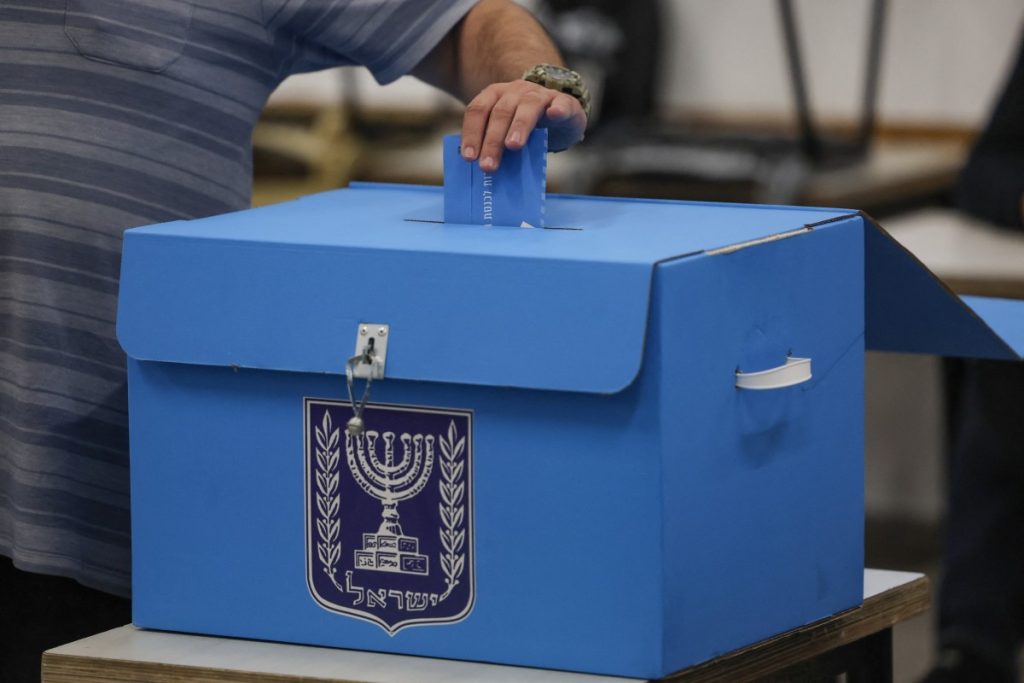
Prime Minister Benjamin Netanyahu, a towering figure in Israeli politics for decades, cast his ballot in Jerusalem on Tuesday, issuing a direct appeal to the electorate to vote “the right way” in what is widely considered a pivotal general election. His call underscores the high stakes of a race that is proving to be exceptionally close-fought, with the nation grappling with profound challenges.
This election holds unprecedented weight, marking the first time Israelis have flocked to the polls since the horrific October 7, 2023, attack by Hamas. That day's events, which plunged the nation into a prolonged conflict and a period of intense national introspection, have undeniably reshaped the political landscape and the priorities of voters.
The electorate, already known for its diverse and often polarized views, is now more deeply divided than ever. Citizens are delivering their verdict not only on the veteran leader's long tenure but also on the broader direction of the country in the wake of the deadliest attack in Israel's history. Questions of security, leadership accountability, and national unity loom large over every ballot cast.
Netanyahu, often referred to as 'Bibi,' has dominated Israeli politics for much of the past three decades, serving multiple terms as prime minister. His current bid for leadership comes at a time when the nation faces a complex array of internal and external pressures. Beyond the immediate security concerns stemming from the ongoing conflict, Israel grapples with significant economic challenges, social cohesion issues, and its standing on the international stage.
The outcome of this election will have far-reaching implications, not just for domestic policy but also for regional stability. Voters are tasked with choosing a government that can navigate the intricate path ahead, balancing the imperative of security with the need for social healing and economic recovery. The deep divisions within society mean that forming a stable coalition government could prove to be a formidable task, regardless of who emerges victorious.
As polls remain open, the anticipation across Israel is palpable. The choices made by millions of citizens today will shape the nation's response to its most pressing challenges and define its trajectory for years to come, reflecting a collective desire for stability and a clear path forward in uncertain times.
Why This Matters
This election is critical because it will determine Israel's leadership at a moment of profound national crisis and division, directly impacting the country's security posture, internal cohesion, and international relations in the aftermath of the October 7 attacks.