Key Takeaways
- NEMA advocates for stronger collaboration and increased investment in fire prevention across Kaduna State.
- Major causes of fire outbreaks include electrical faults, gas explosions, and weak compliance with safety regulations.
- Rapid urbanisation, congested settlements, and poor access roads significantly worsen the impact of fire incidents.
- Many existing fire detection and suppression systems in public and private organisations are non-functional due to poor maintenance.
- Stakeholders have pledged to strengthen public sensitisation and emergency preparedness to mitigate fire risks.
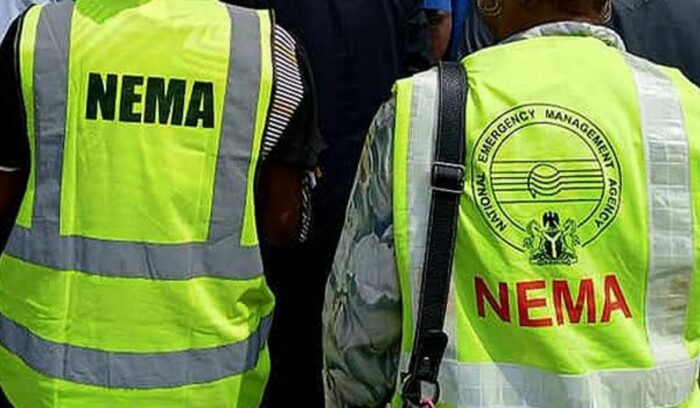
Kaduna State is grappling with a persistent threat of fire disasters, prompting the National Emergency Management Agency (NEMA) to issue a critical call for action. The agency is urging all stakeholders to foster stronger collaboration, invest proactively in fire prevention strategies, and significantly improve emergency coordination mechanisms to curb the devastating impact of these incidents across the state.
This urgent appeal was made during a crucial stakeholders’ engagement on fire disaster management, organised by NEMA in Kaduna. The forum brought together various government agencies, emergency services, and community leaders to address the escalating challenge.
The Escalating Threat of Fire Disasters
Mrs. Halima Suleiman, Head of NEMA Operations Office, Kaduna, underscored the imperative for coordinated action, highlighting that fire outbreaks continue to exact a heavy toll. “Coordinated action has become imperative as fire outbreaks continue to claim lives, destroy property and livelihoods, and cause huge economic losses,” she stated, as represented by Ikramat Umar, Head of NEMA’s Disaster Risk Reduction (DRR) Unit.
Suleiman meticulously outlined the primary culprits behind these destructive events. These include prevalent electrical faults, dangerous gas explosions, unsafe handling of petroleum products, careless use of naked flames, uncontrolled bush burning, improper storage of combustible materials, and a pervasive weak compliance with established fire safety regulations. Furthermore, she pointed out that rapid urbanisation, the proliferation of congested settlements, inadequate access roads for emergency vehicles, and critical delays in reporting emergencies often exacerbate the severity and impact of fire incidents, turning minor blazes into major catastrophes.
A Shared Responsibility: Beyond Single Agency Efforts
Emphasising the complex nature of disaster management, Suleiman stressed that it is fundamentally a shared responsibility. She firmly asserted that no single agency possesses the sole capacity to effectively prevent, prepare for, respond to, and recover from major fire emergencies. The engagement was specifically convened to critically review existing coordination mechanisms, identify operational gaps that hinder effective response, clarify institutional responsibilities among various bodies, and collectively develop practical, actionable strategies to significantly improve emergency response capabilities.
“It is always better to prevent disasters than to respond after lives and property have already been lost,” she wisely remarked, echoing a sentiment central to modern disaster risk reduction philosophies.
Prevention Over Reaction: The Federal Fire Service Perspective
Reinforcing NEMA’s stance, Mr. Isa Sadiq, Head of Inspection, Investigation and Enforcement at the Federal Fire Service, Kaduna Command, reiterated that fire prevention remains the single most effective strategy for safeguarding lives and property. Sadiq expressed profound concern over a critical oversight: many public and private organisations have installed fire detection and suppression systems that are no longer functional due to chronic poor maintenance.
“Most of these facilities have fire safety equipment, but they are not working. They were installed, but many have not been maintained,” he lamented, highlighting a significant vulnerability. He further stressed, “It is better we invest in prevention because once a fire starts, the damage is already done.” To address this, the Federal Fire Service has initiated a profiling exercise to identify organisations within Kaduna metropolis that possess functional firefighting equipment, aiming to bolster emergency preparedness and enhance compliance with essential fire safety standards. Sadiq also strongly advocated for a unified emergency communication system, underscoring that timely and accurate information sharing is absolutely critical for an effective and swift emergency response.
Broadening the Front: Stakeholder Engagement and Future Steps
The crucial forum attracted a diverse array of participants, reflecting the multi-sectoral nature of disaster management. Attendees included representatives from the Kaduna State Fire and Public Safety Service, Federal Fire Service, Kaduna State Traffic Law Enforcement Authority (KASTLEA), National Orientation Agency (NOA), Federal Road Safety Corps (FRSC), Nigerian Red Cross Society, Safety Awareness and Environmental Support Initiative, alongside influential traditional and religious leaders, and media practitioners. Collectively, the participants pledged to strengthen their collaboration, intensify public sensitisation campaigns, and enhance emergency preparedness efforts to significantly reduce the incidence and impact of fire disasters across Kaduna State.
Why This Matters
The concerted call for collaboration and investment in fire prevention in Kaduna State is not merely an administrative directive; it is a vital step towards safeguarding human lives, protecting economic assets, and ensuring community resilience. By proactively addressing the root causes of fires and strengthening emergency response infrastructure, Kaduna can mitigate devastating losses and foster a safer, more sustainable environment for its citizens.