Key Takeaways
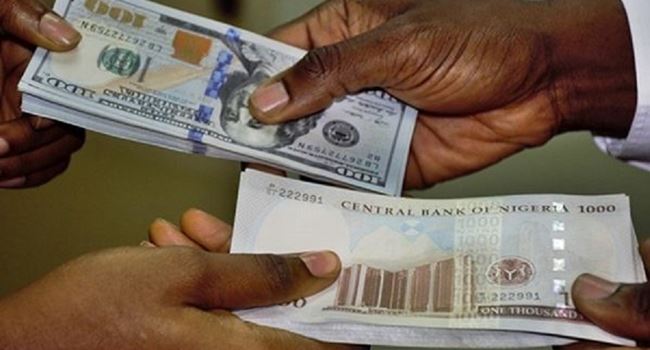
- The naira slipped to N1,405 per dollar in the parallel market on Thursday, down from N1,400 on Wednesday.
- At the official Nigerian Foreign Exchange Market (NFEM), the naira appreciated to N1,347.5 per dollar from N1,351.
- The spread between the parallel and official rates widened to about N57.5 per dollar from N49 a day earlier.
- Interbank FX turnover at NFEM rose by 0.22 percent to N371.8 million.
Mixed Signals in the Currency Market
The naira delivered a split-screen performance on Thursday, losing ground on the parallel market while gaining modestly in the official window. The divergent moves highlight the fragile balance between market demand and the Central Bank of Nigeria's managed exchange rate system.
At the parallel market, the naira traded at N1,405 per dollar, representing a N5 depreciation from Wednesday's close of N1,400. Meanwhile, at the Nigerian Foreign Exchange Market (NFEM), the indicative exchange rate improved to N1,347.5 per dollar, compared with N1,351 the previous day.
Official Market Shows Fragile Gains
CBN data revealed that the official rate appreciated by N3.5, a modest but positive move for the naira. The NFEM is a key platform for banks and authorized foreign exchange dealers, and the improvement suggests a slight easing of pressure within the formal channel.
Interbank turnover at NFEM rose by 0.22 percent to N371.8 million from N370.98 million the previous day, indicating that transaction volumes edged higher even as the exchange rate firmed.
Parallel Market Remains Under Pressure
On the streets, however, the naira's slide continued. The parallel market rate weakened by N5, reflecting persistent demand for dollars from individuals and businesses that are often unable to access the official window.
As a result, the gap between the parallel and official markets widened to approximately N57.5 per dollar, up from N49 on Wednesday. A wider spread typically points to supply bottlenecks or speculative activity in the unofficial segment.
Why the Divergence Matters
The widening differential raises concerns for price stability and investor confidence. In Nigeria, the parallel market is the go-to source for many users of foreign exchange, so its movement often influences inflation expectations and the cost of imported goods.
While the official rate is carefully managed, the parallel market provides a real-time gauge of supply and demand. Businesses and households watching the gap will be hoping for a convergence that eases cost pressures across the economy.
Why This Matters
The naira's split direction underscores the structural challenges in Nigeria's foreign exchange market, where official and unofficial rates continue to drift apart. Sustained divergence could complicate monetary policy and raise the cost of doing business for firms reliant on imported inputs.