Key Takeaways
- The Budget Office did not create the Presidential Foreign Investment Promotion Council or approve its establishment.
- No funds were released for the council due to unfulfilled statutory conditions.
- The Budget Office acted within its constitutional responsibilities in assessing fiscal implications.
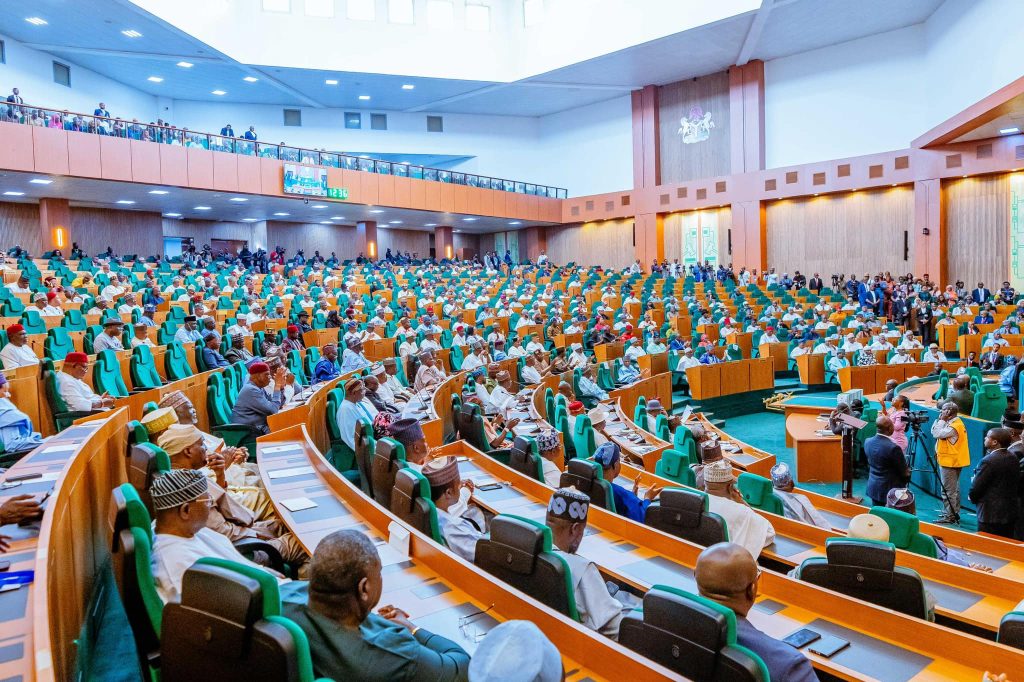
The Director-General of the Budget Office of the Federation, Tanimu Yakubu, appeared before the House of Representatives Ad-Hoc Committee to address allegations surrounding the allocation of funds to the Presidential Foreign Investment Promotion Council (PFIPC). Yakubu insisted that despite provisions made in the 2026 Appropriation Act, not a single kobo was released or spent because the statutory conditions for expenditure were never fulfilled.
The DG explained that the Budget Office merely carried out its constitutional responsibility of assessing the fiscal implications of approvals issued by other government institutions. He stated that the office rejected the council's initial estimate of N3.8 billion for personnel costs and instead calculated a lower figure of N802.98 million based on approved establishment and applicable public service salary structures.
Investigation Details
Yakubu emphasized that the personnel provision never translated into actual spending due to the lack of financial clearance, a mandatory requirement before recruitment, payroll enrolment, and salary payments can commence. He also noted that the N200 million overhead allocation and N300 million capital allocation remained untouched due to unfulfilled procurement requirements and the absence of treasury warrants and cash backing.
During the hearing, committee members questioned the legal basis for the budgetary provisions made for the council, citing a purported Act establishing it that lacked a gazette number, the signature of the Clerk to the National Assembly, and evidence of presidential assent.
The committee chairman, Rep. Yusuf Gagdi, defended the Budget Office's actions, stating that the evidence showed the office acted on approvals issued by relevant government agencies. Gagdi noted that the investigation had shifted from the Budget Office to determining how forged documents found their way into official government processes.
Why This Matters
The outcome of this investigation will have significant implications for the accountability and transparency of government agencies in Nigeria, highlighting the need for rigorous verification of documents and adherence to statutory conditions for expenditure. The committee's findings will also inform measures to prevent similar incidents in the future.