Key Takeaways
- Presidential spokesman Daniel Bwala insists public discourse should move past his pre-election criticisms of President Bola Tinubu.
- He clarified that while his past remarks are now “baseless” in context, they were never “false.”
- Bwala expressed frustration during a Channels Television interview, accusing the anchor of dwelling on irrelevant past statements.
- He advocated for a focus on critical national issues such as the economy, education, and security.
- Bwala highlighted the Tinubu administration's claimed progress, particularly in enhancing security agency coordination.
- He also accused the interviewer of exhibiting bias by amplifying opposition narratives while overlooking similar issues among opposition figures.
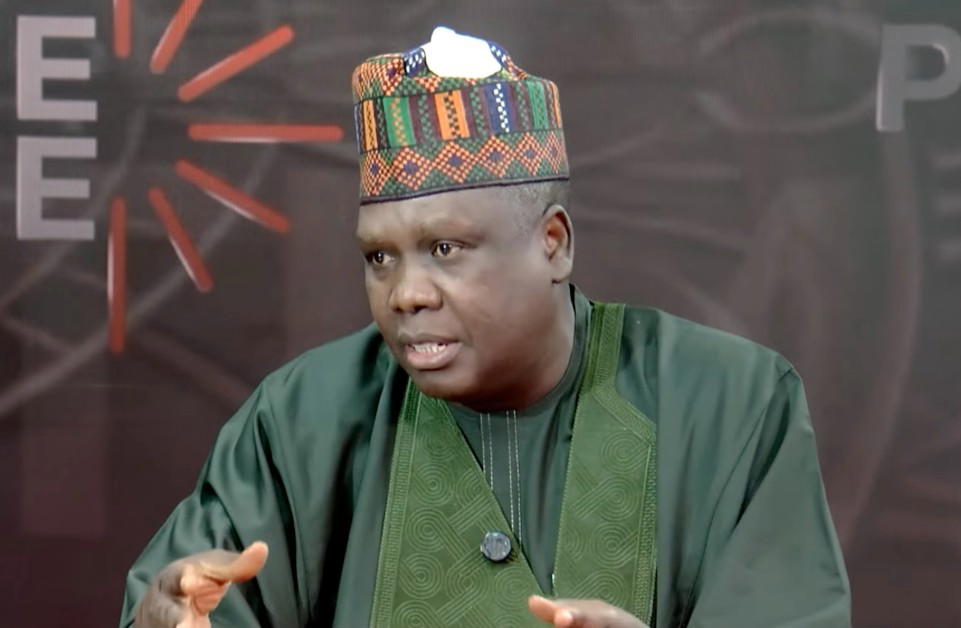
Abuja, Nigeria – Presidential spokesman Daniel Bwala has firmly stated that his previous remarks against President Bola Tinubu should no longer dominate public discourse, labeling them as “baseless” within the context of current realities. While making this assertion, Bwala was quick to clarify that these past statements were never factually incorrect, drawing a nuanced distinction between their validity then and their relevance now.
The declaration came during a spirited appearance on Channels Television’s ‘Politics Today’ program on Wednesday, where Bwala engaged in a tense exchange with anchor Seun Okinbaloye. The core of their disagreement revolved around Okinbaloye’s persistent questioning regarding Bwala’s pre-administration comments about Tinubu, a line of inquiry that visibly frustrated the presidential aide.
Bwala openly expressed his surprise and irritation that the presenter continued to revisit his historical statements instead of delving into pressing issues directly affecting Nigerian citizens. “The first person that started asking me this question was you, and you have done that more than five times. Are you not tired?” Bwala queried, emphasizing, “They are completely inconsequential to what is happening.”
He passionately argued that the conversation should have pivoted towards substantive matters of governance, including the nation’s struggling economy, the state of education, pervasive security challenges, and even a letter purportedly sent by former United States President Donald Trump commending Tinubu’s security initiatives. “We have taken almost 10 minutes on this,” he noted. “Nigerian people want to hear tonight what is happening to their lives. They want to know what is happening with their economy, with their education, and most importantly, with security.”
According to Bwala, the Tinubu administration has already achieved notable progress, particularly in fostering improved coordination among the country’s diverse security agencies. “We have made substantial progress. It is the first time in Nigeria’s history that the leadership of President Bola Tinubu has brought about very strong collaboration,” he affirmed, pointing to tangible improvements.
When pressed by Okinbaloye on whether describing his former comments as “baseless” implied they were lies, Bwala meticulously differentiated between the two concepts. “They are not lies. They are baseless. Not important for conversation,” he reiterated, underscoring his position that their current relevance, not their truthfulness, was the issue.
Furthermore, Bwala accused the presenter of giving undue prominence to opposition talking points while seemingly overlooking similar issues involving opposition politicians. “I’m trying my best not to be aggressive about it, but you’re riding on the opposition’s back horse,” he stated, suggesting a perceived bias in the interview’s direction.
He cited Labour Party leader Peter Obi as a pertinent example, highlighting, “Peter Obi has since changed parties four times. How many times have you asked their people?” This comparison aimed to illustrate what Bwala perceived as an uneven application of scrutiny. Bwala maintained that debates over his previous criticisms of Tinubu had become entirely irrelevant, urging a greater and more immediate attention to the administration’s current policies and the critical issues directly impacting the lives of everyday Nigerians.
Why This Matters
This exchange highlights the ongoing tension between media accountability for past political statements and the government's desire to focus public discourse on current policies and achievements. It underscores the critical role of both journalists and public officials in shaping national conversations and addressing pressing societal concerns.