Key Takeaways
- Naomi Osaka stated she would consider quitting professional tennis if her daughter, Shai, asked her to.
- Motherhood has significantly altered Osaka's priorities, making her daughter her "biggest priority."
- The four-time Grand Slam champion is currently balancing her tennis career with her role as a parent.
- Osaka expressed solidarity with Coco Gauff regarding online racist abuse, drawing on her own experiences.
- Despite the challenges, Osaka remains optimistic about regaining her top form in the coming year.
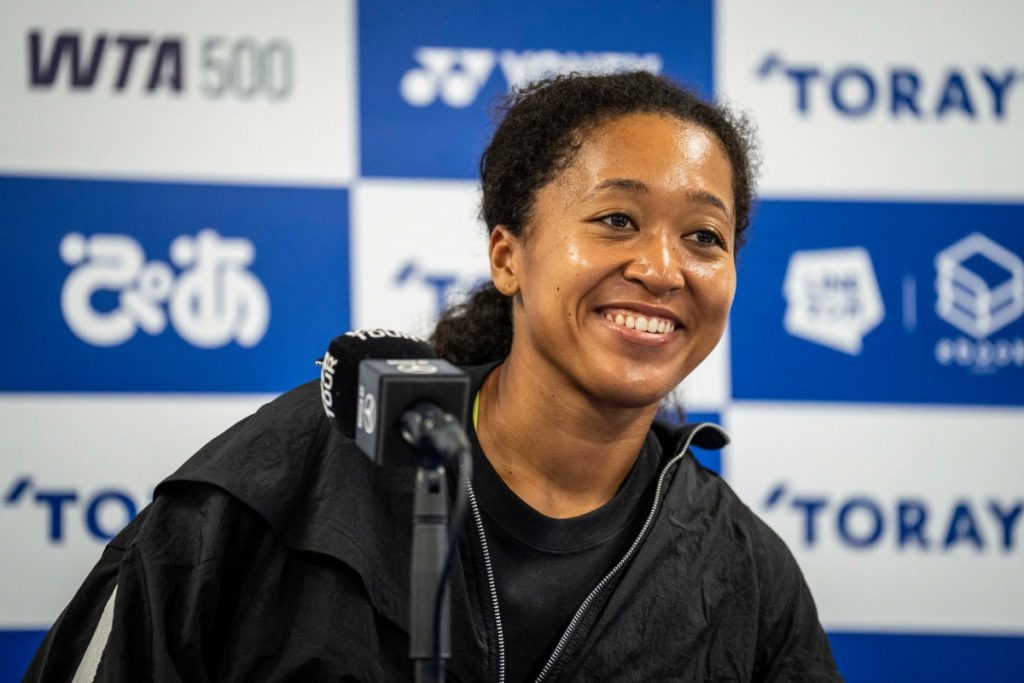
Former world number one and four-time Grand Slam champion, Naomi Osaka, has openly discussed the profound impact of motherhood on her professional tennis career, suggesting she would consider stepping away from the sport if her three-year-old daughter, Shai, expressed a desire for her to do so. This candid revelation came during her appearance at the Pan Pacific Open in Tokyo, marking a significant shift in perspective for the Japanese tennis star.
Osaka, who took a 15-month hiatus from tennis following Shai's birth before returning in 2023, emphasized that her priorities have fundamentally changed. "I wouldn't say I'm part-timing it but my entire day doesn't consist of that," the 29-year-old, currently ranked 19th globally, explained. "It's tough, sometimes I look towards my future and I often wonder how long I'm going to play. Because if my daughter did say she didn't want me to travel as much, I'm not the type of person to ignore that."
This isn't the first time Osaka has prioritized her personal well-being over her career. In 2021, she famously withdrew from the French Open to focus on her mental health, sparking a global conversation about athlete welfare. Her current stance underscores a continued commitment to a holistic approach to life, where her daughter's needs now take precedence. "My mindset is changing a lot with age," she noted, adding, "My daughter is my biggest priority. I try my best to put as much energy as I can into tennis. If I think about it in certain ways, I'm really proud of where I am now because it's not like I can dedicate my entire time to the sport."
Juggling the demands of elite professional tennis with the responsibilities of motherhood is a challenge Osaka is actively navigating. She described the process as "figuring out little by little," a sentiment that resonates with many working parents striving for balance. Her journey highlights the unique pressures faced by female athletes returning to competition after childbirth, often requiring immense dedication and a re-evaluation of career trajectories.
Beyond her personal reflections, Osaka also extended her support to American tennis sensation Coco Gauff, who recently spoke out about receiving "insane" racist abuse online during the China Open. Gauff, world number five and also Black, described the experience as "kind of draining." Osaka, whose mother is Japanese and father is Haitian, empathized deeply. "Nobody should have to go through that," she asserted. "It's sad but I'm used to it on my end. I feel like for me, I've dealt with that my entire career through decisions that I make that seem to make some people upset. It's tough."
Osaka expressed skepticism regarding the effectiveness of efforts by the Women's Tennis Association (WTA) to combat social media abuse, noting they don't "ever seem to fully work all the way." While acknowledging the common advice to stay off social media, she also recognized its importance for connecting with fans. Her personal solution has been to largely disengage from these platforms. As she competes as the seventh seed in Tokyo, facing Italy's Jasmine Paolini in the first round, Osaka remains "not far off" refinding her best form and is "optimistic for next year."
Why This Matters
Naomi Osaka's candidness offers a powerful voice to the evolving conversation around work-life balance for elite female athletes, particularly mothers, challenging traditional expectations of unwavering dedication to sport and emphasizing the importance of personal well-being and family. Her stance also brings critical attention to the pervasive issue of online abuse in sports, underscoring the need for more effective measures to protect athletes from harmful rhetoric.