Unprecedented Energy Crisis: A Catalyst for Global Transformation
The world is grappling with an energy crisis far more severe than any in recent memory, according to the International Energy Agency (IEA). Yet, this unprecedented crunch, fueled by geopolitical tensions in the Middle East, is paradoxically poised to dramatically accelerate the global pivot towards sustainable energy solutions.
IEA Chief's Dire Warning and a Glimmer of Hope
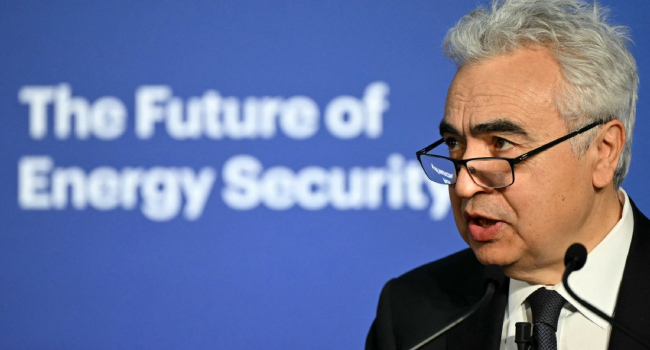
Fatih Birol, Executive Director of the IEA, delivered a stark assessment in an interview with the French conservative newspaper Le Figaro. He declared the current energy upheaval "is more serious than those of 1973, 1979 and 2022 combined." Birol directly attributed the immediate fuel price spike to Iran’s de facto blockade of the crucial Strait of Hormuz, a vital chokepoint for global energy supplies.
Despite the immediate challenges and the gravity of the situation, Birol expressed a cautious optimism, seeing "reasons to be optimistic" about the long-term implications for the energy sector. He predicted a profound reshaping of global energy geopolitics:
- The architecture of the worldwide energy system will undergo a significant transformation.
- This systemic change will unfold over several years, offering no immediate solution to the current crisis.
The Fast Track to Green Energy: Renewables, Nuclear, and EVs
Birol highlighted specific technologies that are expected to see rapid, accelerated development in response to the crisis, fundamentally altering the future energy landscape:
- Renewables: Solar and wind power are projected for swift deployment. Birol noted that these technologies "can be installed very quickly," predicting a significant turn towards them "probably within a few months."
- Nuclear Energy: The crisis is expected to bolster the development and adoption of nuclear power as a stable, low-carbon energy source.
- Electric Vehicles (EVs): The transition to electric mobility is also anticipated to accelerate, driven by the imperative to reduce reliance on fossil fuels.
Navigating the Immediate Peril: A "Black April" Warning
While the long-term outlook points towards a greener future, the short term demands extreme caution. Birol urged countries to be "as prudent as possible" in conserving energy, issuing a grim warning of a potential "black April."
He underscored the critical importance of the Strait of Hormuz, stating, "If the strait does indeed remain closed throughout April, we will lose twice as much crude oil and refined products as we did in March." Beyond energy, Birol also pointed out that the waterway is a key transit point for essential commodities, including fertilisers, highlighting the broader economic implications of its closure.