Global Economic Shock: Nigeria's Strategic Moves Amid Trade Uncertainties
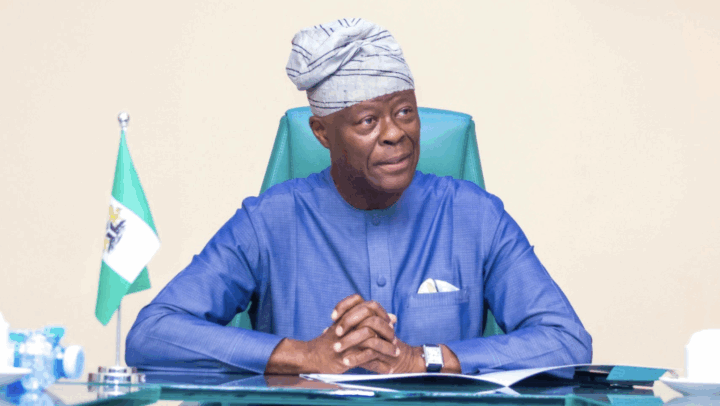
The Federal government has taken concrete steps in responding to the current global economic uncertainties, Minister of Finance and Coordinating Minister of the Economy, Mr. Wale Edun, has said. However, experts warn that policy missteps in trade and revenue systems could ultimately hurt consumers, as inefficiencies raise costs across the supply chain.
They also caution that the naira’s relative stability is being sustained at a significant cost, with declining foreign exchange reserves reflecting continued interventions to defend the currency amid global volatility.
The ongoing US-Israel Iran war triggered sharp increase in crude oil price, disrupted supply of critical petro-chemical products, leading to apprehension over global economics with the World Bank and International Monetary Fund, IMF, projecting an upward trend in inflation and decline in global economic growth.
In a statement issued in Abuja, yesterday, the minister noted that the Middle East war had created volatility in the global energy sector which has affected Nigeria, like other countries of the world.
He said, however, that the Federal Government has ramped up crude production, maintained liberal foreign exchange market and sustained the Naira-crude policy to mitigate effects of the global economic shock on the Nigerian public.
The minister said: “The Federal Government emphasises that Nigeria enters this period of global uncertainty from a position of strengthened economic fundamentals compared to recent economic shocks such as the COVID-19 and the Russia/Ukraine war shocks, following a combination of macroeconomic reforms since May 2023.”
The steps became important, the minister said, noting uncertainties created by the war.
His words: “Crude oil prices have experienced significant volatility since start of the conflict, rising between 35% and over 50%, driven primarily by disruption in the Strait of Hormuz. Bonny Light, Nigeria’s kind of oil, jumped from around $70- $73 a barrel to highs exceeding $110 – $120.”
Naira’s stability comes at heavy cost amid global crisis — Otunuga
Commenting on the impact of the US/Israel and Iran conflict on oil in focus, Lukman Otunuga, Head of Market Research at FXTM, said: “The Naira is the second best performing African currency against the dollar Year-to-Date, YtD, only surpassed by the Zambian Kwacha.”
Nigerian economy would likely have slipped into recession but for reforms —Farinto
Reacting to the development, the immediate past Vice President of the Association of Nigerian Licensed Customs Agents, ANLCA, Dr. Kayode Farinto said : “The Nigerian economy would likely have slipped into recession but for reforms undertaken by the current administration.”