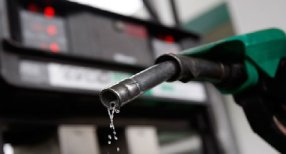
Unveiling the Dynamics: Why Nigeria's Petrol Prices Rise Quickly but Fall Slowly
The Major Energy Marketers Association of Nigeria (MEMAN) has provided insights into the rapid increase and slower decline of petrol prices in Nigeria.
During a recent webinar, MEMAN Chairman Hubb Stokman attributed this trend to cost recovery pressures, stock positions, and market volatility.
Key Factors Driving Price Fluctuations
- Cost Recovery Pressures: Marketers adjust pump prices quickly to generate working capital for purchasing the next fuel supply.
- Stock Positions: Marketers with existing inventory may delay price reductions to cushion against sharp drops.
- Market Volatility: Sharp changes in global oil prices and geopolitical events, such as the Middle East crisis, influence local fuel prices.
Stokman highlighted that fuel prices are among the most visible products subject to market dynamics, reflecting international nature more transparently than many other goods.
Impact of Global Volatility
The ongoing Middle East crisis has heightened uncertainty in global oil markets, affecting supply routes and prices. This situation presents challenges but also opportunities for West Africa to establish itself as a reliable energy hub.
Experts emphasize the need for sustained investment in supply chain systems and maintaining a competitive market structure to ensure fair pricing and long-term energy security.
Despite challenges, Nigeria remains relatively stable with adequate fuel supply coverage and the support of NNPC Limited.