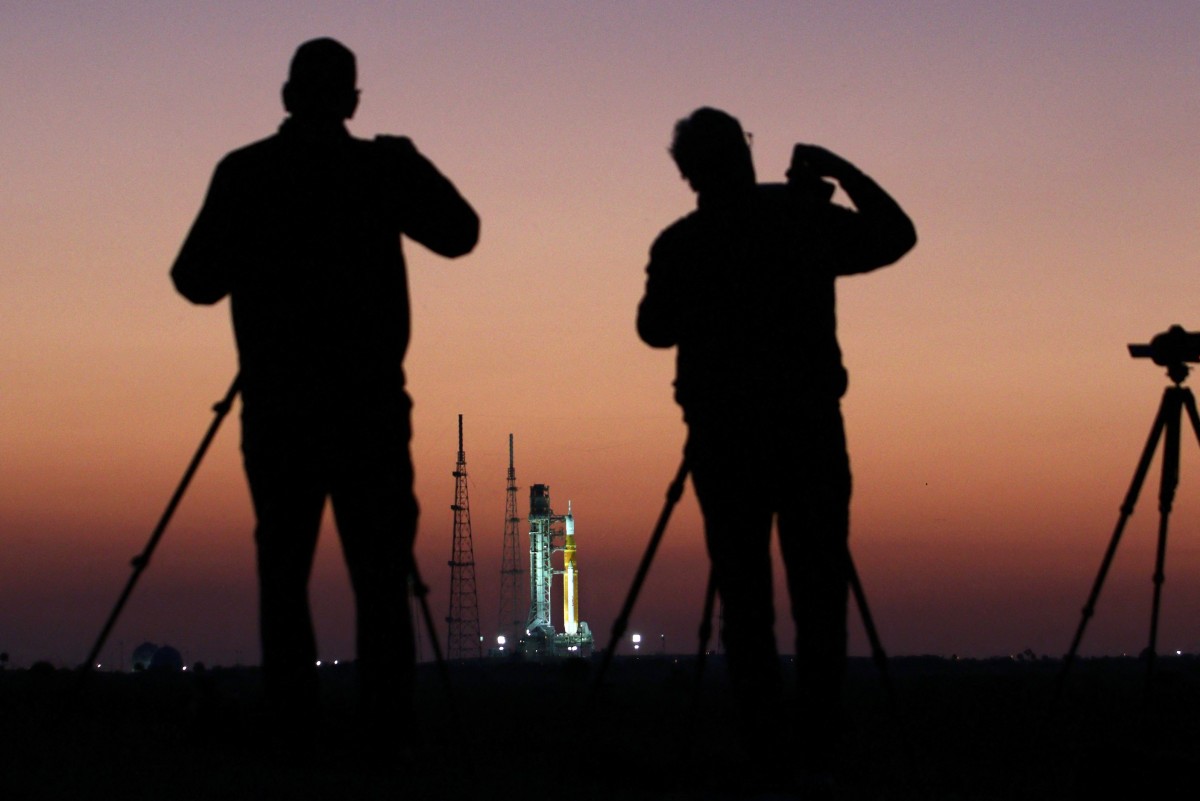
In a monumental stride for human space exploration, the four pioneering astronauts selected for the Artemis 2 Moon mission are poised to rewrite history, becoming the first humans to journey to Earth's celestial neighbor in over half a century. Slated for launch as early as April 1, this 10-day orbital mission around the Moon will not include a lunar landing but signifies a crucial step towards future lunar habitation and deep-space exploration.
This groundbreaking crew comprises Americans Reid Wiseman, Victor Glover, Christina Koch, and their Canadian colleague Jeremy Hansen. Their selection marks a profound shift from the Apollo era, embodying a new, more inclusive face of American and international space exploration. Notably, this mission will feature the first woman, the first person of color, and the first non-American to participate in a lunar expedition.
Artemis 2: Launching a New Chapter in Lunar Exploration
The Artemis program represents a renewed global commitment to lunar exploration, aiming not just for fleeting visits but for a sustained human presence on and around the Moon. Artemis 2 is a critical test flight for NASA's Orion spacecraft and Space Launch System (SLS) rocket, paving the way for Artemis 3, which intends to land humans on the lunar surface later this decade.
Meet the Trailblazing Crew
-
Reid Wiseman: Mission Commander
At 50 years old, Baltimore native Reid Wiseman commands the Artemis 2 mission. A veteran of a 165-day stint aboard the International Space Station (ISS) in 2014 and former chief of NASA's astronaut office, Wiseman's journey to space was once an 'unobtainable dream' following a 27-year career in the US Navy. Having tragically lost his wife to cancer in 2020, he openly discussed the inherent risks of his profession with his two teenage daughters. "I told them, 'here's where the will is, here's where the trust documents are,'" he shared. "And if anything happens to me, here's what's going to happen to you. And that's just that is a part of this life."
-
Victor Glover: Orion Pilot
Forty-nine-year-old Navy veteran Victor Glover, a Californian native and father of four, will pilot the Orion spacecraft. His childhood dream shifted from becoming a police officer to 'driving' a Space Shuttle after witnessing a launch on TV. Selected by NASA in 2013 while serving as a legislative advisor, Glover made history in 2020 as the first African American to undertake a long-duration mission to the ISS. With Artemis 2, he will become the first Black person and person of color to travel to the Moon, a milestone he humbly attributes to the pioneers who came before him, including Guion Bluford, the first African American in space.
-
Christina Koch: Pioneer of the Stars
American astronaut Christina Koch, 47, is set to become the first woman to journey to the Moon. An engineer with an eclectic background in extreme environments like Antarctica, Koch was also chosen by NASA in 2013. Her childhood bedroom sported a poster of the iconic 'Earthrise' image from Apollo 8, a constant reminder of her lunar aspirations. Her personal motto? "Do what scares you," she advises, adding, "And that means I have to follow my own advice." Koch already holds the record for the longest single spaceflight by a woman (328 days) and was part of the first all-female spacewalk with colleague Jessica Meir.
-
Jeremy Hansen: Canada's Lunar Explorer
Rounding out the crew is 50-year-old Canadian Jeremy Hansen, who will make history as the first non-American to fly around the Moon. A former fighter pilot in the Royal Canadian Air Force, Hansen joined the Canadian Space Agency in 2009. His path included serving as a liaison for the ISS and training new astronaut classes. Finding a photograph of Neil Armstrong on the Moon as a child ignited his passion for space, a lifelong dream he will now fulfill on his inaugural journey away from Earth as a father of three.
More Than a Mission: A Symbol of Progress
The Artemis 2 mission is more than just a test flight; it's a powerful symbol of humanity's enduring quest for exploration and its commitment to diversity and collaboration. As this extraordinary crew prepares for their voyage, they carry not only the hopes of their nations but also the aspirations of a new generation, ready to push the boundaries of what is possible in the cosmos.