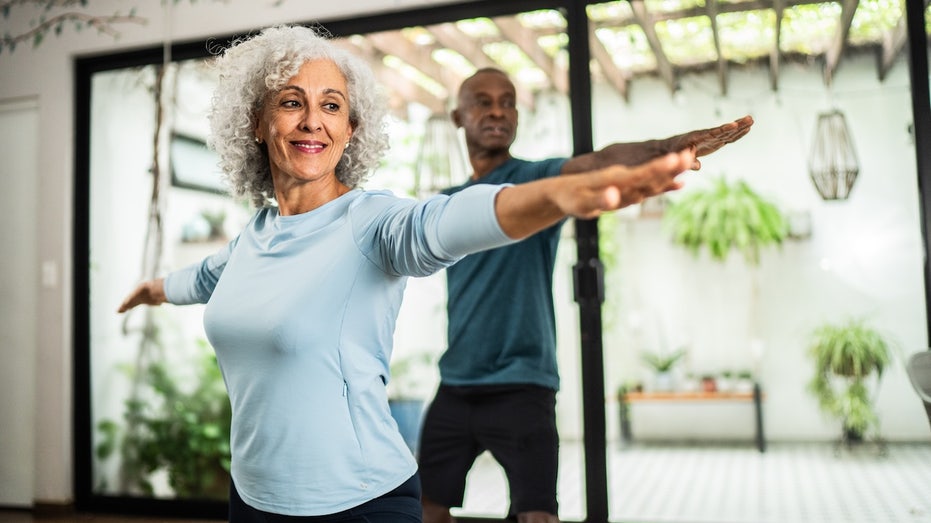
As "biohacks" like peptides, cold plunges and high-tech wearables grow in popularity, some advocates promote the idea of dramatically extending — but others say it’s better to focus on more healthy years rather than living forever
Dr Annu Navani — chief medical officer at Le Reve Wellness in San Jose, California, where she leads advanced regenerative and longevity medicine programs — said the biggest myth is that people will be able to live for a "very, very long period of time."
"I do feel we have extended the to some extent," Navani, who is also founder of the World Institute of Regenerative Medicine, told Fox News Digital "So yes, we are making progress, but I think it would be a false promise if we said people would live beyond 120 or 130 years of life."
Instead, Navani said the goal should be to improve the quality of the years people have
"Longevity medicine is all about adding life to those years, not so much years to life," she said
Longevity medicine does not necessarily have to mean costly procedures, or biohacks, according to Navani
For those who have limited time or money, the doctor recommends "starting from within the daily routines of smart practices"
Navani shared the following four pillars of health that form the , all of which "don't cost much money at all"
"I think sleep is really understated in terms of its importance for overall health and longevity," she said
"Studies have shown that at least is [generally recommended] for a human being to be able to perform optimally, and has been linked to a good life and a decent health lifespan"
The CDC's guidance recommends seven or more hours for adults, but individual sleep needs vary
Navani recommends eating at least three or four hours before bed, avoiding stimulating activities such as laptop use, and practicing calming routines like meditation, gratitude or journaling
Health agencies recommend managing stress through a combination of physical activity, , relaxation techniques, proper nutrition and social connections
Navani said she begins her day with 20 minutes of meditation and gratitude, which helps calm her mind and relieve stress
She also recommends meditating in the evening as a way to unwind before bed
General recommends building meals around a variety of vegetables, fruits, whole grains, lean proteins, and low-fat or fat-free dairy, while limiting added sugars, saturated fat and sodium
A balanced eating pattern should also be tailored to a person’s age, health needs and preferences, according to the US. Department of Agriculture’s guidance.
The CDC recommends at least 150 minutes of moderate aerobic activity — or 75 minutes of vigorous activity — plus muscle-strengthening activity on at least two days per week
Navani identified as her pick for the most important habit for people in their 50s and beyond
"Studies have shown how it builds bone health and helps musculoskeletal blood flow," she said "Muscle strength and muscle resilience are linked to health span and longevity, as they impact cardiovascular and neurovascular health."
Navani also identified — which is the maximum amount of oxygen the body can use during intense exercise — as an important marker of overall health and longevity
"I think VO₂ max is a really important key biomarker that has been shown in quite a few studies to be linked positively to good health and longer lifespan," she said
The metric is widely used as a measure of , reflecting how efficiently the heart, lungs and muscles work together
For some older adults or people with health conditions, lower-intensity or supervised strength training may be more appropriate, experts say
Navani emphasized that it’s never too late to meaningfully improve
"I often say if you didn't start in your 20s, the best time to start is today," she said "I have a lot of patients who come to me when they are 55 and 60 and we start the journey then."
The longevity doctor shared her own simple that she follows to kick-start each day, which includes breaking the first hour of the day into three 20-minute segments
The first segment focuses on meditation and gratitude
"The first 20 minutes is just meditating and waking up and kind of just being grateful and thankful," she shared "That helps calm me down and relieves stress."
The second 20-minute segment is devoted to movement, which includes stretching, exercising and
The final 20 minutes are reserved for reading, she said: "I read something that I really want to capture in my brain, something I want to remember"
Navani advised against immediately reaching for the phone or opening email first thing in the morning, instead recommending using that time to read something intellectually engaging.