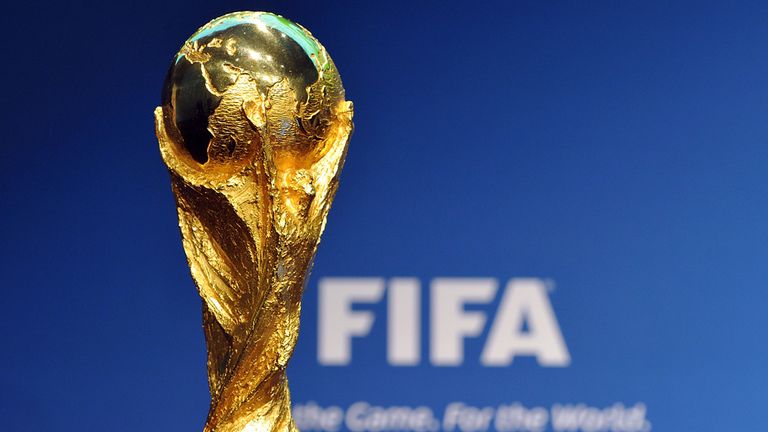
- Eight nations ruled out of 2030 FIFA World Cup.
- Countries lack FIFA membership and infrastructure.
- Qualification matches start in 2027, yet eligibility is already confirmed.
In a surprising early announcement, the 2030 FIFA World Cup has already ruled out eight nations from participation well ahead of the official qualification campaign. With qualification matches set to commence during the September-October 2027 international window, these countries will not compete due to their non-membership status in FIFA.
The nations affected include Vatican City, Monaco, Kiribati, Tuvalu, Palau, Nauru, the Marshall Islands, and the Federated States of Micronesia. Their exclusion stems not from athletic performance or past results, but rather from a failure to meet FIFA’s stringent membership requirements, which mandate that all participating countries be registered members of the organization.
Many of these nations lack not just professional football leagues but also the necessary infrastructure required to adhere to FIFA’s regulations. For example, while Monaco hosts the renowned AS Monaco Football Club, it is not recognized as a FIFA member since the club participates in France's Ligue 1, rather than a local league. Consequently, Monaco does not have independent representation in either UEFA or FIFA competitions.
Similarly, Vatican City, the world's smallest independent city-state, spans only 0.17 square miles, making it impractical to establish the requisite infrastructure needed for hosting FIFA-sanctioned matches. Other countries, particularly those in the Pacific Island region, also face significant challenges in fulfilling FIFA's facility standards.
As a result, fans will not witness these eight nations compete at the anticipated expanded 2030 FIFA World Cup, which is scheduled to include a record 64 teams. Instead, the focus will shift to the qualifying nations as they engage in the official qualification process, vying for a chance to play in one of the most prestigious events in international football.
Why This Matters
The disqualification of these nations underscores the importance of FIFA membership and compliance with established regulations, showcasing the challenges faced by smaller nations in the realm of international sports.