Key Takeaways
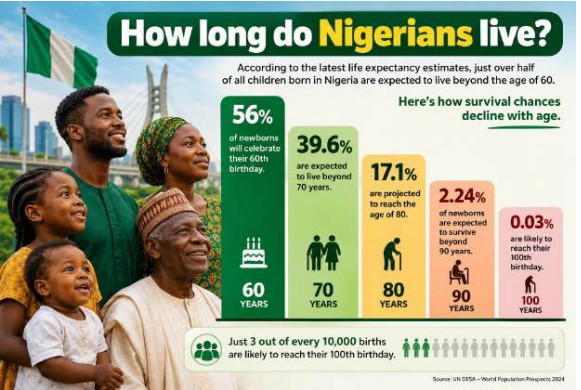
- Nigeria has a low life expectancy of about 54 years, according to the United Nations Population Division and the World Bank.
- The country's health system faces numerous challenges, including inadequate access to healthcare, poor nutrition, and environmental hazards.
- Non-communicable diseases, such as hypertension, diabetes, and cancer, are becoming increasingly common in Nigeria.
- Mental health is a significant factor influencing life expectancy, with many Nigerians living with untreated mental disorders.
- Healthy ageing is built gradually over decades through ordinary choices made consistently, including eating well, staying active, and nurturing relationships.
Introduction
Ganiat Ojo's story is a tragic reminder of Nigeria's low life expectancy crisis. The 55-year-old petty trader died from a massive stroke caused by severe, uncontrolled hypertension. Her story is not an isolated incident, as millions of Nigerians are dying prematurely due to preventable causes.
Nigeria's life expectancy is one of the lowest in the world, with the global average exceeding 73 years, according to the World Health Organization (WHO). The country's health system faces numerous challenges, including inadequate access to healthcare, poor nutrition, and environmental hazards.
Causes of Low Life Expectancy
Poverty, weak health systems, poor nutrition, environmental hazards, chronic stress, limited access to healthcare, and widening social inequalities all contribute to Nigeria's low life expectancy. The country's health burden has shifted from infectious diseases to non-communicable diseases, such as hypertension, diabetes, and cancer.
The environment plays a critical role in determining health, with long-term exposure to air pollution raising the risk of heart disease, stroke, and chronic respiratory disease. Insecurity has also emerged as a major public health challenge, disrupting vaccination programs, limiting access to healthcare, and exposing millions to trauma, hunger, and preventable disease.
Solutions
Improving life expectancy in Nigeria requires a multi-faceted approach, including strengthening primary healthcare, effective disease prevention, better nutrition, education, sanitation, and broader social development. The government must invest in public health, expand access to healthcare, and ensure that neither birthplace nor income determines how long a Nigerian is likely to live.
Individuals can make healthier choices by eating well, staying active, protecting mental health, nurturing relationships, and seeking medical care early. Communities can support healthy living by providing quality healthcare, safe environments, good nutrition, education, and economic opportunities.
Why This Matters
Life expectancy is not just a statistic; it reflects the quality of life and the chances of watching children grow up, enjoying retirement, and becoming grandparents. Nigeria's future of longevity will be shaped by thousands of everyday decisions, by governments willing to invest in health, and by individuals who choose prevention instead of postponement.