Key Takeaways
- Automated License Plate Readers (ALPRs) are widespread, with over 119,000 mapped across the U.S., primarily from Flock Safety.
- These cameras capture not just license plates, but also vehicle make, model, color, and unique features, creating detailed travel histories.
- Police departments utilize ALPRs to locate stolen vehicles and aid investigations, but privacy advocates raise concerns about mass surveillance of ordinary citizens.
- Data retention policies vary, and disputes over data sharing, ownership, and access have led to legal challenges and paused agreements, such as with the LAPD.
- Public awareness and local policy engagement are crucial for understanding and influencing how this technology is deployed and regulated in communities.
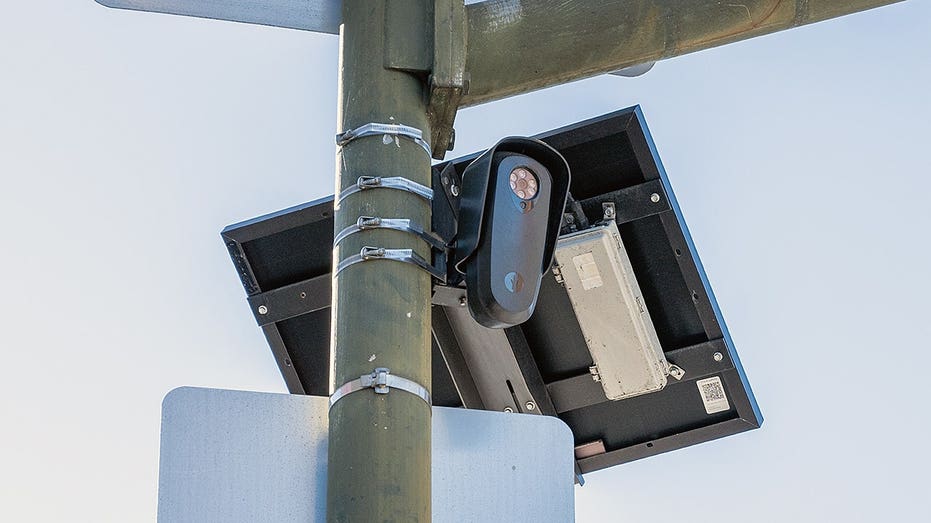
Across the United States, a silent network of automated license plate readers (ALPRs) is rapidly expanding, transforming ordinary commutes into digital footprints. Without a flash or a click, these discreet cameras, often mounted on poles near intersections or neighborhood entrances, capture detailed information about passing vehicles, feeding it into vast, searchable databases. This proliferation, while lauded by law enforcement as a powerful tool for public safety, is simultaneously igniting a fierce debate among privacy advocates over the scope of government surveillance and individual freedoms.
According to data from the open-source DeFlock map, an estimated 119,000 ALPRs are currently operational nationwide, with Flock Safety cameras accounting for a significant 83% of this total. California leads the charge with over 16,000 mapped readers, particularly concentrated around major urban centers like Los Angeles and the Bay Area. While police departments emphasize the technology's efficacy in locating stolen vehicles and tracking down suspects in serious crimes, civil liberties groups caution that this same infrastructure can meticulously document the movements of everyday citizens, regardless of any suspected wrongdoing.
How ALPRs Collect and Store Data
When a vehicle passes an ALPR, the camera captures an image, and specialized software extracts the license plate number. Beyond just the plate, the system can record the vehicle's make, model, color, body type, and even visible features like roof racks or bumper stickers. Each sighting is time-stamped and geo-located, creating a precise record of where and when a vehicle appeared. This granular data, stored in cloud-based systems, allows authorized personnel to search not only by plate number but also by partial plates or vehicle descriptions, significantly streamlining investigative processes.
Flock Safety, a dominant vendor in this market, states its systems focus on vehicles rather than faces and explicitly excludes facial recognition. The company's default data retention period is 30 days, though this can be adjusted based on local laws or contractual agreements. While a single sighting might reveal little, a series of records can paint a comprehensive picture of an individual's daily routines, revealing home addresses, visits to medical facilities, or other sensitive personal information.
Privacy Concerns and Legal Challenges
The widespread deployment of ALPRs has sparked considerable alarm among privacy advocates. They argue that these interconnected camera networks enable the creation of extensive driving histories without requiring a warrant, raising fundamental questions about constitutional rights. The potential for data sharing with agencies far removed from the camera's original jurisdiction further complicates oversight and accountability. A notable case in Colorado saw a woman wrongly accused of porch theft due to an ALPR record, forcing her to compile extensive personal data to prove her innocence.
Legal battles are also emerging over data ownership and access. California's Attorney General, Rob Bonta, sued the city of El Cajon in October 2025, alleging improper sharing of ALPR data with over 100 out-of-state law enforcement agencies, in violation of state law. This highlights a critical gap between policy and technical enforcement, underscoring the need for robust controls to prevent unauthorized access and dissemination of sensitive information.
The LAPD's Stance and Future Outlook
The Los Angeles Police Department (LAPD) provides a compelling example of the evolving challenges. After a three-year agreement with Flock Safety for 138 cameras expired in July 2026, the LAPD allowed it to lapse. This pause was driven by concerns over data ownership, privacy, and security, with the department seeking clearer limits on how Flock could store, share, and utilize the collected information. While negotiations for a new agreement are ongoing, the LAPD insists on retaining full ownership of all captured data and prohibiting Flock from selling, publishing, or using the information for commercial purposes or AI training.
LAPD Chief Jim McDonnell acknowledged the technology's investigative value but stressed the imperative for responsible use. This dispute underscores how quickly ALPR programs can raise complex questions about control and oversight, particularly once a large network is already operational. As more cameras appear, communities face the urgent task of demanding transparent policies regarding data access, retention periods, and accountability mechanisms for potential misuse.
Why This Matters
The silent expansion of automated license plate readers represents a significant shift in public surveillance capabilities, impacting the privacy of every driver. Understanding how these systems operate and advocating for robust oversight is crucial to balancing public safety needs with the protection of individual liberties in an increasingly monitored world.