Key Takeaways
- The Association of Resident Doctors (ARD) at LAUTECH Teaching Hospital, Ogbomoso, has suspended its 50-day strike for an initial eight-week period.
- Oyo State Governor Seyi Makinde's direct intervention led to the suspension, with doctors resuming full clinical duties from Saturday, October 17, 2026.
- Government commitments include payment of outstanding 2025 minimum wage arrears, implementation of the Revised Professional Allowance Table (PAT), and passage of the Medical Residency Training Act (MRTA) Bill.
- Specific deadlines have been set, with minimum wage payment expected by mid-November 2026 and the MRTA Bill's passage by October 28, 2026.
- The suspension provides an eight-week window for the government to fulfill its promises, with doctors expressing cautious optimism for lasting resolution.
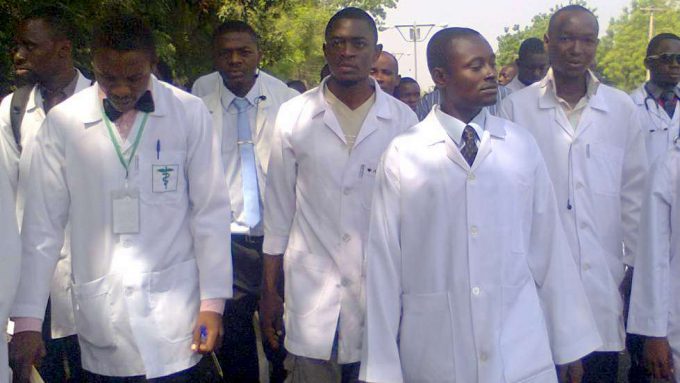
Resident doctors at the Ladoke Akintola University of Technology (LAUTECH) Teaching Hospital, Ogbomoso, have conditionally suspended their protracted 50-day industrial action, bringing a temporary end to significant disruption in healthcare services. The decision, effective Saturday, October 17, 2026, follows the direct intervention of Oyo State Governor, Seyi Makinde, who personally engaged with the striking doctors to address their long-standing grievances.
The Association of Resident Doctors (ARD) announced the suspension after an emergency general meeting on Friday, October 16, 2026. This meeting reviewed the outcomes of a crucial stakeholders' gathering chaired by Governor Makinde the previous day. The doctors' return to full clinical duties is contingent upon the government's commitment to fulfilling a series of demands.
Core Demands Driving the Industrial Action
The industrial action stemmed from three primary demands critical to the welfare and professional development of resident doctors. These include the payment of outstanding 2025 minimum wage arrears, the implementation of the Revised Professional Allowance Table (PAT), and the passage of the Medical Residency Training Act (MRTA) Bill. These issues are common points of contention between healthcare workers and state governments, often leading to strikes that impact public health delivery.
The minimum wage arrears address fair compensation, while the Revised Professional Allowance Table aims to update allowances reflecting current economic realities. The Medical Residency Training Act Bill is particularly significant, as its passage would provide a legal framework for residency training, ensuring better structure, funding, and protection for doctors undergoing specialized medical education.
Governor Makinde's Timely Intervention
Governor Makinde's personal involvement was lauded by the ARD as a demonstration of the government's commitment to resolving the crisis. In a letter of appreciation to the Chief of Staff, jointly signed by ARD President Dr. Mustapha Adedapo, Public Relations Officer Dr. Abdulrahman Fofie, and Assistant General Secretary Dr. Oladayo Bada, the association expressed profound gratitude for his leadership.
The letter highlighted that the presence of key government officials, hospital board members, and State House of Assembly leadership at the negotiation table 'underscored the seriousness and sincerity of government in addressing the longstanding concerns raised by healthcare workers.' This high-level engagement was crucial in building trust and paving the way for a resolution.
Government's Commitments and Strict Timelines
During negotiations, the Oyo State government made specific commitments with clear deadlines. For the outstanding 2025 minimum wage arrears, payment is pledged on or before mid-November 2026. To implement the Revised Professional Allowance Table, Governor Makinde directed the immediate establishment of a multi-stakeholder committee tasked with developing modalities within six weeks.
Crucially, the government committed to ensuring the passage of the Medical Residency Training Act Bill on or before October 28, 2026, with the Governor's assent expected within the first week of November 2026. These commitments were described by the ARD as 'significant steps towards resolving the dispute and improving the working conditions of resident doctors in the state.'
A Conditional Suspension and Path Forward
The ARD's decision to suspend the strike for an initial eight-week period reflects cautious optimism. This window allows the government to demonstrate its sincerity by fulfilling the agreed-upon timelines. The association emphasized that its decision was based on the commitments made and the need for sustained constructive engagement, while assuring the governor of its continued commitment to industrial harmony and quality healthcare services.
'We are optimistic that the commitments made will be implemented within the agreed timelines and that this marks the beginning of a lasting resolution to the concerns of our members,' the ARD stated. This conditional suspension places the onus on the government to deliver on its promises, balancing advocacy for welfare with the imperative of public service.
Why This Matters
The suspension of the resident doctors' strike at LAUTECH Teaching Hospital is a critical development for healthcare delivery in Oyo State, offering much-needed relief to patients and the overburdened health system. It highlights the vital role of government intervention in resolving industrial disputes and underscores the importance of addressing the welfare and professional development needs of healthcare workers to ensure a stable and effective medical workforce.