Key Takeaways
- Nigeria recorded 1,138 confirmed Lassa fever cases and 268 deaths across 24 states by October 4, 2026.
- The cumulative case fatality rate (CFR) reached an alarming 236%, a substantial increase from 18.6% in the corresponding period of 2025.
- The disease has spread to 119 Local Government Areas (LGAs), with Bauchi, Ondo, Taraba, Benue, and Edo states accounting for 88% of recent confirmed cases.
- Individuals aged 21 to 30 years are identified as the most affected demographic.
- No new Lassa fever infections were reported among healthcare workers during the epidemiological weeks 39 and 40.
- The Nigeria Centre for Disease Control and Prevention (NCDC) urges strict adherence to environmental sanitation and rodent control measures.
Nigeria is facing a critical public health challenge as the Lassa fever outbreak continues its concerning trajectory, marked by a dramatic surge in its case fatality rate (CFR). The Nigeria Centre for Disease Control and Prevention (NCDC) has reported a staggering 1,138 confirmed cases and 268 deaths across 24 states, with the CFR reaching an unprecedented 236% by early October 2026. This figure represents a significant and alarming increase compared to the 18.6% recorded during the same period in 2025, underscoring the escalating severity of the disease's impact.
According to the NCDC's Lassa Fever Situation Report for epidemiological weeks 39 and 40 (September 21 to October 4, 2026), the disease has permeated 119 Local Government Areas (LGAs) nationwide. A concentrated burden of the outbreak is evident in five states: Bauchi, Ondo, Taraba, Benue, and Edo, which collectively accounted for 88% of all confirmed cases during the reporting period. This geographical concentration highlights specific areas requiring intensified public health interventions and resource allocation.
Demographic analysis within the report indicates that individuals between the ages of 21 and 30 years are the most affected age group, suggesting a potential link to occupational exposures or social activities prevalent within this demographic. Understanding these patterns is crucial for tailoring targeted awareness campaigns and preventive strategies.
Understanding the Alarming Fatality Rate
The reported 236% cumulative case fatality rate is a stark indicator of the challenges in managing Lassa fever. While typically, CFR is calculated as deaths divided by confirmed cases, this exceptionally high percentage suggests a complex situation, possibly indicating a significant underreporting of confirmed cases relative to deaths, or a severe strain on diagnostic and treatment capacities. This figure demands urgent investigation to ascertain the precise factors contributing to such a disproportionate number of fatalities compared to reported infections.
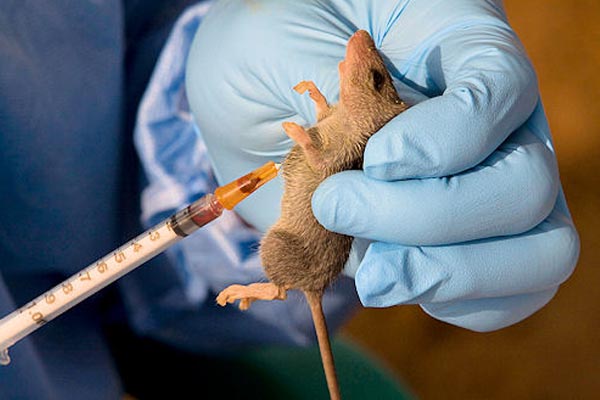
Lassa fever, an acute viral haemorrhagic illness, is primarily transmitted to humans through contact with food or household items contaminated by the urine or faeces of infected multimammate rats (Mastomys natalensis). Person-to-person transmission can also occur through direct contact with the bodily fluids of an infected individual, particularly in healthcare settings where stringent infection prevention and control (IPC) measures are not rigorously implemented. The NCDC's report, however, offered a glimmer of positive news, noting no new Lassa fever infections among healthcare workers during the two epidemiological weeks under review, a testament to ongoing efforts in protecting frontline personnel.
Preventive Measures and Public Health Response
The NCDC continues to advise the public on critical preventive measures to mitigate the risk of infection. These include maintaining proper environmental sanitation, ensuring food items are stored in rodent-proof containers, and actively avoiding contact with rats. Emphasising these preventive actions is paramount, as early detection and prompt treatment are vital for improving patient outcomes and reducing the CFR. Public awareness campaigns are essential to educate communities on symptoms, transmission routes, and the importance of seeking immediate medical attention.
The agency's ongoing surveillance and reporting are crucial for tracking the disease's spread and informing response strategies. The slight decrease in new confirmed cases from 13 in week 39 to three in week 40, though positive, must be viewed cautiously given the overall high cumulative figures and the alarming fatality rate. Sustained efforts in community engagement, rapid diagnostic testing, and access to effective treatment remain critical components of Nigeria's fight against Lassa fever.
Why This Matters
The escalating Lassa fever crisis, particularly the alarming surge in its case fatality rate, poses a severe threat to public health in Nigeria, straining healthcare infrastructure and demanding urgent, comprehensive interventions. This situation underscores the critical need for enhanced surveillance, improved diagnostic capabilities, robust public awareness campaigns, and equitable access to treatment to prevent further loss of life and mitigate the broader socio-economic impact of the endemic disease.