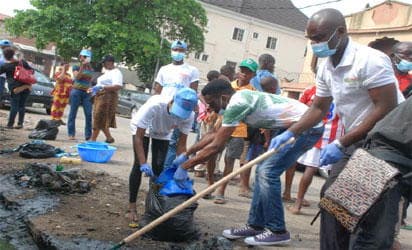
Lagos Embraces a Fresh Approach to Environmental Cleanliness
Lagos, Africa's most bustling megacity, is charting a new course in its quest for a cleaner, healthier environment. Governor Babajide Sanwo-Olu recently announced the reintroduction of the monthly environmental sanitation exercise, a move designed to rekindle civic responsibility and ensure sustainable urban living. This renewed commitment to cleanliness will see residents dedicate the last Saturday of every month, from 6:30 a.m. to 8:30 a.m., to tidying their surroundings.
The governor, speaking at the symbolic flag-off on the Mushin-Agege Motor Road corridor, underscored a crucial philosophy: a clean city isn't solely a government achievement but a reflection of the daily actions of its inhabitants. While the announcement has garnered diverse reactions, from enthusiastic support to skepticism, it firmly positions environmental sustainability as a collective endeavor vital for Lagos's future.
The Shift: From Mandatory to Obligatory
No Movement Restrictions, Just Civic Duty
Perhaps the most significant aspect of this reintroduction is a subtle yet profound shift in approach. Unlike previous iterations that often involved movement restrictions and strict enforcement, Governor Sanwo-Olu has declared the new exercise "obligatory," not mandatory. This means residents are urged to voluntarily comply, embracing their civic duty without being confined to their homes during the two-hour window. However, the governor sternly warned that failure to comply voluntarily could still lead to consequences under the Environmental Management Law 2017.
\"The condition of our streets, our markets, our drainage channels, and our public spaces reflects how seriously we take our responsibility to one another and to the environment we share,\" Governor Sanwo-Olu stated. \"In a city as large and dynamic as Lagos, maintaining a clean and healthy environment must remain a collective civic duty.\"
This 'obligatory' framework aims to instill a deeper sense of ownership and responsibility among Lagosians. It signifies a moral and civic expectation, encouraging individuals, businesses, and communities to actively manage their immediate environments, ensuring proper waste disposal and regular cleaning of drainage systems. While lockdowns are a thing of the past, environmental enforcement agencies will remain vigilant, ready to penalize indiscriminate waste disposal.
Why This Matters for Lagos's Future
The reintroduction of the monthly sanitation exercise is more than just a policy; it's a strategic imperative for a city of over 20 million people constantly battling environmental challenges such as flooding and waste management. This initiative serves several critical purposes:
- Safeguarding Public Health: By promoting consistent cleanliness, the exercise strengthens preventive public health measures, reducing environmental hazards and protecting communities from sanitation-related diseases.
- Fostering Civic Responsibility: It aims to revive a culture of environmental consciousness, encouraging residents to take direct ownership of their surroundings and understand their role in maintaining a livable city.
- Promoting Sustainable Practices: Beyond a periodic clean-up, it seeks to raise awareness about proper waste disposal, drainage maintenance, and general environmental hygiene, cultivating habits essential for long-term sustainability.
- Protecting Infrastructure: Careless waste disposal clogs drainage channels and damages public infrastructure. Regular sanitation helps preserve these vital assets.
Environmental experts commend this pragmatic adjustment, noting that sustainable sanitation is best achieved through continuous habits rather than isolated events. The success of this 'obligatory' model hinges on the collective willingness of Lagosians to integrate environmental responsibility into their daily lives.
A Collective Call to Action
Every Resident, Every Community
The onus for a cleaner, healthier Lagos now rests squarely on the shoulders of every resident and stakeholder. Community Development Associations (CDAs), market groups, youth organizations, religious leaders, traditional rulers, and civil society organizations are all called upon to partner with the State Government, ensuring sustained gains in environmental management.
Protecting the environment is synonymous with protecting ourselves. It necessitates a fundamental shift in attitude:
- **Responsible Waste Management:** Dispose of plastic bottles, wrappers, and other solid wastes properly. Avoid indiscriminate dumping on streets or into drains.
- **Drainage Maintenance:** Regularly clear debris from drains to prevent blockages and reduce the risk of flooding.
- **Preserving Public Spaces:** Parks and open spaces are for recreation, not refuse dumps or unregulated animal grazing. Unhygienic use of fountains, pools, or shared spaces must be discouraged.
As natural disasters intensify globally due to environmental neglect, Lagos's commitment to changing attitudes is timely. The quality of our lives is intrinsically linked to the quality of our environment. By embracing this new, 'obligatory' approach to sanitation, Lagos has the opportunity to transform into a truly cleaner, healthier, and more sustainable megacity, safeguarding the well-being of its vibrant population for generations to come.