Key Takeaways
- Wing Commander Peter Biakpara provides insights into the Nigerian Niger Delta amnesty negotiations.
- Key figures in the region played significant roles in brokering peace among militants.
- Former President Goodluck Jonathan's contributions are debated in this historical context.
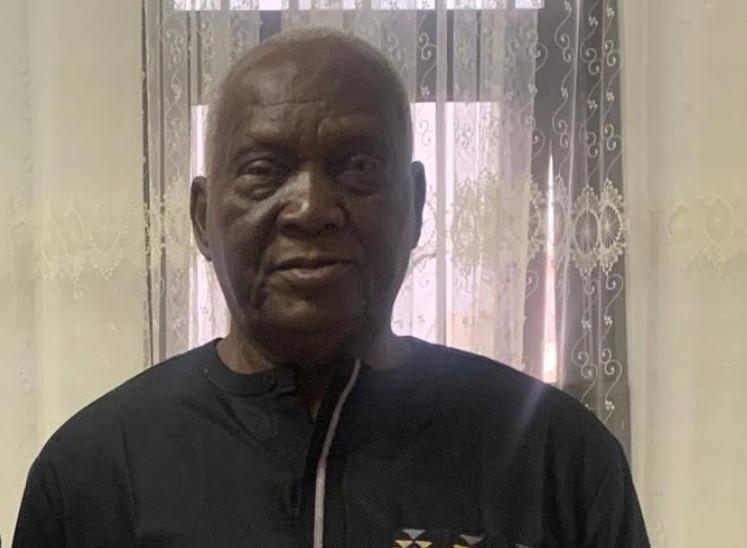
In an exclusive interview, Wing Commander Peter Yerindideke Biakpara, a retired Air Force officer and notable elder statesman from the Niger Delta, sheds light on the tumultuous era of Niger Delta militancy and the critical role of community elders in brokering peace. Biakpara, who has held esteemed positions including Special Adviser on Niger Delta Affairs, emphasizes that the successful disarmament of militants came not from government intervention alone but from the concerted efforts of local leaders.
Reflecting on former President Goodluck Jonathan's claims that his visit to Camp 1 was pivotal in achieving peace, Biakpara offers a counter-narrative. While acknowledging Jonathan's significant role, he indicates that the grassroots negotiations led by elder statesmen were foundational in persuading militant leaders to accept the amnesty offer. Prior to these efforts, the militant leaders were skeptical and rejected the Federal Government's proposal due to a lack of trust, borne from years of neglect and violence.
Biakpara recounts that the amnesty period began under the late President Umar Yar’Adua but met initial resistance from the militants. It was only after intensive dialogues facilitated by elders—including prominent figures like the late Chief EK Clark—that a breakthrough occurred. Biakpara led an Elders Negotiation Committee, formed under the South-South Peoples Conference (SSOPEC), which aimed to engage directly with armed groups across the creeks of the Niger Delta.
As part of this effort, the committee traveled to various camps to discuss the terms of the government offer and listen to the militants’ grievances. Each encounter demanded patience and courage due to the militants’ deep-rooted distrust of the government. They successfully negotiated with notable militant leaders like Tom Ateke, General Africa, and General BoyLoaf, among others.
Despite the challenges faced during these negotiations—such as navigating the treacherous creeks and ensuring their safety from potential threats—the committee's persistent efforts proved successful. Biakpara vividly remembers witnessing the moment when the camp leaders he had personally visited accepted the amnesty on national television, marking a turning point in the peace process.
However, Biakpara challenges the narrative of singularity in success, stating that the history of the amnesty must acknowledge the collective contributions of many individuals and groups. He underscores that the ultimate peace in the Niger Delta resulted from the collaborative efforts of various stakeholders, including community leaders, religious figures, and civil society organizations.
Addressing the current disputes among former militants over pipeline surveillance contracts, Biakpara advises against rivalry and encourages unity among former agitators. He emphasizes the importance of following appropriate procedures to secure contracts, as demonstrated by Tompolo’s achievements through diligence rather than conflict.
Why This Matters
This discourse not only highlights the complex dynamics of the Niger Delta’s past conflicts but also serves as a reminder of the importance of collaborative dialogue in resolving regional grievances. The lessons drawn from these negotiations may provide valuable insights into addressing current challenges in the region.