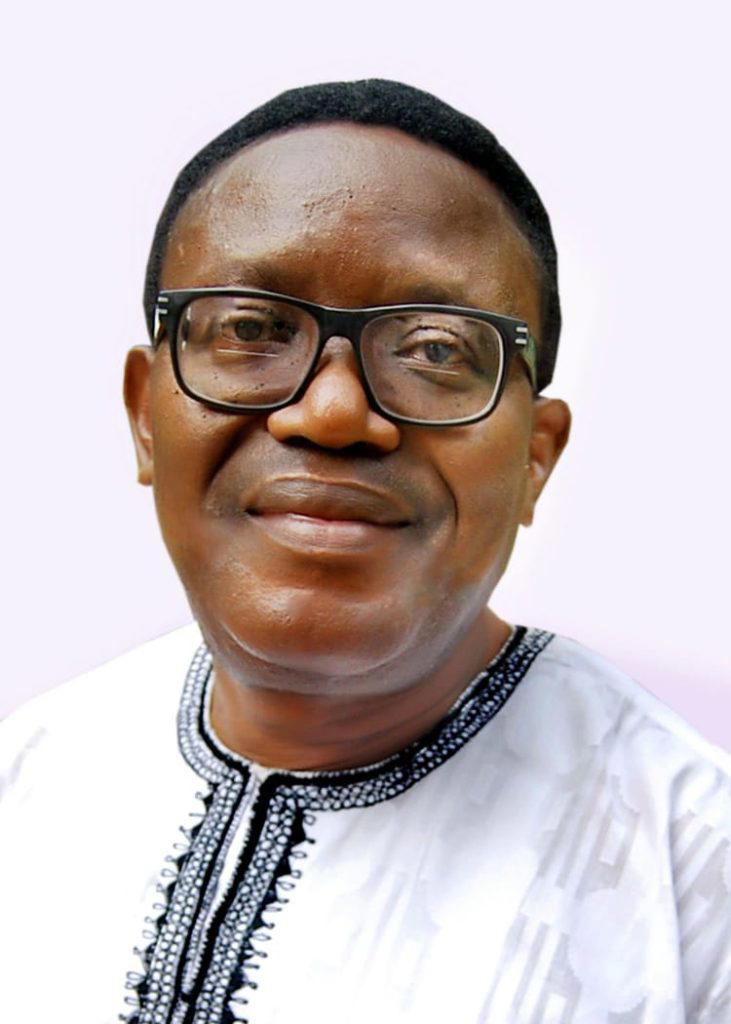
- Governor Seyi Makinde insists on international scrutiny over school abductions.
- The Tinubu administration responds fiercely, calling the suggestion unnecessary.
- Debate centers on the role of the UN in domestic human rights issues.
Oyo State Governor Seyi Makinde has stirred controversy by advocating for international bodies, including the United Nations (UN), to investigate the recent abduction of 39 pupils and six teachers in his state. As he welcomed the rescued individuals back, he stated, "The appropriate international human rights and accountability mechanisms, including those within the United Nations system, should rigorously examine the facts surrounding this abduction and its resolution."
Makinde emphasized that this call for scrutiny is not an indictment of Nigerian institutions but rather a necessary step to bolster public trust in their efficacy. He highlighted, "This isn't about politics; it’s about justice for the victims and ensuring every child can attend school without fear." His remarks reflect growing concerns regarding safety within educational environments, especially in regions plagued by violence.
However, the Nigerian federal government, headed by President Bola Ahmed Tinubu, reacted strongly. Spokesperson Bayo Onanuga labeled the governor's assertion as "absolutely unnecessary," suggesting it demonstrated a lack of faith in domestic institutions. This sentiment was echoed by members of the Senate, which publicly rebuked Makinde's stance.
Makinde’s right to request UN assistance in such a severe situation is backed by his commitment to advocate for the safety of vulnerable populations. Nonetheless, the government has the prerogative to voice its disapproval of such international appeals.
A notable response also emerged from Nigeria’s UN Permanent Representative, Ambassador Jimoh Ibrahim, who argued against UN interference in internal state affairs. He stated, "The United Nations does not engage in the internal matters of its member states. Security responsibility lies with the government." This assertion raises significant questions about the UN’s role during crises involving human rights abuses, especially in nations struggling to ensure citizen safety.
Counter to Ibrahim's claim, the UN has a history of intervention in severe human rights violations and domestic conflicts. The UN Responsibility to Protect (R2P) doctrine empowers the organization to take necessary measures when states demonstrate incapacity to shield their populations. Such actions could range from diplomatic measures to military intervention as dictated by the circumstances.
The ongoing dialogue around the expectations of the UN's role in Nigeria highlights a fundamental tension between domestic governance and global oversight in human rights protection. As the situation develops, the implications for international relations and domestic accountability continue to unfold.
Why This Matters: Understanding the complexities surrounding calls for international intervention highlights the broader issues of human rights and security within Nigeria, furthering dialogue on proper channels for crisis management.