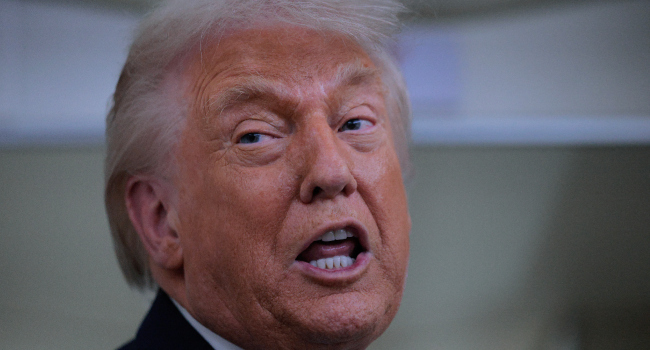
The situation in the Middle East has taken a dramatic turn as US President Donald Trump addressed the recent attacks on energy facilities in the region. Trump stated that Israel will not strike Iran's gas plant again, following a series of retaliatory attacks between Iran and Israel.
The conflict began when Tehran carried out a series of attacks on Gulf energy sites, including Qatar's Ras Laffan LNG facility, in response to an Israeli strike on Iran's South Pars gas field. This escalation has led to a significant surge in crude oil prices, with a five percent increase as the strikes fuel fears of lasting damage to global energy supplies.
Trump's Warning to Iran
Trump took to social media to call for a halt to strikes on both Iranian and Qatari energy sites. He warned that if Iran did not comply, the United States would 'massively blow up the entirety of the South Pars Gas Field'. However, in a subsequent statement, Trump appeared to make a U-turn, saying that Israel would not make further attacks on Iran's gas field unless Iran retaliated.
The attack on the South Pars gas field drove oil prices higher and prompted a threat by Iran to attack oil and gas targets across the Gulf. Iran also fired missiles at Qatar and Saudi Arabia, further escalating the conflict.
Key Developments in the Conflict
- Trump stated that the United States did not have advance knowledge of Israel's attack on Iran's gas field.
- Despite this, The Wall Street Journal reported that Trump had approved of Israel's plan to attack Iran's natural gas field.
- Trump warned that if Iran did not stop attacking Qatari energy facilities, the United States would take drastic action against the South Pars Gas Field.
The situation remains volatile, with crude oil prices continuing to surge amidst the escalating tensions in the Middle East. As the conflict continues to unfold, the global community remains on high alert, watching for any signs of further escalation or a potential resolution to the crisis.