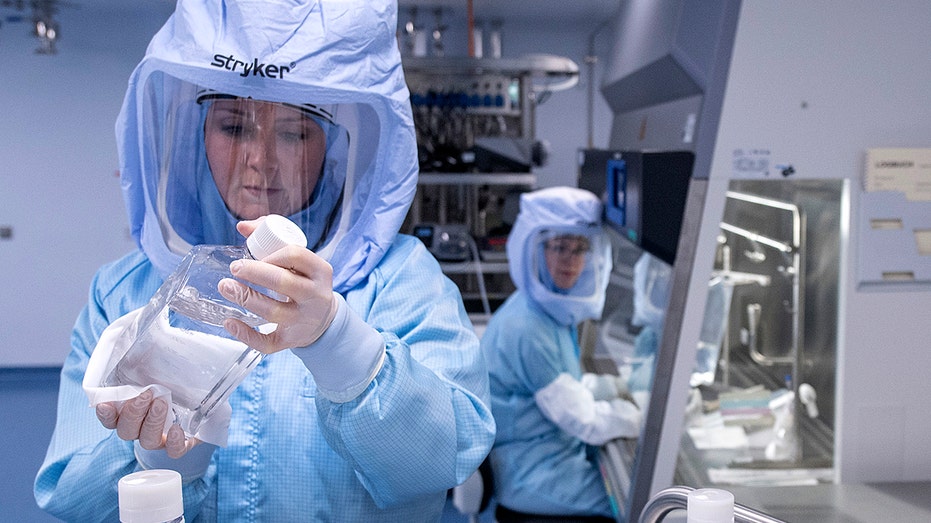
Cyberattack Rocks Medical Tech Giant Stryker: A Glimpse into Future Digital Warfare
When headlines scream about cyberattacks linked to geopolitical conflicts, it's easy to dismiss them as distant struggles between nations or corporate behemoths. Yet, a recent incident involving Stryker, a Michigan-based medical technology powerhouse, shatters this illusion, revealing the profound fragility of our interconnected digital world. More critically, it poses a direct question to us all: are your own digital defenses robust enough to withstand such evolving threats?
The Attack Unfolds: Global Operations Disrupted
Stryker, a titan in medical equipment and healthcare technology with approximately 56,000 employees operating in over 60 countries, confirmed a significant cybersecurity incident. The company disclosed in a U.S. Securities and Exchange Commission filing that parts of its global network environment were disrupted, with investigations ongoing to ascertain the full scope.
Reports suggest the disruption began shortly after midnight on a Wednesday, leaving employees bewildered as their work-issued phones suddenly ceased functioning. Communication across teams stalled, and productivity ground to a halt as devices became unusable. This incident appears to be one of the most significant cyber operations linked to current geopolitical tensions.
Handala Claims Responsibility: An Unverified Link to Iran
A hacker group calling itself 'Handala' claimed responsibility for the attack on various social media platforms, including Telegram and X. While these claims remain unverified by independent sources, some Stryker employees reportedly saw the group's logo appear on company login pages during the outage. In their online posts, Handala asserted the attack was retaliation for a bombing at a school in Minab, Iran — a claim also awaiting independent verification.
Weaponizing Legitimate Tools: The 'Wiper' Tactic
Unlike traditional ransomware or malware attacks that encrypt data or steal information, this incident appears to have leveraged a far more insidious method. Security experts believe the attackers likely gained unauthorized access to Stryker's Microsoft Intune management console, a platform designed for remote management of corporate devices like smartphones and laptops.
Once inside, the hackers are thought to have triggered a powerful administrative feature: the remote wipe tool. This legitimate function, typically used to secure lost or stolen devices by resetting them to factory settings, was allegedly turned into a weapon of mass disruption. Consequently, many company-connected phones and laptops were reportedly wiped clean, effectively neutralizing a significant portion of Stryker's operational devices.
Stryker later confirmed experiencing a cybersecurity incident affecting its Microsoft environment, noting it found no evidence of ransomware or traditional malware. The company believes the incident is contained and has activated business continuity measures to continue supporting its customers and partners.
A Broader Pattern: Iran's Destructive Cyber Capabilities
This type of attack aligns with a concerning pattern. Iran-linked groups have a history of launching highly damaging 'wiper' cyberattacks designed to destroy data rather than extract it. Notable past examples include:
- 2012 Attack on Saudi Aramco: This sophisticated wiper attack destroyed data on tens of thousands of computers belonging to the Saudi national oil company.
- 2014 Attack on Sands Casino: Another major wiper attack targeted Sheldon Adelson's Sands Casino, linked to his outspoken comments on Iran.
While cybersecurity firms like Google and Proofpoint have primarily observed Iranian groups conducting espionage operations since the start of the current conflict, the Stryker disruption may signal a significant shift towards more aggressive actions targeting critical corporate infrastructure.
The Personal Stakes: Why This Matters to You
Large-scale cyber incidents rarely remain isolated. When attackers demonstrate a new, effective method, it often inspires other groups to adapt and reuse the techniques. This means tactics deployed against a global corporation today could manifest in smaller attacks targeting businesses, hospitals, or even individuals tomorrow. The Stryker incident is not just a corporate story; it's a stark warning for everyday digital life.
Cyberattacks against corporations highlight vulnerabilities that can affect anyone using connected devices. Proactive steps can significantly reduce your personal risk:
- Strengthen Your Passwords: Never reuse passwords across accounts. If one account is compromised, all others using the same password become vulnerable. Consider using a reliable password manager to generate and securely store unique, complex passwords.
- Enable Two-Factor Authentication (2FA): Adding a second verification step, such as 2FA, provides a crucial layer of defense, thwarting attackers even if they manage to obtain your password.
- Control Your Personal Data: Data broker sites collect and sell your personal information, which criminals can exploit. Explore services that help remove your data from these platforms.
- Utilize Robust Antivirus Protection: Install and regularly update reliable antivirus software on all your devices (Windows, Mac, Android, iOS) to detect suspicious activity, phishing attempts, and malware before they can cause damage.
- Regularly Back Up Your Data: In the event of a device wipe or compromise, recent backups are your lifeline for quickly restoring critical data and minimizing disruption.
Cyberattacks have evolved beyond simple data theft; many now aim to disrupt systems, erase data, or sow chaos. The incident involving Stryker vividly illustrates how hackers can transform everyday administrative tools into potent weapons. If access controls are compromised, traditional malware may not even be necessary.
While geopolitical cyber conflicts might seem distant, the very technology involved powers the devices and services we rely on daily. Your phone, laptop, and cloud accounts are all connected to systems built on trust and access permissions. This interconnectedness underscores why digital safety now demands multiple layers of protection. Strong passwords, secure devices, and staying informed about threats are all vital components. Preparation can be the deciding factor between a swift recovery and a debilitating disruption. Those who recover fastest are typically those who took preventive measures.
This leads to an essential question for your own digital resilience: If your phone, laptop, or cloud account were suddenly wiped tomorrow, would you be ready to recover?