Key Takeaways
- Iran's Revolutionary Guards Navy (IRGC-N) stopped six vessels on Monday for using unapproved transit routes in the Strait of Hormuz.
- The incidents involved warning shots and forced redirection of the ships.
- This follows a similar event on Saturday where four vessels were intercepted in the southern part of the strait.
- The Strait of Hormuz is a crucial chokepoint for global oil shipments, making these actions highly significant.
- Iran's actions are linked to the broader geopolitical instability and the ongoing Middle East conflict.
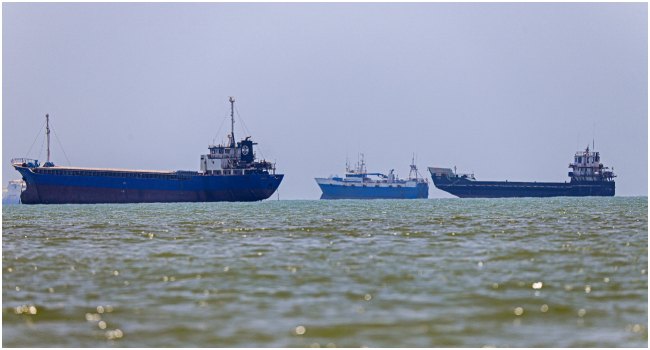
In a significant escalation of maritime tensions, Iran’s Revolutionary Guards Navy (IRGC-N) reportedly intercepted and turned back six commercial vessels attempting to transit the strategically vital Strait of Hormuz through routes not sanctioned by Iranian authorities. State television reports on Monday detailed the incident, stating that warning shots were fired to ensure compliance and redirect the ships.
“Last night, six vessels that attempted to transit through a route other than the designated one were stopped by the IRGC Navy with warning shots and turned back,” a state television correspondent reported from the Gulf, emphasizing the Iranian military’s assertive posture in the critical waterway. This latest event follows closely on the heels of a similar incident just two days prior, on Saturday, when the Guards announced they had stopped four vessels attempting to navigate the southern section of the strait, also after firing warning shots.
Strategic Chokepoint Under Scrutiny
The Strait of Hormuz, a narrow waterway connecting the Persian Gulf to the open ocean, is arguably the world's most important oil transit chokepoint. Approximately one-fifth of the world's total oil consumption, and a substantial portion of its liquefied natural gas, passes through this strait daily. Any disruption here has immediate and far-reaching implications for global energy markets and international trade. Iran, which borders the strait, has historically asserted its right to control passage through its territorial waters and has, at various times, threatened to close the strait in response to international pressure or sanctions.
Regional Tensions Fueling Assertiveness
These recent actions by the IRGC-N are unfolding against a backdrop of heightened geopolitical instability across the Middle East, particularly since the onset of the conflict in late February. Iran has effectively intensified its surveillance and control over the Strait of Hormuz, linking its maritime assertiveness to broader regional dynamics. While Iranian authorities cite adherence to designated transit routes as the reason for the interceptions, the timing and frequency of these incidents suggest a deliberate strategy to project power and assert influence in a region already on edge.
The repeated use of warning shots against commercial vessels, regardless of their compliance status, raises concerns among international shipping bodies and global powers. Such actions increase the risk of miscalculation and potential confrontation in an already volatile maritime environment. The international community will be closely monitoring these developments, as continued disruptions in the Strait of Hormuz could have profound economic and security consequences worldwide.
Why This Matters
The repeated interception of vessels in the Strait of Hormuz by Iran's Revolutionary Guards poses a significant threat to global energy security and international shipping freedom. These actions could lead to increased oil prices, disrupt supply chains, and further destabilize an already volatile Middle East, impacting economies and diplomatic relations worldwide.