Key Takeaways
- The UAE has blamed Iran for an attack on an ADNOC vessel in the Strait of Hormuz.
- Abu Dhabi called the strike an act of piracy by Iran's Revolutionary Guard Corps.
- ADNOC confirmed the incident, saying no injuries were reported.
- The attack is the latest in a series of incidents targeting commercial shipping since the Middle East war began.
The Attack
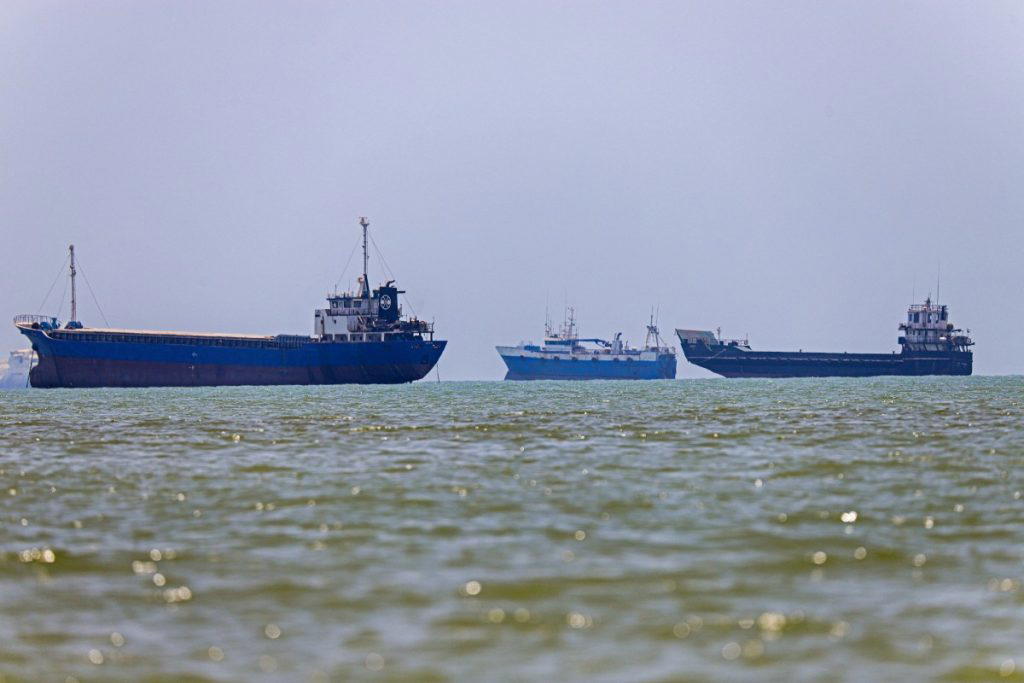
The United Arab Emirates has formally accused Iran of launching a 'hostile' attack on a vessel owned by state oil giant ADNOC in the Strait of Hormuz. The incident occurred on the evening of Friday, August 14, and marks the latest escalation in a bitter standoff over one of the world's most vital energy waterways.
Iran has effectively blockaded the strait, carrying out repeated strikes on commercial ships since the Middle East war began in February. Tehran says it intends to charge vessels for passage, a move Washington forcefully rejects. The UAE foreign ministry condemned the attack, stating that 'targeting commercial shipping and using the Strait of Hormuz as a tool of economic coercion or blackmail represents acts of piracy by Iran's Revolutionary Guard Corps.'
ADNOC, the Abu Dhabi National Oil Company, confirmed that one of its vessels was attacked while transiting the strait. The company reported no injuries and stressed the importance of protecting seafarers and safeguarding freedom of navigation and maritime security.
A Pattern of Escalation
The latest attack follows a string of similar incidents. Just a day earlier, the UAE accused Iran of targeting two other ADNOC-linked vessels in the strait, with no injuries reported. Last week, ADNOC disclosed that three of its tankers had been attacked, while the Emirati foreign ministry separately announced an assault on another tanker a day later.
In response, UAE presidential adviser Anwar Gargash said the country would defend its rights to freedom of navigation. 'The repeated targeting of ADNOC tankers will not deter the UAE from pursuing a balanced and prudent policy based on deterrence, diplomacy, and adherence to international law,' he wrote on X. He also called for a unified Gulf position to protect regional security and the interests of member states.
The escalation has undermined diplomatic efforts to ease tensions. Continued attacks in the strait, which was free to transit before the war, led to the collapse of an April ceasefire between Washington and Tehran. A June deal, intended as a stepping stone toward a permanent settlement, had envisioned Iran and Oman, in consultation with other Gulf states, working out future arrangements for the waterway in line with international law.
Iran's Conditions
Iranian official Mohammad Bagher Zolghadr laid out a series of conditions for fully reopening the strait, including an end to what he described as war against Iran and its regional allies, the lifting of sanctions, and compensation for wartime damage. These demands have complicated negotiations, leaving the waterway's status unresolved.
Why This Matters
The Strait of Hormuz is a critical corridor for global energy supplies, and any disruption carries significant economic and security risks. With the UAE accusing Iran of piracy and Iran imposing conditions for passage, the region remains on a knife's edge, and the international community continues to watch for further escalation.