The United States has deployed multiple MQ-9 drones and about 200 military personnel to Nigeria to support intelligence gathering and training in the fight against insurgency, according to Reuters.
The news agency reported that the mission is limited to surveillance and advisory roles, with no U.S. troops embedded in frontline operations and no drone strikes currently being conducted.
“The US military has multiple MQ-9 drones operating in Nigeria alongside 200 troops to provide training and intelligence support to the military,” US and Nigerian officials told Reuters.
According to Reuters, the deployment followed a request by Nigerian authorities seeking enhanced support in identifying and tracking terrorist threats.
A US defence official, quoted by Reuters, described the collaboration as a joint effort against a common threat. “We see this as a shared security threat,” the official said, noting that the mission is restricted to intelligence collection and advisory support.
Nigeria’s Defence Headquarters confirmed the development, with Director of Defence Information, Major General Samaila Uba, stating that the US personnel are operating from an airfield in Bauchi State.
“This support builds on the newly established US-Nigeria intelligence fusion cell, which continues to deliver actionable intelligence to our field commanders. Our US partners remain in a strictly non-combat role, enabling operations led by Nigerian authorities,” Uba said.
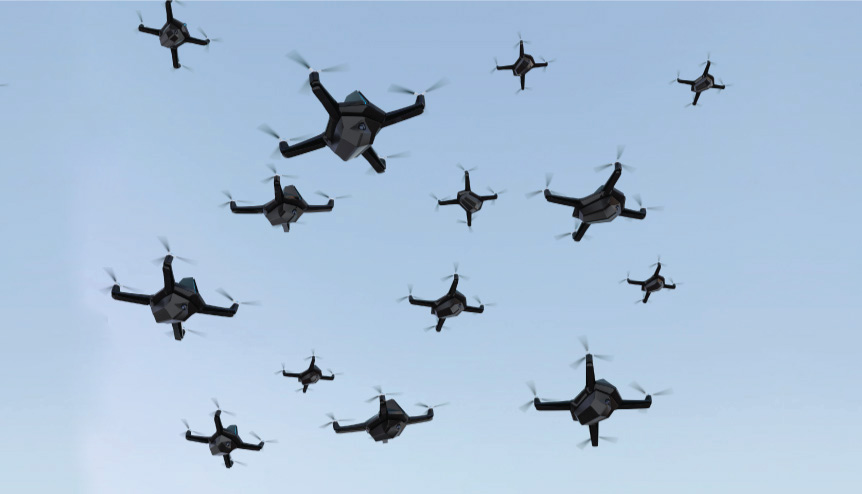
The MQ-9 drones, also known as Reaper drones, are capable of extended high-altitude operations and can be used for both surveillance and strike missions. However, officials told Reuters that the platforms currently deployed in Nigeria are being used strictly for intelligence purposes.
“Our U.S. partners are helping Nigeria identify, track and respond to terrorist threats,” Uba said, without providing operational details.
The deployment comes amid renewed insecurity in parts of northern Nigeria. Reuters reported that recent attacks, including a March 16 suicide bombing in the northeast, highlight the persistent threat posed by Boko Haram and Islamic State West Africa Province (ISWAP).
“We continue to assess that these organisations will seek opportunistic targets and may attempt to demonstrate relevance through high-visibility attacks,” Uba said.
Reuters further reported that the duration of the US deployment would be determined jointly by both countries, as both sides deepen intelligence-sharing and capacity-building efforts to counter evolving insurgent threats.
The report also noted that the deployment follows earlier indications that the US had sent roughly 200 troops to Nigeria in February to support counterterrorism efforts through training and operational assistance.