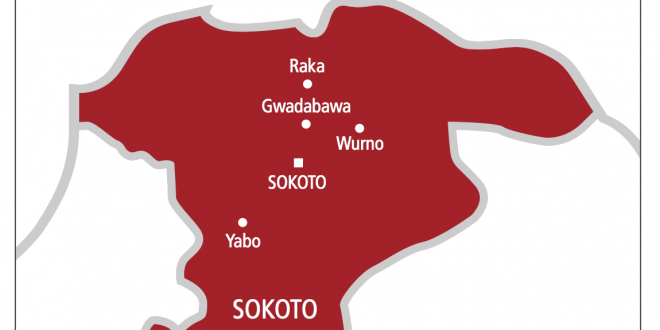
Key Takeaways
- Approximately 40% of primary healthcare centers (PHCs) in Sokoto East are operating below capacity due to pervasive insecurity.
- Sustained bandit attacks have led to massive community displacement, overstretching healthcare facilities in safer towns.
- The crisis exacerbates poverty, disrupts livelihoods, and contributes to poor sanitation, including open defecation.
- Sokoto State grapples with an uneven distribution of healthcare workers, with rural areas critically underserved.
- Stakeholders are urgently calling for innovative strategies and prioritized healthcare delivery in conflict-affected regions to achieve universal health coverage.
Persistent insecurity has crippled nearly 40 percent of primary healthcare centers (PHCs) across Sokoto East, severely compromising access to vital medical services and threatening Nigeria's ambitious goal of universal health coverage. This alarming revelation came from the Wamban Isa, Alhaji Nasiru Yahya Isa, during the 4th Annual Scientific Conference of the College of Health Sciences, Usmanu Danfodiyo University, Sokoto (UDUS), held recently.
Alhaji Isa highlighted how relentless bandit attacks have forced countless communities to abandon their homes, schools, and crucial health facilities. Residents, fleeing the violence, have been compelled to relocate to perceived safer towns such as Sokoto and Isa, creating an internal displacement crisis with far-reaching consequences for public health and socio-economic stability.
The mass exodus of people has placed immense strain on the healthcare infrastructure in host communities, which were already struggling with limited resources. This displacement not only overburdens existing facilities but also exacerbates poverty, disrupts essential farming and commercial activities, and contributes significantly to deteriorating sanitation conditions, including the alarming prevalence of open defecation.
The conference, themed “Universal Health Coverage in Nigeria: Overcoming Access and Workforce Gap in the Face of Insecurity,” served as a critical platform for policymakers, health professionals, and academics to dissect the multifaceted challenges plaguing the nation's health sector. Discussions underscored the urgent need for strategic interventions to bridge the widening gaps in healthcare access and workforce distribution.
Further compounding the crisis is the stark imbalance in healthcare worker distribution within Sokoto State. Dr. Faruk Abubakar, the State Commissioner for Health, revealed that while some urban PHCs boast as many as 80 personnel, numerous rural facilities operate with a solitary health worker. This disparity leaves vast swathes of the population without adequate medical attention, particularly in the most vulnerable areas.
In an effort to mitigate this critical manpower shortage, the state government has introduced a two-year compulsory service policy for health professionals who have benefited from state scholarship programmes. This initiative aims to ensure that trained personnel contribute their expertise to underserved communities, thereby enhancing the availability of healthcare providers where they are most needed.
Both Alhaji Isa and the Sultan of Sokoto's representative, the District Head of Wurno, Alh. Muhammad Kabiru Cigari, issued fervent calls for action. They urged governments and development partners to prioritize healthcare delivery in hard-to-reach and conflict-affected communities, emphasizing the imperative to develop innovative strategies that extend essential services to everyone, ensuring no citizen is left behind in the pursuit of health and well-being.
The ongoing insecurity in Sokoto East presents a formidable barrier to achieving equitable healthcare access and universal health coverage. Concerted efforts, innovative solutions, and sustained commitment from all stakeholders are essential to restore stability, rebuild trust, and ensure that every individual, regardless of their location, can access the fundamental healthcare services they deserve.
Why This Matters
The collapse of primary healthcare services in conflict-ridden regions like Sokoto East not only threatens the immediate health and lives of millions but also undermines national development, perpetuating cycles of poverty and instability across Nigeria.