Key Takeaways
- Indian Prime Minister Narendra Modi offers forgiveness to protesters who abused him during recent youth-led demonstrations.
- The protests were sparked by examination paper leaks and broadened into a wider expression of frustration over unemployment and governance.
- Modi's government has faced police complaints and online abuse against protesters, with some facing legal action.
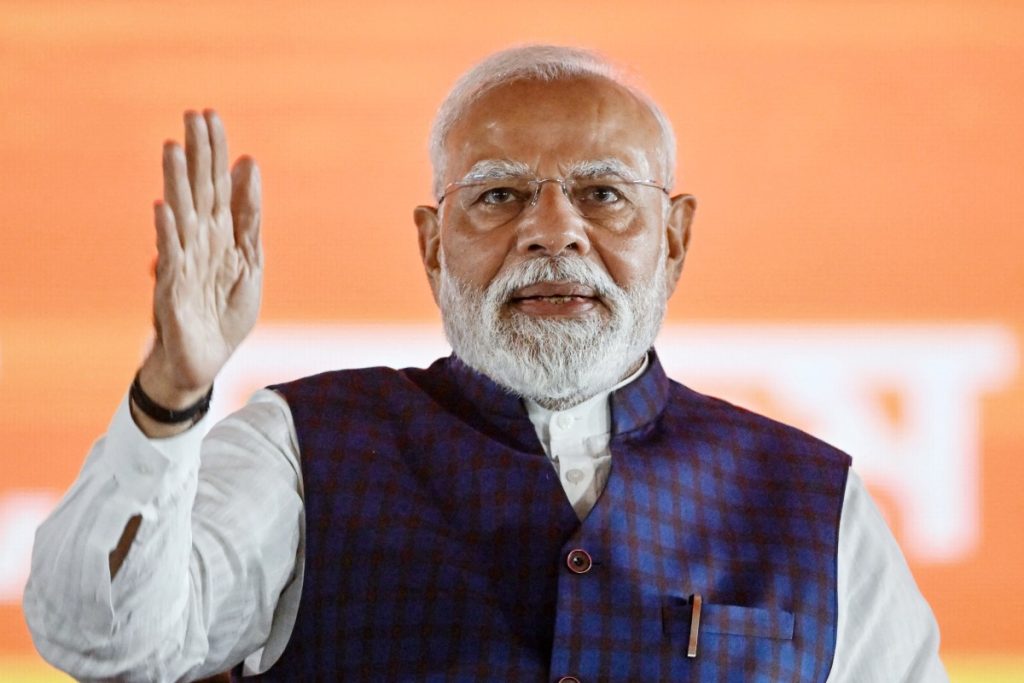
Indian Prime Minister Narendra Modi has expressed his desire to forgive protesters who verbally abused him during the recent wave of youth-led demonstrations that posed a significant challenge to his government. The protests, which began last month, were initially sparked by anger over examination paper leaks but soon evolved into a broader expression of frustration over unemployment and governance concerns.
The demonstrations, mobilized by the online Cockroach Janta Party (CJP), witnessed large crowds gathering in New Delhi and other cities, with some protesters featuring in widely circulated videos shouting insults at the prime minister. However, these protesters have since faced online abuse from Modi supporters as well as police complaints, according to local media reports. Furthermore, police have requested social media platforms, including Meta and X, to remove what they described as abusive and manipulated content targeting the premier.
Modi's Response
In a video posted on Instagram, Modi, 72, stated that the country and the world witnessed the events that unfolded at Jantar Mantar, where mischievous youngsters hurled vile abuses at him. He emphasized that the words used did not belong to civilized society and were directed not just at him, but also at his late mother. Modi expressed his desire to forgive them, citing that mistakes made in youth should be corrected through guidance rather than legal action.
The protests, which began last month, were initially sparked by anger over examination paper leaks but soon broadened into a wider expression of frustration over unemployment and governance concerns, culminating in the resignation of Education Minister Dharmendra Pradhan. Since the protests began, Modi has increasingly used Instagram to communicate directly with youngsters, with his ruling party having 9.6 million Instagram followers, while the CJP, launched only in May, has more than 26 million.
Why This Matters
This development is crucial as it highlights the Indian government's approach to handling protests and criticism, and its willingness to engage with the youth through social media platforms. The use of social media to mobilize support and communicate with the public has become increasingly important in Indian politics, and Modi's efforts to connect with youngsters through Instagram demonstrate the shifting dynamics of political engagement in the country.