Key Takeaways
- Babatunde Fashola, former Lagos State Governor, has dismissed speculation about a presidential bid.
- He expressed satisfaction with his current life and has no intention of seeking Nigeria’s highest political office.
- Fashola reflected on his over two decades in public service, describing it as an extraordinary privilege.
- He hopes his journey will inspire younger Nigerians and showcase the country's possibilities.
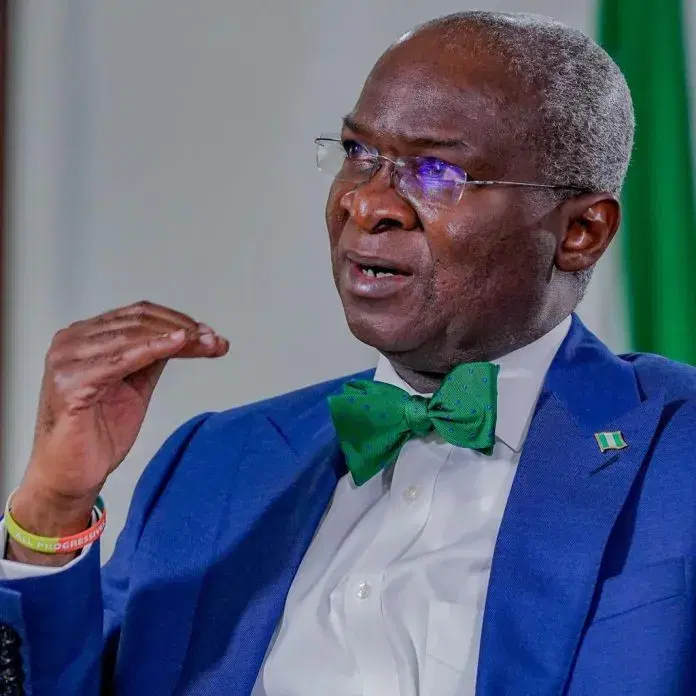
Former Lagos State Governor and ex-Minister of Works, Babatunde Fashola, has stated that he is not interested in contesting for the presidency, saying he is satisfied with his current life and has no intention of seeking Nigeria’s highest political office. Fashola made the declaration during an interview on TVC, where he dismissed speculation linking him with a presidential bid.
When asked if he would contest for president, Fashola gave a direct response: “No.” He further clarified his position with a smile, saying, “President of what? I’m president at home.” This response highlights his contentment with his current role and lack of ambition for the presidency.
A Life of Public Service
Reflecting on his over two decades in public service, the former Lagos governor described his career as an extraordinary privilege. He expressed hope that his journey would inspire younger Nigerians, showcasing the possibilities of the country. Fashola emphasized that Nigeria is a place where people can rise from humble beginnings to positions of prominence, citing numerous stories of rags to riches and grass to grace.
Fashola’s comments also touched on his legacy, with him declining to shape how he would like to be remembered. Instead, he believes that history should make its own judgment, saying, “Let history write whatever history wants to write. It is not in my place.” This humility and willingness to let his actions speak for themselves are notable characteristics of his approach to public life.
Insights on Governance and Policy
The former minister shared his thoughts on various governance and policy issues. He confirmed his membership in the Lagos State Governance Advisory Council and stressed the importance of a thin line between intervention and interference. Fashola also called for stronger public confidence in the judiciary and advocated for a vibrant opposition to deepen democracy. Additionally, he urged greater national consensus on key policy issues and backed the establishment of state police, although he cautioned that it would not be a quick fix to insecurity.
Fashola attributed Lagos’ recurring flooding partly to indiscriminate waste disposal, despite the state’s coastal geography. This highlights the need for effective waste management strategies and awareness campaigns to address environmental challenges.
Why This Matters
Fashola’s decision not to pursue the presidency and his reflections on public service offer insight into the values and priorities of a seasoned political leader. His emphasis on the importance of public confidence in institutions, vibrant opposition, and national consensus underscores the need for collaborative and inclusive governance in Nigeria.