Key Takeaways
- Sheikh Sani Yahaya Jingir denies claims of disliking Christians, calling them false.
- His comments at a mass wedding event were deemed divisive but were misinterpreted.
- Jingir stresses the importance of fairness and justice in leadership.
- He urges peaceful coexistence among different religious and ethnic groups in Nigeria.
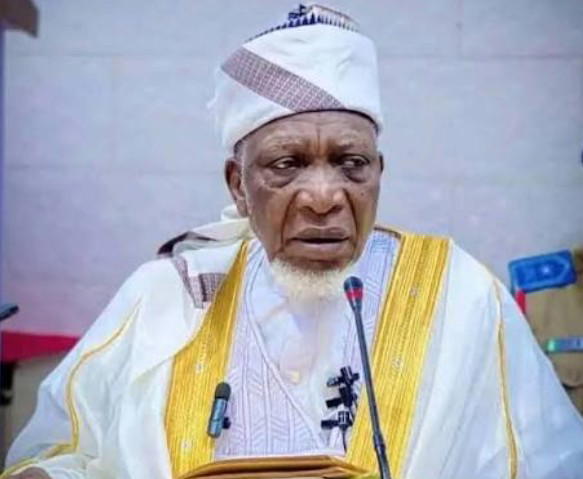
In a recent address, Sheikh Sani Yahaya Jingir, the chairman of the Izalatil Bid’a Wa’ikamatis Sunnah (JIBWIS), firmly rejected allegations suggesting he harbors animosity towards Christians. He referred to these claims as “mere lies” and emphasized that his previous statements had been taken out of context.
The cleric came under scrutiny following remarks made during a mass wedding ceremony organized by the Kano State government, which featured approximately 1,500 couples. Many Nigerians perceived his comments as divisive and potentially harmful to interfaith relations.
During a One-Day National Symposium themed “Enhanced Political Participation and Social Justice as a Panacea for Unity and Development in Nigeria,” held in Jos, Jingir clarified his position. “A lot of people are saying I dislike Christians; I didn’t say I dislike Christians. It is a lie. My remarks were misinterpreted,” he stated.
Jingir went on to assert that true Islamic leadership is rooted in fairness and respect for all individuals, regardless of their faith. He elaborated that Islam promotes love and justice towards people from various backgrounds, insisting that any injustice against non-Muslims would ultimately be questioned on the Day of Judgment.
Calling for peace and unity, the JIBWIS chairman also reminded the assembly that the Prophet Muhammad (SAW) exemplified harmony with those of differing beliefs. He urged Nigerians to foster a spirit of coexistence, which is crucial for national development.
Moreover, Jingir appealed to President Bola Ahmed Tinubu and other political leaders to practice fairness in governance. “I call on President Bola Ahmed Tinubu not to cheat non-Muslims and Muslims alike. You should lead with justice and fairness to all Nigerians,” he stressed, highlighting the responsibility of leaders to represent all constituents equitably.
As Nigeria prepares for future elections, Jingir reaffirmed that every citizen has the fundamental right to choose their preferred candidates. “Everyone has the right to vote for whoever he feels is okay with him to vote for during an election,” he asserted.
In closing, Jingir urged Nigerians to prioritize peace and unity, warning that sustainable development is unattainable in an atmosphere rife with division and insecurity. “Without peace, there will be no development,” he cautioned, appealing for concerted efforts towards strengthening communal ties among the nation’s diverse ethnic and religious groups.
Why This Matters
Jingir's statements are significant in the context of Nigeria's complex religious landscape. His calls for justice and inclusivity reflect a broader need for unity in a nation frequently challenged by religious and ethnic tensions. Promoting peaceful coexistence is essential for fostering national development and stability.