Key Takeaways
- Hurricane Katrina, 21 years ago, profoundly reshaped one journalist's approach to emergency preparedness.
- Effective communication, including knowing your GPS coordinates and utilizing satellite SOS features, is paramount when traditional services fail.
- Backup power sources, charging cables, and simple items like zip-top bags are essential for maintaining functionality during outages.
- Always have an emergency kit, including water, cash, and a plan for both home and vehicle, ready for rapid deployment.
- Flexibility, adaptability, and focusing on solvable problems are crucial when original emergency plans inevitably break down.
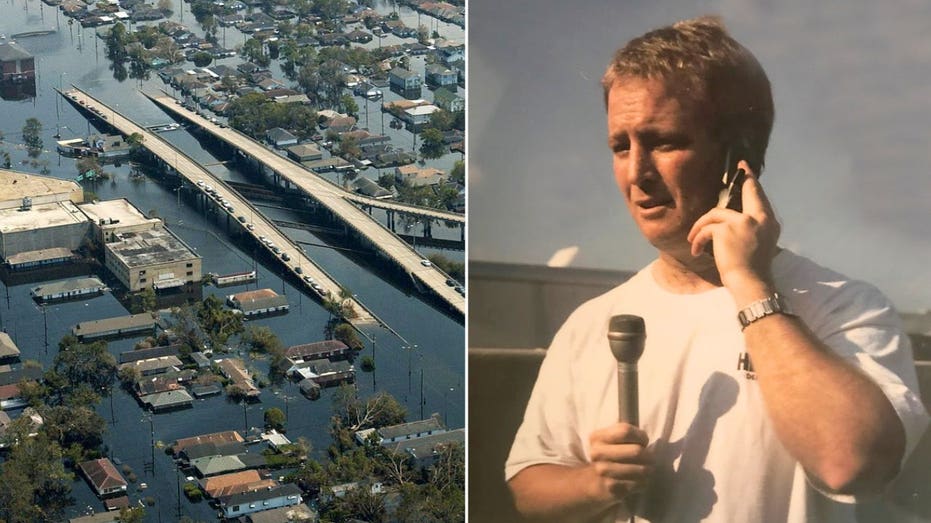
August 29th marks 21 years since Hurricane Katrina unleashed its devastating fury on the Gulf Coast in 2005. What began as a planned fun weekend in New Orleans for one journalist quickly devolved into a harrowing fight for survival, trapped inside a luxury hotel amidst one of the most catastrophic hurricanes in U.S. history. This experience, detailed in a recent podcast, fundamentally altered his perspective on emergency readiness.
A Nightmare in New Orleans: Katrina's Unforgettable Grip
As Katrina intensified in the Gulf, the journalist recognized the looming danger. He managed to secure what he recalls as the last flight out for his parents, even offering his own ticket. His subsequent attempt to rent a car failed, leaving him to return to the Ritz-Carlton, a hotel lauded for its hurricane preparedness with upgraded windows, generator power, and ample supplies. However, the situation rapidly deteriorated. The hotel's decision to shelter employees' families swelled its population far beyond original estimates, straining resources. When the floodwaters arrived, escape became impossible.
Food was rationed, and staff resorted to siphoning diesel from guests' vehicles to keep generators running. Outside, the sounds of gunfire and scenes of looting on Canal Street painted a grim picture, with hotel officials repeatedly warning guests against venturing out. Communication was severely compromised; cell service was unreliable, and text messages could take hours. Amidst this chaos, the journalist ingeniously 'MacGyvered' the hotel's phone system to report back to KTLA in Los Angeles, where he worked.
A profound question haunted him: if conditions were so desperate in a luxury hotel, what were families in their homes enduring? This became personal as he befriended Jesse and Emma Ruiz, a couple whose anniversary trip had turned into a disaster. The shared ordeal underscored the psychological toll and the critical need for reliable information amidst rampant rumors and fear – a period he describes as 'information chaos.'
Lessons Forged in Crisis: Essential Preparedness Strategies
The experience taught invaluable lessons, many of which didn't involve expensive gear but rather strategic thinking. The journalist learned the critical importance of knowing one's exact GPS coordinates, a detail desperately needed for a potential helicopter rescue that took nearly two days to ascertain without modern smartphone tools. Today, features like Apple's Emergency SOS via satellite and similar services on newer Samsung Galaxy phones offer vital lifelines for texting emergency services when off-grid, emphasizing the need to practice these features beforehand.
Beyond satellite communication, a NOAA Weather Radio with Specific Area Message Encoding (SAME) is crucial for receiving official alerts. Power preparedness is equally vital: charging phones and portable batteries before a storm, keeping spare charging cables, and having a portable power station can make all the difference. The humble zip-top plastic bag proved indispensable for protecting small electronics from water damage. A reliable flashlight or lantern and a whistle are also non-negotiable.
Water storage – at least one gallon per person per day for several days – is paramount, as is having emergency cash, since ATMs and credit card systems often fail. The journalist also advocates for duplicating essential emergency gear, keeping kits both at home and in the car, recognizing that trouble can strike anywhere.
Why This Matters
Hurricane Katrina's enduring lesson is that preparedness is fundamentally about building flexibility and options into your plans. You cannot predict every failure point, but you can equip yourself with multiple ways to receive information, maintain power, and communicate your location. By proactively addressing these simple yet critical aspects, individuals can significantly enhance their resilience and ability to navigate the unforeseen challenges of a major emergency, ensuring they are not merely waiting for rescue but actively problem-solving.