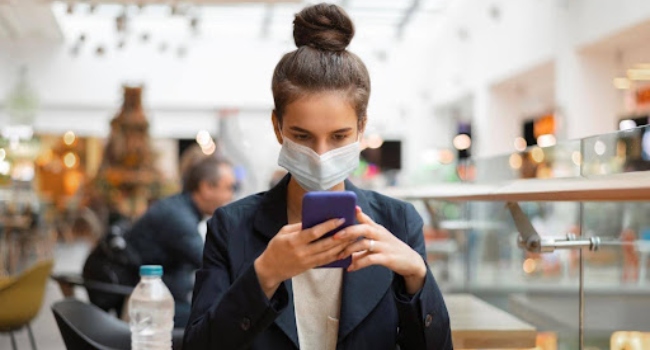
As mobile internet continues to transform the way we live and work, public WiFi security has become a pressing concern. With the increasing number of people connecting to public networks in airports, cafes, and hotels, it's essential to understand the risks involved and take necessary precautions to safeguard personal data.
Understanding the Risks of Public WiFi
Public WiFi networks often lack the same level of protection as private networks, leaving sensitive information such as login credentials, messages, and financial data exposed to potential risks. Cybersecurity experts recommend caution when connecting to open networks, as smartphones are now used for everything from communication to financial transactions.
Common Threats on Public WiFi Networks
- Data Interception: A third party may attempt to intercept data traffic of other users on the same network, a technique known as a man-in-the-middle attack.
- Fake WiFi Networks: Attackers may create fake WiFi networks with names that closely resemble those of legitimate businesses, aiming to collect personal data from unsuspecting users.
- Outdated Devices: Smartphones running older operating systems or applications that have not received updates may contain known security flaws that malicious software can exploit.
Simple Habits to Improve Public WiFi Security
Fortunately, you don't need advanced technical knowledge to reduce risks while using public WiFi. A few simple habits can make a meaningful difference:
- Check the Web Address: Ensure the site address begins with https, indicating an encrypted connection.
- Keep Your Smartphone and Apps Updated: Regular updates often include security patches that fix vulnerabilities that cybercriminals may attempt to exploit.
- Enable Two-Factor Authentication: Add an extra layer of protection to important accounts such as email, social networks, and cloud storage services.
- Review Device Settings: Disable automatic file sharing and turn off Bluetooth when not in use to reduce potential vulnerabilities.
Additional Protection with VPNs
Using a Virtual Private Network (VPN) can add an extra protection layer to smartphone data traffic, creating an encrypted tunnel between the device and the internet. This makes it significantly harder for third parties to monitor or intercept transmitted data.
By building good online habits and taking a few simple precautions, you can strengthen public WiFi security and protect your personal data. Remember, browsing responsibly has become part of modern digital life.