Key Takeaways
- Nigeria’s crude oil production has climbed to 1.8 million barrels per day, bolstering national revenue and foreign exchange reserves.
- The government plans to implement targeted social support for vulnerable citizens while explicitly rejecting a return to broad, untargeted subsidies.
- Despite rising inflation and global geopolitical tensions, the federal government maintains its commitment to long-term economic reforms.
- Nigeria has ruled out the need for financial bailouts from the International Monetary Fund (IMF).
A New Fiscal Horizon for Nigeria
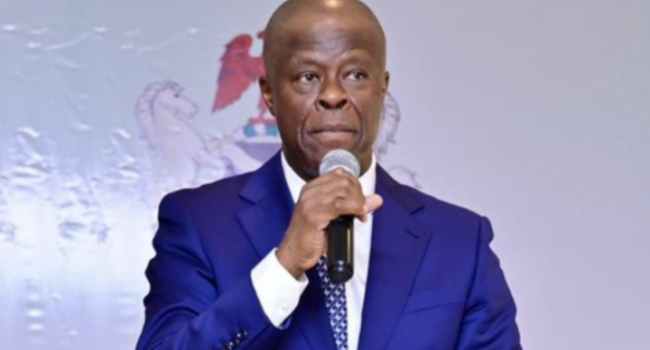
Finance Minister Wale Edun has announced that Nigeria’s crude oil production has reached a significant milestone of 1.8 million barrels per day. Speaking on the sidelines of the IMF and World Bank Spring Meetings in Washington, Edun highlighted that this surge in output is providing the necessary fiscal breathing room to assist vulnerable households currently grappling with the impact of ongoing economic reforms.
Targeted Support Over Blanket Subsidies
While the government is prioritizing social welfare, Edun was categorical regarding the nature of this assistance. He emphasized that the administration has no intention of reverting to the era of broad, untargeted fuel subsidies, which previously drained the national treasury. Instead, the government is focusing on precision-based interventions designed to reach those most affected by rising living costs. Furthermore, the Minister credited the Dangote Refinery for stabilizing the domestic energy market, noting that the country has successfully avoided fuel shortages by ensuring a consistent supply of petrol, diesel, and jet fuel.
Navigating Global Headwinds and Inflation
The announcement comes at a challenging time for the Nigerian economy. Recent data from the National Bureau of Statistics (NBS) indicates that headline inflation rose to 15.38% in March 2026, up from 15.06% in February. Compounding these domestic pressures are global concerns, including the potential for a worldwide recession triggered by ongoing geopolitical conflicts, such as the war in Iran. While the IMF has slightly adjusted its 2026 GDP growth forecast for Nigeria to 4.1%, it remains optimistic about the nation’s long-term trajectory, projecting growth to accelerate to 4.3% by 2027.
Comments (0)
Join the discussion! Sign in to leave a comment.
No comments yet. Be the first to share your thoughts!