Key Takeaways
- An advanced artificial intelligence (AI) tool developed by NYU Langone Health can predict a woman's breast cancer risk within five years.
- The model uniquely analyzes changes in breast tissue over several years of mammograms, offering a dynamic and more comprehensive risk assessment.
- This technology could enable highly personalized screening plans, recommending additional imaging like MRI for high-risk individuals.
- Currently a research tool, it is not yet FDA-authorized for clinical use and requires further validation across diverse populations and equipment.
A significant stride in preventive medicine has emerged from new research, indicating that an advanced artificial intelligence (AI) tool could empower doctors to predict a woman's risk of developing breast cancer years before clinical manifestation. This innovative approach promises to revolutionize early detection and personalized patient care.
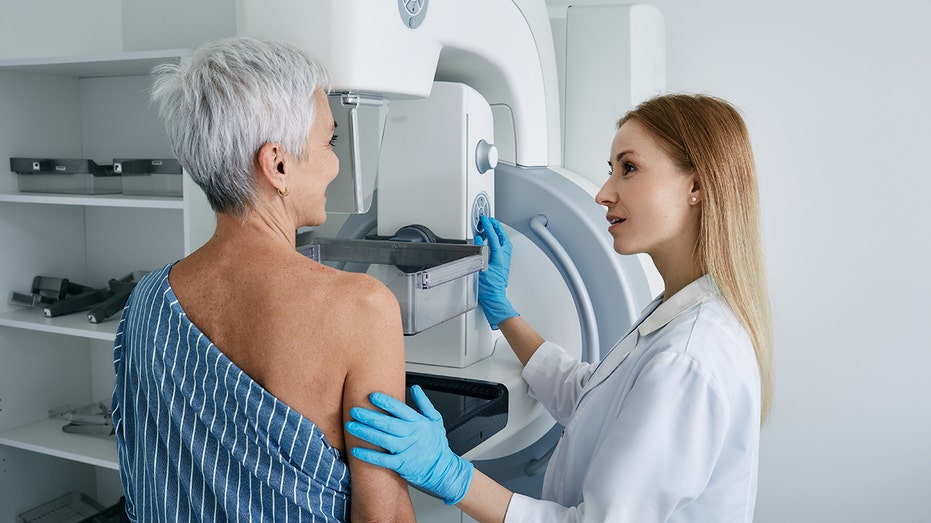
Published in the American Journal of Roentgenology, the study details how researchers at NYU Langone Health developed and tested an AI model designed to estimate a woman's likelihood of developing breast cancer within a five-year window. Unlike traditional methods that often rely on static assessments, this AI tool examines several years of a woman's mammograms to track subtle changes in breast tissue over time, rather than focusing solely on the most recent scan. This longitudinal analysis provides a more nuanced understanding of individual risk trajectories.
The development of this sophisticated model involved an extensive dataset, comprising over 313,000 mammograms from more than 161,000 women. This vast amount of data allowed the AI to learn complex patterns and indicators that might be imperceptible to the human eye, offering a new dimension to risk assessment.
Beyond Traditional Risk Factors
Connie Lehman, a distinguished Massachusetts-based breast imaging specialist and professor of radiology at Harvard Medical School, who was not involved in the study, highlighted the potential impact of such tools. She emphasized that AI could identify women whose increased risk might otherwise go unnoticed by conventional methods. "For decades, as a doctor and breast imaging specialist, I have cared for women who were shocked by a breast cancer diagnosis," Lehman shared. "Again and again, I heard: 'How can this be? No one in my family has had breast cancer.'"
Traditional risk assessments typically consider factors such as family history, age, and genetic mutations. While these remain crucial, AI can delve deeper, uncovering additional clues embedded within a woman's breast tissue that contribute to her overall risk profile. "A mammogram can tell us more than whether cancer is visible today – it can also provide information about a woman's risk of developing cancer in the years ahead," Lehman explained, underscoring the untapped potential of existing imaging data.
Tailored Screening and Future Implications
This predictive information could eventually enable doctors to tailor screening protocols to a woman's individual risk level. For instance, women identified as being at increased risk could engage in discussions with their healthcare providers about additional screening modalities, such as MRI, which offers higher sensitivity for certain breast tissue types. Conversely, women at average risk may continue with standard mammography schedules. A significant advantage of this technology is its ability to analyze mammograms a woman has already undergone, meaning the added risk information would not necessitate another imaging exam or additional radiation exposure.
However, Lehman cautioned that an AI-generated risk score is not a cancer diagnosis and cannot predict with absolute certainty whether a woman will develop the disease. "A higher score can prompt a conversation with your health care provider about additional screening and risk-reduction options," she advised. "A lower score does not eliminate risk or replace regular mammography." The NYU model currently remains a research tool and has not yet received FDA authorization for clinical use. Researchers also noted that the study utilized mammograms exclusively from NYU Langone hospitals and imaging equipment from a single manufacturer. The team plans to further test the model using data from other medical centers and different 3D mammography systems to ensure its broader applicability and robustness.
Why This Matters
The development of this AI tool represents a pivotal moment in the fight against breast cancer, offering the promise of earlier intervention and more personalized care. By leveraging artificial intelligence to extract deeper insights from routine mammograms, healthcare providers could proactively identify at-risk individuals, potentially leading to earlier diagnoses, improved treatment outcomes, and ultimately, saving countless lives.