Meningitis B Outbreak at University of Kent
A deadly meningitis outbreak has gripped the University of Kent, with students lining up for vaccinations as the number of cases reaches 20.
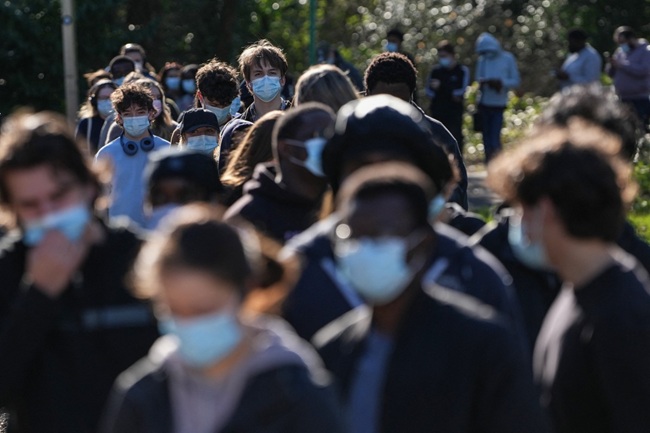
The campus witnessed a long queue of masked students on Wednesday, eager to receive the meningitis B vaccine, a response to the rapidly evolving situation.
"It's quite concerning how fast this happened," shared Jack Jordan, a 19-year-old student, reflecting the sentiment among his peers.
Two Tragic Deaths and a Local Nightclub Link
The outbreak has already claimed two lives: a university student and a schoolgirl. The infection's rapid progression has left several others critically ill in the hospital, with a local nightclub, Club Chemistry, identified as a potential source.
The university's swift action to roll out targeted vaccinations for meningitis B, a bacterial strain with a higher mortality rate than its viral counterpart, has brought some relief.
Urgent Calls for Action and Nationwide Alerts
Prime Minister Keir Starmer has urged young people who visited Club Chemistry on March 5th, 6th, or 7th to come forward for antibiotics. The NHS confirmed at least 10 infected individuals were at the club on those dates.
Health Minister Wes Streeting described the outbreak as "unprecedented." The number of cases has risen from 15 to 20 since Tuesday, with one case involving a patient who fell ill in London after living in Kent, raising concerns about further spread.
The outbreak has also crossed borders, with French authorities reporting a case linked to the University of Kent.
Symptoms, Transmission, and Medical Guidance
Meningitis, a potentially fatal infection, is most prevalent among young children, teenagers, and young adults. Initial symptoms include headache, fever, drowsiness, and a stiff neck, but their vagueness can delay diagnosis.
The disease spreads through prolonged close contact, such as kissing or sharing drinks or vapes. The NHS has advised clinicians to be vigilant when young people aged 16-30 present with relevant symptoms, emphasizing the rapid deterioration seen in outbreak-related cases.
As the situation unfolds, the UK Health Security Agency (UKHSA) reported nine confirmed laboratory cases and 11 notifications under investigation as of 5:00 pm on March 17th.
Doctors across the UK have been instructed to prescribe antibiotics to anyone who visited Club Chemistry during the specified dates or to University of Kent students seeking preventative treatment.
The UKHSA is also investigating an unrelated case of a baby girl with meningococcal group B infection, hospitalized in Folkestone.
In the UK, routine vaccinations against meningitis B are typically administered to children at eight and 12 weeks and one year, with an additional vaccination against groups A, C, W, and Y offered at age 14.