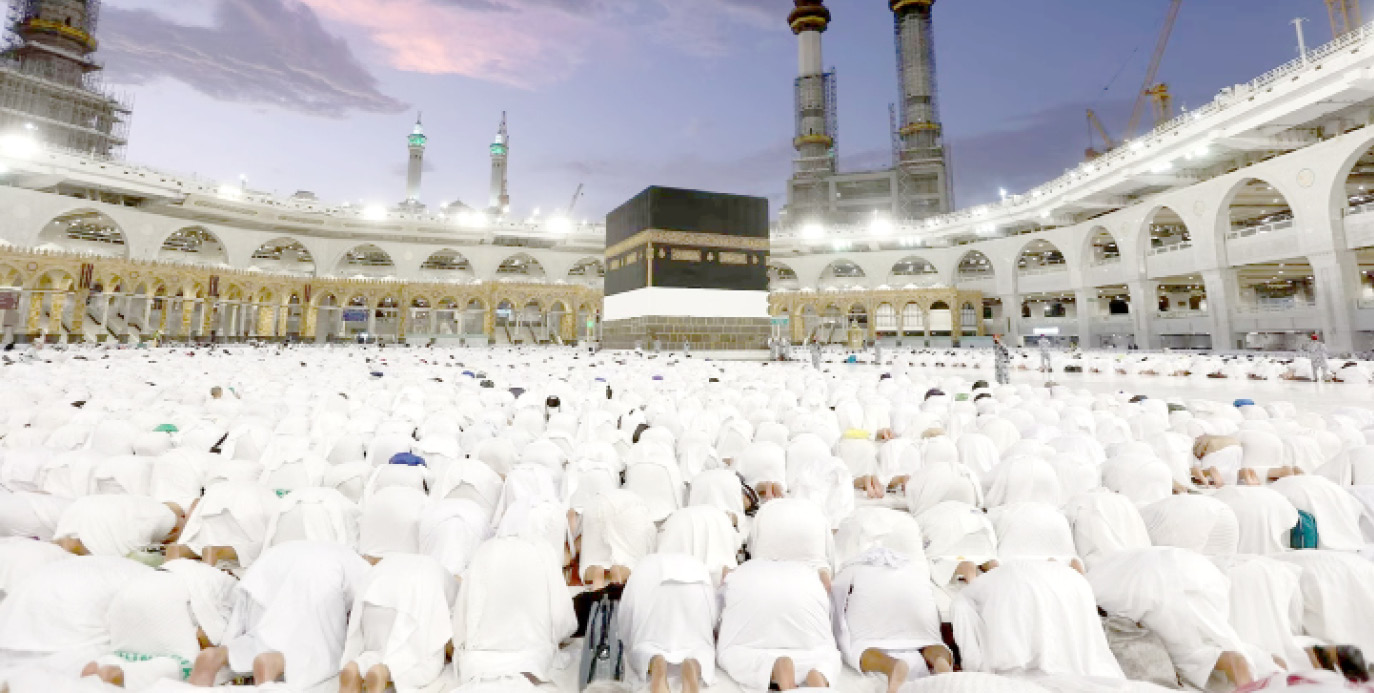
A Hajj training and resource centre has been inaugurated in honour of President Bola Tinubu to equip intending pilgrims with the knowledge and spiritual grounding required for a successful pilgrimage.
The facility, located in Lagos, was named the Bola Ahmed Tinubu Hajj Training and Resource Centre. It was established by the Like Minds of Ulamah Community Development Association in the South-West.
It is designed to serve as a hub where prospective pilgrims can access both practical guidance and spiritual preparation aimed at achieving Hajj Mabrur.
Speaking at the inauguration, the Special Adviser to Babajide Sanwo-Olu on Muslim Affairs, Abdullahi Ahmed-Jebe, described the centre as a critical step toward improving the quality of Hajj participation among Nigerians.
He noted that the institute will provide comprehensive training on key aspects of the pilgrimage, including Hajj rites, health awareness, logistics, and general conduct.
According to him, the initiative is aimed at ensuring that pilgrims are well-prepared for the spiritual and physical demands of the journey.
The Commissioner of Operations at the National Hajj Commission of Nigeria, Anofi Elegushi, disclosed that Hajj visas for this year’s pilgrimage are ready, with the airlift of pilgrims scheduled to commence on May 3.
Elegushi stressed the importance of adherence to flight schedules, urging state pilgrims’ welfare boards and private tour operators to ensure proper planning and coordination to avoid disruptions or penalties.
NAHCON inspects Kaduna Hajj camp
Meanwhile, the National Hajj Commission of Nigeria (NAHCON) has inspected the Kaduna State Hajj Transit Camp in Mando as part of preparations for the 2026 Hajj, with a focus on assessing the facility’s readiness for pilgrim operations.
The inspection team, led by North-West Zonal Commissioner Muhammad Bin Othman, evaluated key components including infrastructure, logistics, and administrative arrangements.
The visit is part of NAHCON’s broader nationwide assessment to ensure compliance with operational standards across all participating states.
At the Kaduna camp, officials showcased recent upgrades such as a new reception hall, an ICT centre, market facilities, and rehabilitated buildings, all aimed at enhancing service delivery for intending pilgrims.
However, the team stressed that improved infrastructure must be matched with efficient coordination and management, particularly during peak Hajj activities when the camp will experience high traffic.
Critical facilities, including access roads, drainage systems, and solar-powered lighting, were also inspected, given their importance to the safety, movement, and overall comfort of pilgrims.
While these additions are expected to strengthen operations, their effectiveness will depend largely on proper maintenance and real-time functionality.
NAHCON officials emphasised that preparedness extends beyond physical structures, highlighting the need for robust planning, trained personnel, and strong inter-agency collaboration to ensure a seamless pilgrimage process.
Responding, the camp’s Administrative Secretary, Baba Rufa’i, described the inspection as both a validation of ongoing efforts and a source of encouragement. He reaffirmed the agency’s commitment to maintaining high standards in service delivery.
The inspection forms part of NAHCON’s nationwide evaluation of Hajj facilities, aimed at ensuring all states meet operational requirements and provide adequate welfare and support for intending pilgrims.