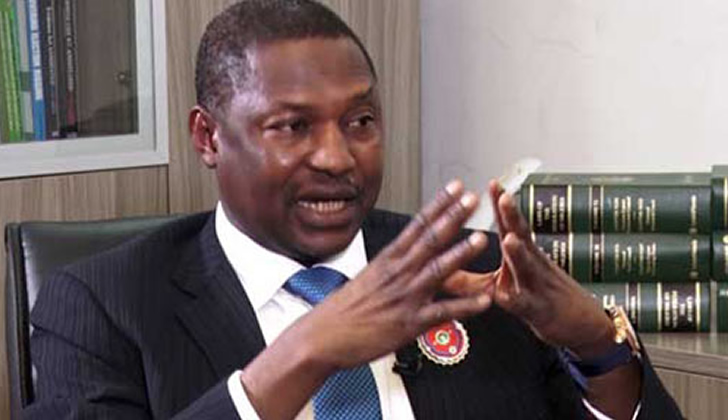
EFCC's Controversial Move Against Ex-AGF
Abubakar Malami, the former Attorney General of the Federation and Minister of Justice, has strongly condemned the Economic and Financial Crimes Commission (EFCC) for what he calls an unlawful invasion of his residential and business premises.
Malami's media aide, Mohammed Doka, issued a statement on Tuesday, detailing the incident and expressing outrage at the EFCC's actions.
Malami's Accusations
Malami alleges that the EFCC, accompanied by armed security personnel, forcefully took over his residences and offices without a valid court order. He claims this is a blatant disregard for the rule of law and an attempt to intimidate him due to his political associations.
The former AGF highlights that the incident occurred shortly after a visit from Atiku Abubakar, the former Vice President, raising suspicions about the timing and motives.
EFCC's Defense
In response, EFCC spokesperson Dele Oyewale justifies their actions, citing a valid interim forfeiture order from a court. He asserts that marking the property is a standard procedure to inform the public of its legal status.
Oyewale denies any raid, stating that the EFCC was simply enforcing a court directive. However, Malami disputes the legality of the order, arguing that it had expired and did not specifically mention his property.
Heated Debate Over Law Enforcement Powers
This incident has sparked a debate over the limits of law enforcement powers. Malami insists that the EFCC's actions were illegal and violated due process, while the EFCC maintains its adherence to legal procedures.
The ongoing court case between Malami and the EFCC adds another layer of complexity, with Malami claiming that the court has not made any final determination on the matter.
As the controversy unfolds, the public is left to question the balance between law enforcement powers and individual rights in Nigeria's legal system.