Key Takeaways
- NOPPMAN calls for ECOWAS intervention over restrictions on Nigerian onion trucks in Ghana.
- Continued delays are leading to financial losses and product spoilage for exporters.
- The association seeks a formal agreement to regulate cross-border onion trade.
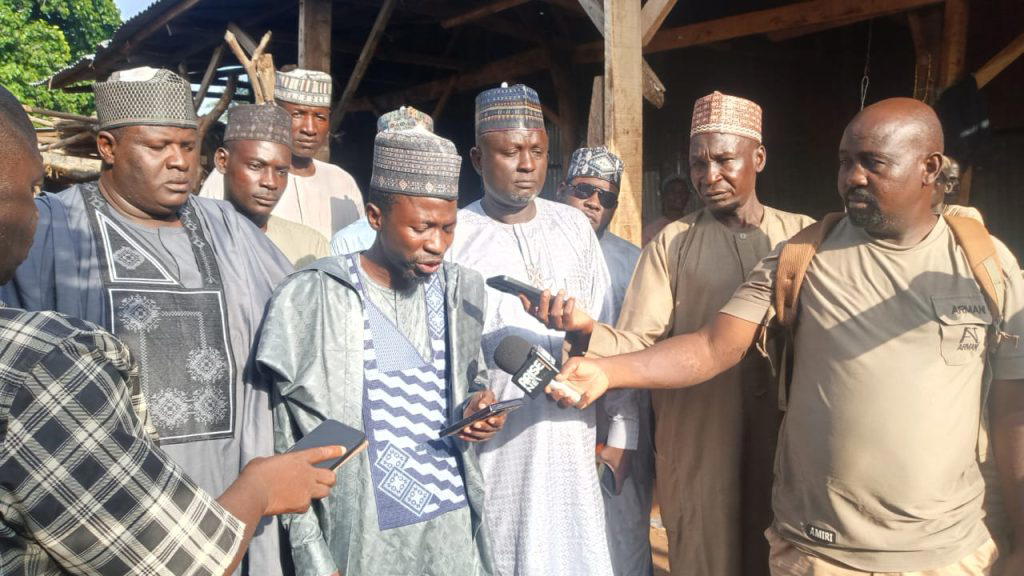
The National Onion Producers, Processors and Marketers Association of Nigeria (NOPPMAN) has raised significant concerns regarding the ongoing restrictions faced by Nigerian and Nigerien onion trucks at the Kotoku Market in Ghana. In a recent statement, they urged the Economic Community of West African States (ECOWAS) to step in and address these issues, which have severely impacted the livelihood of onion exporters and transporters.
According to Alhaji Aliyu Isah Maitasamu, the National President of NOPPMAN, these restrictions are incurring financial losses and causing perishable goods like onions to deteriorate rapidly. Despite various interventions by officials from both the Nigerian and Ghanaian governments, the problem persists.
Maitasamu highlighted the dedication shown by government officials, including the Nigerian Minister of Industry, Trade and Investment and his Ghanaian counterpart, emphasizing their collective efforts to resolve the conflict. However, he lamented that the restrictions continue to pose problems for Nigerian trucks attempting to offload their goods at the market.
“Despite these interventions and the resolutions reached, Nigerian onion trucks continue to face restrictions in the offloading of their consignments at Kotoku Market,” Maitasamu stated. He pointed out that each day of delay poses a risk of spoilage and further losses for all parties involved in the supply chain.
While addressing these concerns, the NOPPMAN president clarified that their grievances are not aimed at the Ghanaian people or traders. He stressed the importance of the longstanding diplomatic, economic, and social relations between Nigeria and Ghana, fostering peaceful collaboration and mutual benefit.
Maitasamu spoke out against unilateral restrictions imposed by certain market actors, which contravene agreements made by relevant authorities. He asserted that no single market association should unilaterally dictate the movement or offloading of legitimate consignments originating from another ECOWAS member state.
In light of the complexities of the situation, NOPPMAN has called for ECOWAS to act as a neutral mediator, bringing together the governments of both nations, trade authorities, onion associations, and relevant stakeholders. They propose establishing a formal Memorandum of Agreement to govern cross-border onion trade, underpinned by regional frameworks such as the ECOWAS Trade Liberalisation Scheme (ETLS) and the African Continental Free Trade Area (AfCFTA).
This agreement, according to NOPPMAN, should include provisions for market access, the movement of trucks, offloading logistics, and mechanisms for future dispute resolution. Maitasamu remarked, “We are seeking a permanent and fair system. We believe the time has come to move from temporary interventions to a permanent solution.”
He added that a transparent and predictable framework would not only safeguard legitimate traders but also help prevent future disputes, thereby enhancing food security, regional integration, and intra-African trade.
NOPPMAN has reaffirmed its commitment to engaging the governments of Nigeria and Ghana, ECOWAS, market associations, and other stakeholders in pursuit of a sustainable resolution. They warned that without intervention, the ongoing restrictions could deepen financial losses and disrupt this crucial agricultural trade corridor in West Africa.
Why This Matters
The continuing restrictions on Nigerian onion trucks not only affect individual exporters but also jeopardize broader regional trade relationships and food security. A swift resolution is essential to ensure the stability of the onion market and to maintain healthy economic relations within the ECOWAS community.