Fuel Price Hike Ignites Lagos Food Crisis: Traders and Consumers Alike Face Unprecedented Strain
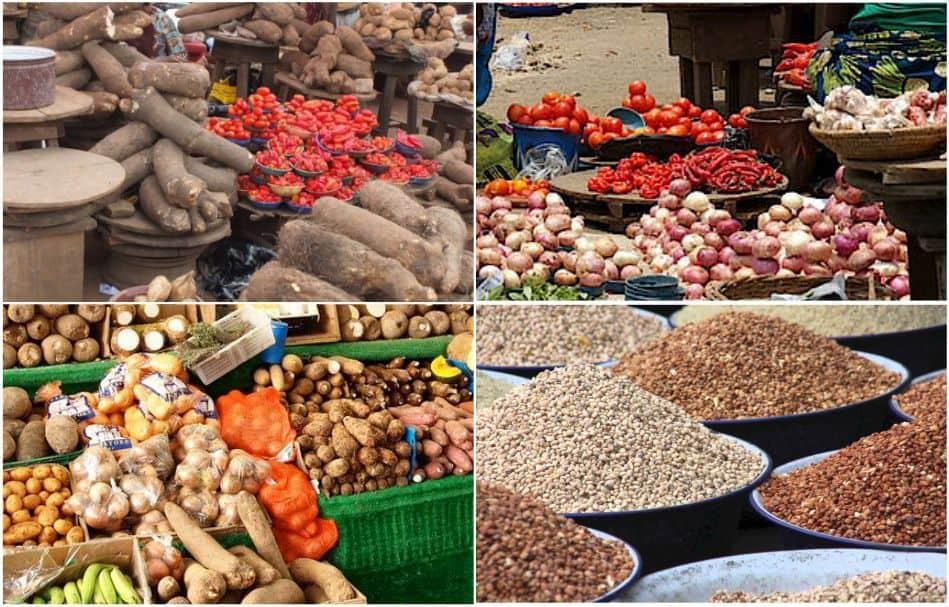
Lagos, Nigeria – The ripple effect of escalating fuel prices is sending shockwaves through Lagos markets, directly translating into soaring food costs that are squeezing both traders and consumers. Alhaji Abiodun Kosoko, the Baba Loja General of Agbado Oke-Odo LCDA, issued a stark warning during a visit by the News Agency of Nigeria (NAN) to Ile Epo Market, highlighting a severe disconnect between market attendance and actual sales.
Despite daily crowds, purchasing power has significantly weakened, leaving traders with mounting unsold goods and diminishing returns. This economic reality is deepening hardship for countless households across the bustling metropolis.
The Vicious Cycle: Fuel Costs Inflating Food Prices
Kosoko explained that the majority of food items sold in Lagos are sourced from northern and neighbouring states, regions known for higher agricultural production. However, the journey to Lagos has become increasingly expensive, creating a bottleneck in the supply chain.
- Distance and Fuel Costs: The long distances combined with the steep price of fuel for transportation are primary drivers of inflation.
- Multiple Levies: Traders face numerous levies along supply routes, further inflating the final prices paid by consumers in urban markets.
- Shrinking Profit Margins: "People come to buy foodstuffs but leave with less than planned. There are turnouts but no turnover," Kosoko lamented, emphasizing the struggle for traders to stay afloat.
This trend, he warned, threatens the sustainability of small-scale traders, many of whom rely on quick sales to prevent losses, especially from perishable goods. He cited a bag of rice, previously N50,000, now selling for N56,000 to N58,000, depending on brand and supply conditions, illustrating the dramatic shift.
Traders Accused of Profiteering Amidst Rising Supply Costs
The burden isn't just on consumers. Traders like Mr. Hammed Adekunle, a meat seller, find themselves in a challenging position, frequently accused by customers of profiteering. "They think I inflate prices, but suppliers keep raising costs beyond my control," Adekunle stated, highlighting the intense bargaining that has become commonplace.
He noted that customers often attempt to drastically reduce purchase amounts, from N5,000 worth of meat to as low as N1,000. For meat sellers, rising costs of livestock, feed, and transportation leave them with little choice but to adjust prices or face substantial losses.
Lagos Households Struggle: Prioritizing Survival Over Nutrition
The impact on ordinary Lagosians is profound, forcing drastic changes in household budgets and dietary habits.
- Budgetary Constraints: Mrs. Sola Ogunbade, a teacher, confessed that the persistent rise in food prices has compelled her to prioritize essential items, often leaving her shopping list incomplete. "Foodstuffs are expensive. I must stick to my budget even if my list isn't complete," she explained. Even staple foods like rice, beans, and vegetables are now difficult to afford in sufficient quantities.
- Nutritional Compromise: For Mrs. Mary Chukwu, a mother of three, the situation has reduced family meals to basic survival. Her primary focus is ensuring her children don't go hungry, even if it means meals lack vital protein, fruits, or other essential nutrients.
- Scaled-Down Celebrations: Mr. Funbi Idowu described the recent Easter period as the hardest his family has experienced. "We can't afford a whole chicken. We will celebrate Easter quietly and hope things improve," he shared, noting how festive periods once marked by abundance have become times of careful spending and reduced expectations.
Urgent Appeals for Government Intervention
In response to the escalating crisis, voices from both market leaders and struggling families are uniting in a plea for government intervention.
Alhaji Kosoko urged the Federal Government to act through fuel subsidies or targeted transport support to stabilize prices and protect both small-scale traders and low-income households. Similarly, Mrs. Chukwu appealed to authorities to consider subsidies on fuel and key food items to ease the immense pressure on struggling families.
As the cost of living continues to climb, the call for decisive action to mitigate the economic fallout and secure food stability for Lagos residents grows louder.