Key Takeaways
- Former Spanish Prime Minister Mariano Rajoy made controversial remarks questioning the 'Frenchness' of the French national football team.
- Spain's government, led by Foreign Minister Jose Manuel Albares and Prime Minister Pedro Sanchez, swiftly condemned Rajoy's comments as 'intolerable' and 'shamefully xenophobic'.
- The incident sparked a diplomatic row and drew rare cross-party condemnation from French politicians.
- The controversy follows a recent racist incident targeting France captain Kylian Mbappé, underscoring ongoing issues of prejudice in football.
A significant diplomatic incident has unfolded between Spain and France, prompting an official apology from Madrid after former Spanish Prime Minister Mariano Rajoy ignited a racism row. Rajoy's contentious remarks, which questioned the 'Frenchness' of France's national football team ahead of a crucial FIFA World Cup semi-final, have been widely denounced as xenophobic and intolerable.
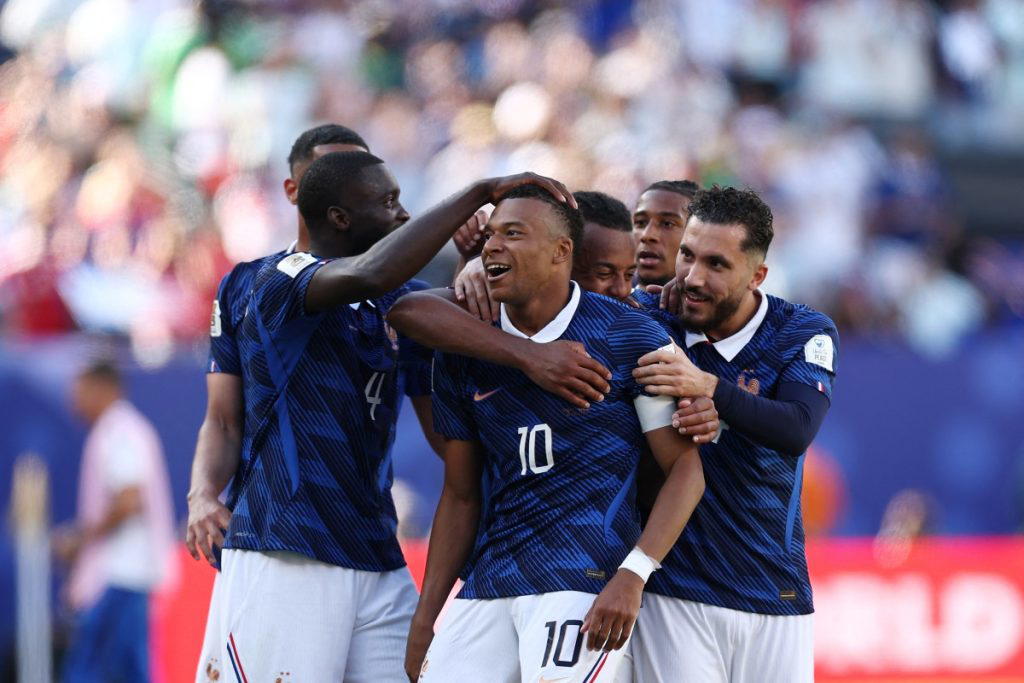
The controversy erupted when Rajoy, in a column for the Spanish online publication El Debate, stated that while France possessed 'a squad of the very highest calibre', it contained 'no French players'. This thinly veiled comment was widely interpreted as a derogatory reference to the African and Afro-Caribbean heritage of numerous key members of the reigning World Cup champions' squad, implying that their ethnicity somehow invalidated their national identity.
Spain's current government was quick to distance itself from Rajoy's incendiary statements. Spanish Foreign Minister Jose Manuel Albares promptly conveyed his country's apology to his French counterpart, emphasizing that Rajoy's views were 'intolerable' and did not reflect the sentiments of the vast majority of Spaniards. Albares unequivocally condemned the remarks, stating, "It's a very serious matter to go around using skin colour to determine who can be a citizen and who cannot," and described them as carrying "the poison of racism and xenophobia."
Prime Minister Pedro Sanchez, who was in Paris for France's National Day celebrations, also publicly criticized Rajoy, lambasting "those who measure nationality by a person’s surname, birthplace or skin colour." Sanchez unequivocally labeled the former leader's comments as "shamefully xenophobic," reinforcing the Spanish government's strong disapproval.
This incident regrettably follows closely on the heels of another high-profile racism controversy involving France captain Kylian Mbappé. The star striker was targeted by Paraguayan senator Celeste Amarilla, who described him as a "colonised Cameroonian" attempting to pass himself off as French after Paraguay's World Cup exit. Mbappé himself condemned those remarks, staunchly defending his identity and that of his teammates.
In France, Rajoy's comments provoked a rare display of cross-party unity in condemnation. Foreign Minister Jean-Noël Barrot asserted, "France has no skin colour. Any statement to the contrary is a sign of idiocy, racism, or both combined." Even the far-right National Rally, typically known for its nationalist stance, criticized the former Spanish leader, with party spokesman Julien Odoul branding Rajoy "a racist" and calling his remarks "scandalous, shameful and deplorable."
Despite the widespread backlash, Rajoy has not publicly addressed the controversy. A spokesperson for his People's Party attempted to mitigate the damage, insisting that the column was intended as sarcasm and carried no malicious intent. However, this explanation has done little to quell the outrage or diminish the diplomatic fallout.
The episode serves as a stark reminder of the persistent challenges posed by racism and xenophobia, particularly within the highly visible arena of international sports. It underscores the critical importance of upholding principles of inclusion and respect, both on and off the field, and highlights how quickly such comments can escalate into significant diplomatic and social issues.
Why This Matters
This incident is crucial as it demonstrates how deeply ingrained prejudices can surface even at the highest political levels, impacting international relations and reinforcing the urgent need for vigilance against racism and xenophobia in all spheres of society, especially within global sports.