Key Takeaways
- The 30-second chair stand test measures lower-body strength and mobility.
- Interest in this test has surged, with online searches increasing by 287%.
- Lower scores indicate a heightened risk of falls and mobility issues among seniors.
In an era where independence and mobility are increasingly prioritized by older Americans, the significance of a simple fitness test is gaining attention. The 30-second chair stand test serves as an essential measurement for assessing lower-body strength, a crucial factor in functional fitness.
According to recent analysis from Google Trends, searches for the term 'sit to stand exercise' have skyrocketed by 287% over the past three months. This spike reflects a growing awareness among older adults about maintaining their mobility and the importance of strength assessments.
The Centers for Disease Control and Prevention (CDC) emphasizes the role of the 30-second chair stand test through its Stopping Elderly Accidents, Deaths & Injuries (STEADI) program. The test aims to evaluate leg strength and endurance, with those scoring below average considered at elevated risk for falls.
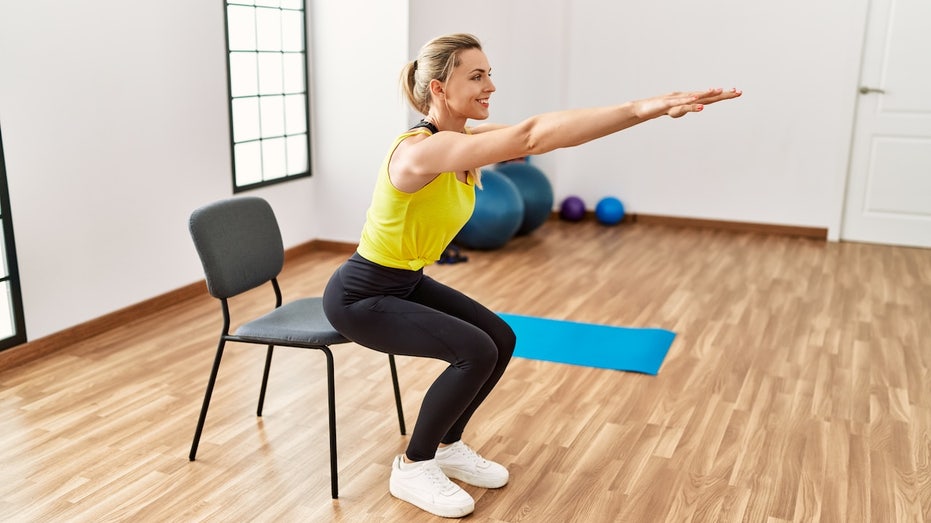
Bruno Pontes, a certified personal trainer at Muscle Booster in California, explains that this fitness test effectively simulates everyday activities like getting up and down from a chair, which is a more practical measure than traditional machine-based tests that isolate specific muscle groups. "The sit-to-stand test is an excellent indicator of lower-body strength, muscular endurance, balance, and mobility," Pontes notes.
The CDC endorses the 30-second chair stand test as the primary exercise for evaluating lower-body strength and fall risk in older adults. Performing this test at home is straightforward; all that’s needed is a sturdy chair and a desire to improve one’s health.
Before attempting the test, individuals with significant balance issues, joint pain, or cardiovascular concerns should consult a healthcare professional. Scores can vary based on factors like age and gender, but Pontes recommends aiming for specific benchmarks to gauge lower-body strength.
Importantly, the focus should not dwell solely on the numerical score achieved. Instead, the key is to note improvements in movement ease and daily functionality. If the process of rising from a chair becomes progressively easier, it signals enhanced lower-body strength and overall functionality.
Pontes shares various exercises that can be incorporated into daily routines to bolster lower-body strength. Squats, for example, primarily target the quadriceps and glutes while also engaging the hamstrings and core. They are especially suitable for seniors due to their low-impact nature.
Other beneficial exercises include lunges and calf raises, both of which help maintain strength in the legs and enhance mobility. As people age, they face an increased risk of sarcopenia, the gradual loss of muscle mass, which can complicate routine tasks and elevate injury risks.
Lower-body strength is vital for preserving independence. It supports everyday movements like climbing stairs, getting up from chairs, and walking confidently. Pontes stresses that maintaining this strength in the legs and hips is essential for reducing fall and injury risks, enabling people to remain active and engaged throughout their later years.
Why This Matters
As the senior population grows, understanding and implementing exercises like the 30-second sit-to-stand test could significantly impact health outcomes. By prioritizing lower-body strength, older adults can enhance their quality of life and ensure greater safety in daily activities.