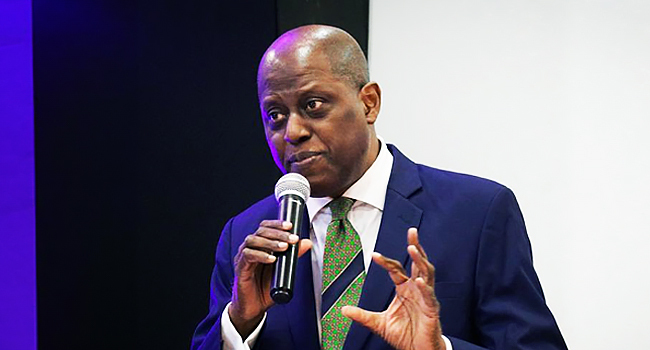
CBN Governor Champions Unified African Approach to Financial Stability
Abuja, Nigeria – In a significant call to action for continental financial resilience, the Governor of the Central Bank of Nigeria (CBN), Mr. Olayemi Cardoso, has urged African financial regulators to forge stronger alliances in navigating the complex landscape of cross-border financial risks. Speaking at the fourth Annual IMF/AFRITAC West 2 High-Level Executive Forum, Cardoso underscored the critical need for a collaborative front to safeguard stability and foster shared prosperity across Africa's increasingly interconnected financial systems.
The Imperative of Pan-African Regulatory Cooperation
Addressing an esteemed gathering at the CBN headquarters, Governor Cardoso emphasized that the rapid pace of regional financial integration now outstrips political coordination, making robust regulatory cooperation not merely an option, but an essential pillar for collective security. He outlined a clear vision for deepened collaboration, advocating for:
- Adoption of shared prudential principles specifically tailored to Africa’s unique economic realities.
- Joint and effective responses to emerging vulnerabilities across the continent.
- Support for inclusive growth through harmonized regulatory frameworks.
Nigeria's Proactive Stance: A Blueprint for Resilience
Cardoso showcased Nigeria's own proactive leadership in regulatory and supervisory reforms as a compelling model for the continent. He highlighted the CBN’s foresight in launching the ambitious Banking Sector Recapitalisation Programme in 2024, a strategic move designed to fortify the resilience of Nigerian banks against anticipated economic headwinds. This initiative, he noted, has since inspired similar reforms across Africa.
Despite navigating challenging economic reforms, including subsidy removals and exchange rate adjustments, Nigerian banks have demonstrated remarkable fortitude. They successfully attracted a staggering ₦4.61 trillion in new capital, with nearly 27 percent originating from foreign investors, all while strategically expanding their operational footprint across various African markets.
Unwavering Commitment to Corporate Governance and Accountability
The CBN Governor reaffirmed the bank's uncompromising dedication to robust corporate governance, signaling an end to an era of regulatory leniency. "Our stance on corporate governance is unequivocal: zero tolerance for violations," Cardoso declared. He elaborated on decisive measures implemented to enforce accountability and elevate compliance standards:
- Ending Regulatory Forbearance: Reinforcing stricter oversight and accountability.
- Restricting Banking Services for Chronic Defaulters: Curbing access for non-performing large-ticket obligors to instill credit discipline, protect depositors, and safeguard financial system stability.
These actions, he stressed, are fundamental to reinforcing a culture of repayment and integrity within the financial sector.
Orthodox Monetary Policy and Agile Fintech Regulation
Beyond regulatory enforcement, Cardoso reiterated the CBN’s steadfast commitment to orthodox monetary policy, squarely focused on restoring price stability, strengthening policy credibility, and anchoring expectations through unwavering discipline and consistency. He also outlined the bank's thoughtful strategy for engaging with and regulating the burgeoning Fintech sector, aiming to strike a delicate balance between fostering innovation and maintaining systemic stability. The CBN’s Fintech Policy Report and ongoing structural reforms are pivotal to building supervisory capacity for Africa's rapidly evolving digital financial ecosystem.
A Forum for Collective Action: The IMF/AFRITAC Perspective
Adding to the discourse, Mr. Ivohasina Fizara Razafimahefa, Director of IMF/AFRITAC West 2, underscored the forum's vital role as a platform for open dialogue and the sharing of practical experiences, technical insights, and policy innovations among national financial regulators. He highlighted the forum's focus on emerging and fast-evolving risks to financial stability, including:
- Digital finance advancements
- Fintech expansion and its implications
- The rise of Artificial Intelligence (AI) in finance
- Climate-related financial risks
Razafimahefa emphasized that these complex challenges demand sustained regional coordination, proactive regulation, and continuous dialogue among all stakeholders to fortify the resilience of Africa's financial systems. The forum, attended by senior representatives including Central Bank Deputy Governors from six member countries, reaffirmed its dedication to collaborative learning in addressing the region's dynamic financial stability landscape.
Shaping Africa's Financial Future Together
Governor Cardoso concluded by envisioning a future where seamless collaboration among African regulators transforms into the continent's most formidable defense and greatest asset. This unified approach, he believes, will empower Africa's financial systems to become powerful catalysts for sustainable growth and comprehensive development.