Key Takeaways
- Nigeria and Morocco have signed a revised Bilateral Air Services Agreement (BASA) to modernize air travel.
- The deal aims to boost tourism, trade, and economic cooperation between the two nations.
- The agreement focuses on safety, environmental sustainability, and operational efficiency for airlines.
A New Era for Nigeria-Morocco Aviation
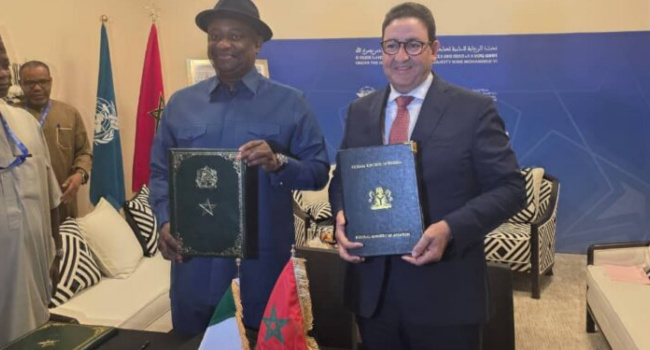
In a strategic move to bolster regional integration, Nigeria has officially entered into a revised Bilateral Air Services Agreement (BASA) with the Kingdom of Morocco. The agreement was formalized by the Minister of Aviation and Aerospace Development, Festus Keyamo, during the prestigious Global Implementation Support Symposium (GISS) held in Marrakech. This development signals a renewed commitment to streamlining air transport and fostering deeper commercial ties between two of Africa’s most influential economies.
Modernizing the Skies
According to an official statement released by Tunde Moshood, the Special Adviser on Media and Communications to the Minister, the revised BASA serves as a forward-looking framework designed to replace outdated protocols. By updating these regulations, both nations aim to remove operational bottlenecks, thereby creating a more seamless environment for airlines, airports, and regulatory bodies to function efficiently.
The agreement is not merely about increasing flight frequencies; it is a comprehensive roadmap for the future of aviation in the region. It emphasizes the importance of modern infrastructure, enhanced safety protocols, and a commitment to environmental sustainability. By aligning their aviation policies, Nigeria and Morocco are positioning themselves to better serve the growing demand for air travel while ensuring that their respective aviation sectors remain competitive on the global stage.
Economic and Cultural Impact
The implications of this partnership extend far beyond the tarmac. By improving connectivity, the deal is expected to act as a catalyst for increased trade and investment flows. Enhanced flight operations will facilitate easier movement for business professionals, tourists, and students, effectively deepening the people-to-people exchanges that are vital for long-term diplomatic success.
Furthermore, the initiative aligns with broader continental aviation goals, such as the Single African Air Transport Market (SAATM), which seeks to create a unified air transport market across Africa. As Nigeria and Morocco strengthen their bilateral relations, they set a precedent for other African nations.