Key Takeaways
- The Nigerian government is mobilizing traditional rulers to address the zero-dose child crisis.
- Significant funding has been secured to bolster immunization efforts across the country.
- Access to vaccinations remains inhibited by insecurity and logistical challenges.
- Community outreach is crucial to improving immunization rates and public health.
By Joseph Erunke, Abuja
The Federal Government of Nigeria is amplifying its efforts to tackle the alarming zero-dose child crisis by collaborating with traditional rulers in Northern Nigeria. This initiative aims to reach millions of children lacking essential vaccinations and primary healthcare services.
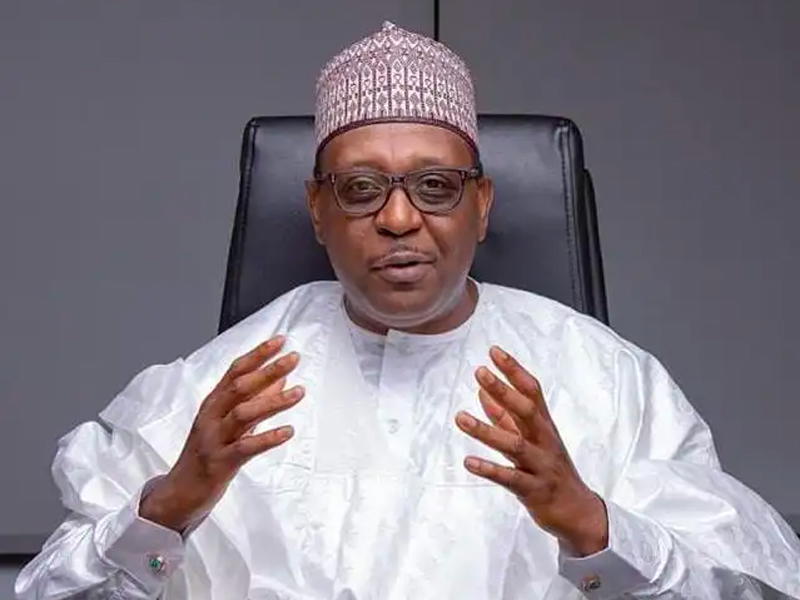
During the Quarterly Review Meeting of the Northern Traditional Leaders Committee on Primary Health Care (NTLCC) on Wednesday, Coordinating Minister of Health and Social Welfare, Prof Muhammad Ali Pate, emphasized the urgent need for community engagement.
The meeting convened a range of stakeholders, including government officials, traditional rulers, health experts, and development partners, to evaluate progress in routine immunization, polio eradication, and primary healthcare delivery across the 19 northern states.
Pate highlighted that Nigeria's primary immunization challenge is no longer limited to vaccine availability. Instead, the focus has shifted toward identifying unvaccinated children due to factors such as vaccine hesitancy, insecurity, and challenges posed by population movements.
He underscored the critical role of traditional rulers in mobilizing their communities, pinpointing missed settlements, and promoting the benefits of routine immunization. Since its inception in 2009, the NTLCC has remained instrumental in enhancing immunization coverage, maternal and child health, nutrition, and disease prevention across the region.
Pate expressed gratitude toward the traditional leaders for their dedication, stating, 'Millions of families have embraced immunization because of your efforts.' He acknowledged the achievements in sustaining Nigeria's wild polio-free status while warning of the resurgence of circulating variant poliovirus in specific high-risk states.
'The remaining barriers are predominantly due to missed children, immunization gaps, and insecurity,' Pate noted, urging leaders to leverage their influence to overcome these challenges.
He revealed that Gavi, the Vaccine Alliance, has approved nearly $500 million to support Nigeria's immunization initiatives from 2026 to 2030, earmarking approximately $345 million for vaccine procurement. Furthermore, additional investments are aimed at enhancing cold-chain logistics and strengthening primary healthcare infrastructures.
Emphasizing the need for self-sufficiency, Pate stated, 'As a responsible nation, we must invest directly in our population’s health.' He called for an increase in domestic healthcare investment to minimize reliance on external funding.
Dr Muyi Aina, Executive Director of the National Primary Health Care Development Agency (NPHCDA), reported that there have been improvements in routine immunization coverage. For instance, the second dose of the Inactivated Polio Vaccine (IPV2) saw a remarkable 105 percentage-point increase over one year.
Although some states made significant strides, increasing by up to 20 percentage points, challenges such as insecurity and access to remote areas persist in others.
The World Health Organization (WHO) Country Representative, Dr Pavel Ursu, revealed that 2.1 million Nigerian children remain zero-dose, with only 57 percent of children aged 12 to 23 months fully vaccinated nationally. The situation is particularly alarming in the North-West, where full vaccination coverage lies at only 41.5 percent.
UNICEF Country Representative, Wafaa Saeed Abdelateef, praised the vital role played by traditional and religious leaders in securing wild polio-free certification for Nigeria in 2020, emphasizing their influence in building community trust for immunization efforts.
Alhaji Samaila Muhammadu Mera, representing the Sultan of Sokoto, reaffirmed the commitment of traditional institutions to polio eradication and comprehensive primary healthcare improvement, stating, 'Polio eradication is our foremost, non-negotiable priority.' This collaborative approach is seen as crucial to addressing the vaccination challenges faced by the nation.
Why This Matters
Efforts to engage traditional rulers underscore an essential grassroots approach to overcoming vaccination barriers in Nigeria. By strengthening community mobilization and fostering local trust, the government aims to ensure that every Nigerian child receives vital immunizations, ultimately contributing to a healthier future.