Key Takeaways
- Former Governor Ayodele Fayose, now Chairman of the Rural Electrification Agency (REA), posited a direct link between lack of rural electricity and increased population growth.
- Fayose argued that early darkness in communities forces residents indoors, leading to more marital engagement due to limited recreational options.
- He emphasized that addressing Nigeria's electricity challenges would foster nightlife and outdoor activities, potentially influencing demographic trends.
- The statement highlights the broader socio-economic impacts of inadequate infrastructure in Nigeria's vast rural landscape.
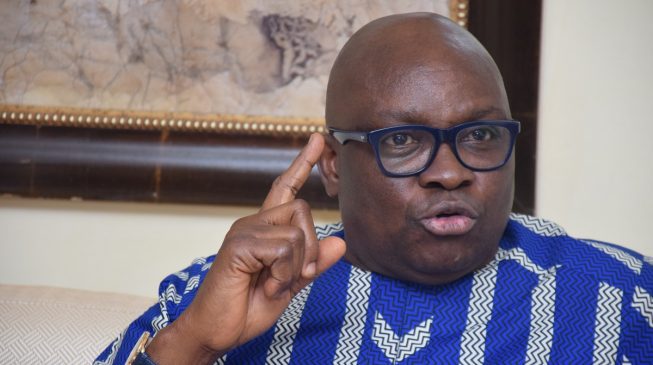
Abuja, Nigeria – Former Ekiti State Governor, Ayodele Fayose, has sparked considerable discussion following his recent assertion that the absence of electricity in Nigeria's rural communities, particularly at night, is a significant driver of population growth. Fayose, who was recently inaugurated as the Chairman of the Rural Electrification Agency (REA), made these remarks while outlining his vision for the agency.
His comments came after his appointment by President Bola Ahmed Tinubu in July 2026, as one of 26 new heads of federal government agencies and commissions. The former governor's perspective, shared in a video by ARISE News, suggests a unique socio-demographic consequence of energy poverty.
“Why don’t you address this issue of electricity? The people at that level have no alternative attraction. Nothing else matters to them. After 7 o’clock, it gets dark there,” Fayose explained. He continued, “Everybody is engaging their wives. And the population simply becomes double. The simple problem is because there is lack of electricity.”
Fayose elaborated that the early onset of darkness in many rural areas leaves residents, particularly men, with few recreational alternatives, leading them to retire to bed earlier and engage with their spouses. He believes that a robust approach to the country’s electricity challenges would not only illuminate homes but also promote vibrant nightlife and provide diverse recreational activities, encouraging people to stay outdoors and engage in community life.
“People go to bed early. Their mind is simply prepared that, well, if this is the only available recreation, let me remain here. But when we address this electricity, there will be nightlife. There will be recreation outside your wife,” he added, underscoring his belief in the transformative power of electrification beyond mere illumination.
The Mandate of the Rural Electrification Agency (REA)
The Rural Electrification Agency (REA) is a pivotal government body tasked with expanding electricity access to unserved and underserved rural communities across Nigeria. Its mission is crucial for national development, aiming to bridge the energy gap that hinders economic growth, educational opportunities, and overall quality of life in remote areas. Fayose's appointment to lead this agency comes at a time when Nigeria is grappling with persistent power supply issues, despite significant investments in the sector.
The agency's work involves implementing various electrification projects, including grid extension, solar mini-grids, and stand-alone solar systems. These initiatives are designed to stimulate local economies, improve healthcare services, enhance security, and provide educational resources in areas that have historically been marginalized from the national grid. The challenge is immense, given Nigeria's vast geographical spread and diverse terrain.
Broader Implications of Energy Poverty
Fayose's controversial statement, while perhaps delivered with a touch of humor, highlights a serious underlying issue: the multifaceted impact of energy poverty on daily life in rural Nigeria. Beyond the direct economic disadvantages, lack of electricity can indeed influence social patterns, leisure activities, and even family dynamics. When communities lack basic infrastructure, the options for evening engagement are severely limited, potentially leading to a more insular existence.
Addressing the electricity deficit is not just about powering homes; it's about fostering social cohesion, enabling small businesses to operate longer, facilitating access to information, and creating opportunities for education and entertainment that can broaden horizons and improve livelihoods. The former governor's remarks, therefore, serve as a stark reminder of the profound and often overlooked consequences of inadequate infrastructure development.
Why This Matters
Fayose's candid remarks, though unconventional, draw attention to the critical need for comprehensive rural electrification in Nigeria, not just for economic development but also for its potential socio-cultural impact. His leadership at the REA will be closely watched as the nation seeks innovative solutions to its persistent power challenges and strives to improve the quality of life for millions in underserved communities.