Key Takeaways
- The International Media and Information Literacy Institute (IMILI) is established to combat fake news and promote media literacy in Nigeria.
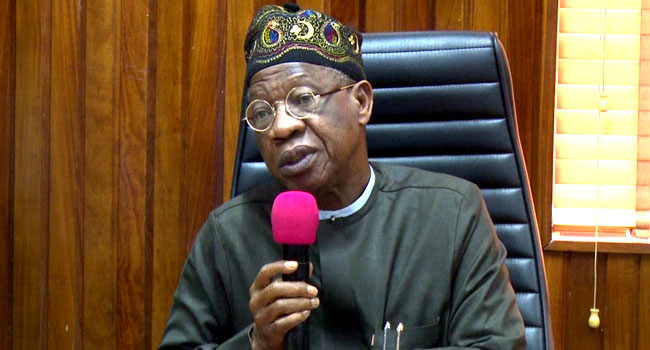
- Former Minister Lai Mohammed emphasizes the need for responsible regulation to curb false information and protect national security.
- IMILI is the first of its kind globally under the UNESCO Category 2 framework, serving as a hub for research, capacity building, and policy development.
- The institute's launch is a significant step towards empowering Nigerians with the skills to navigate the digital information space responsibly.
Nigeria's Battle Against Fake News
In a bold move to tackle the menace of fake news, Nigeria has taken a significant step forward with the official launch of the International Media and Information Literacy Institute (IMILI). The institute, a collaborative effort between Nigeria and UNESCO, aims to address the growing concern over the spread of false information and its potential impact on the country's unity and democratic stability.
Former Minister of Information and Culture, Lai Mohammed, highlighted the importance of responsible regulation in curbing the spread of misinformation. He emphasized that while safeguarding freedom of expression is paramount, it is equally crucial to protect national security and promote ethical media practices.
The establishment of IMILI is a landmark achievement, as it is the first institute of its kind globally under the UNESCO Category 2 framework. This institute will serve as a center for research, capacity building, and policy development in media and information literacy. By equipping Nigerians with the necessary skills to navigate the digital information space responsibly, IMILI aims to empower citizens to become active participants in the fight against fake news.
A Historic Launch and Global Recognition
The official launch of IMILI was a momentous occasion, with the signing of the Memorandum of Understanding (MoU) for implementation between key stakeholders. This event, attended by prominent figures such as the Executive Secretary of the Nigerian Press Council (NPC), Dili Ezughah, and representatives from UNESCO, marked a significant milestone in Nigeria's journey towards media literacy.
The institute's launch follows the ceremonial event presided over by President Bola Tinubu at the State House on Wednesday. The presence of key stakeholders, including the vice chancellor of the National Open University, Uduma Uduma, and the president of the Nigerian Institute of Public Relations, Ike Neliaku, underscores the importance and support given to this initiative.
Empowering Nigerians with Digital Literacy
IMILI's primary objective is to empower Nigerians with the skills needed to critically evaluate information, distinguish between fact and fiction, and make informed decisions. By promoting media literacy, the institute aims to foster a more informed and engaged citizenry, capable of contributing to a healthier media ecosystem.
With the rise of social media and the ease of information sharing, the need for media literacy has become increasingly evident. IMILI's research and capacity-building initiatives will play a crucial role in developing strategies to combat misinformation and promote ethical media practices.
Why This Matters
The launch of IMILI signifies Nigeria's commitment to tackling the challenges posed by fake news and misinformation. By promoting media literacy, the institute aims to empower Nigerians to become active participants in shaping a more informed and democratic society.