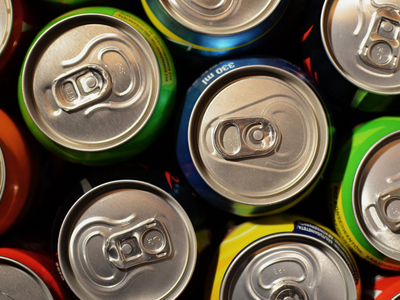
Walk into almost any shop in Lagos, Nairobi, or Accra today, and you will find a shelf, sometimes several shelves, filled with bright cans They promise wings, focus, stamina, or a jolt strong enough to get a student through an all-night reading session. This is no longer a small trend. It is a global industry worth more than 80 billion dollars a year, and Africa is one of the fastest-growing markets for it. Nigeria alone is expected to grow its energy drink sales by more than 14% a year through the rest of this decade. That is faster than almost anywhere else in the world.
As someone who spends a lot of time thinking about how health messages reach ordinary people, I find this growth worth dwelling on. The drinks have quietly become part of daily life for a generation that grew up with them as normal. However, to many doctors, these drinks are still something new and slightly alarming. Let us start with what is actually in the cans. Energy drinks are built around caffeine, usually alongside sugar, taurine, guarana, ginseng, and a mix of B vitamins. A single serving can carry anywhere from 80 to 500 milligrams of caffeine. Unfortunately, most people drinking them have no real sense of where what they are swallowing falls in that range.
For comparison, a mug of instant coffee has somewhere around 80 to 100 milligrams. Some of the stronger drinks on sale contain the caffeine equivalent of four or five cups of coffee in one bottle. People often drink them quickly and on an empty stomach, sometimes more than one a day. Some mix them with alcohol at parties, which is one of the more dangerous combinations, because the stimulant effect masks how drunk a person actually is. The truth is that the medical evidence on what these drinks do to the body has grown substantially over the past few years. It paints a more serious picture than the cheerful marketing suggests.
Researchers have linked habitual consumption to sharp rises in blood pressure, irregular heart rhythms, and strain on the lining of blood vessels. Some of these effects show up within a day of drinking just one can. Case reports have described young, otherwise healthy people developing heart attacks and dangerous rhythm disturbances after periods of heavy use. There is also emerging evidence of strain on the liver and kidneys with sustained high intake. Some research points to disruption of the gut bacteria that keep our digestive systems balanced. None of this means an occasional energy drink is going to put someone in hospital.
It means that regular, heavy consumption carries real risk, particularly for people whose hearts and kidneys are already under some other kind of stress. Most consumers are not warned about it. Now, young people are the group most exposed and also the most vulnerable. Adolescents and those in their early 20s respond more strongly to stimulants, because their nervous systems are still developing. They are also the demographic most likely to combine energy drinks with exam stress, long study nights, sport, or nightlife, sometimes all in the same week. Surveys of Nigerian consumers bear this out clearly. Roughly seven in ten regular drinkers are 30 years old or younger.
The reasons people give for reaching for a can are telling. Close to 50% say they drink them to stay alert while studying, a good number mention sport, and a fair share treat them simply as a soft-drink alternative for parties or a night out. There is also a curious contradiction worth mentioning. A meaningful share of consumers here still believe these products are broadly healthy. The marketing does little to correct that belief, given how often energy drinks are pictured alongside images of vitality, sport, and success. This is where regulation in Nigeria and across much of the continent has struggled to keep pace with the market.
NAFDAC does require formulated caffeinated beverages to be registered before sale. Nigeria has also capped caffeine content for competitive athletes. However, there is no clear national law setting a minimum purchase age for energy drinks, the way there is for alcohol. Nor is there a consistent requirement for cans to carry a plain, visible warning about caffeine content or safe daily limits. Compare that with parts of Europe, where a growing number of countries legally restrict sale to those under 16 or 18. In Nigeria, teenagers can walk up to a street hawker and buy as many cans as they can afford, with nobody asking their age.
Street hawkers account for a meaningful share of how these drinks reach consumers. This gap matters more here than in many other markets, considering how young the population is. Nigeria’s median age is around 19. That means the country has an enormous natural customer base for a product that, by most clinical accounts, is not really designed with growing bodies in mind. Now, none of this is intended to stir up panic. It is certainly not an argument to demonise a product that is unlikely to harm most healthy adults when taken sensibly and occasionally.
What it calls for is something more modest and more useful: honest information reaching people before habits form, rather than after problems appear. Parents can pay attention to how many cans are in the house and how often their children reach for them, particularly around exam season when consumption tends to spike. Schools and tertiary institutions could do more to have conversations around safer ways to manage tiredness and pressure. Reaching for a stimulant can leave a person jittery and poorly rested, and over time it raises cardiovascular risk.
Retailers, including the informal traders who sell so much of this product on our streets, could be brought into a conversation about age-appropriate sale, much as has slowly happened with alcohol. Regulators, too, have a role. Given how quickly this market is expanding, they could put clear labelling and a sensible age threshold in place now, rather than trying to catch up once patterns of heavy use are already fixed in a generation of young Nigerians. Energy drinks are not going away. They have become too central to student life, night shifts, and the general rhythm of busy African cities for that to be realistic. The more useful goal is to make sure people know what is inside the can.
It helps to understand what it might be doing to a heart or a pair of kidneys, which bears the cost long after the buzz has worn off. Ojenagbon, a health communication expert and certified management trainer, lives in Lagos.