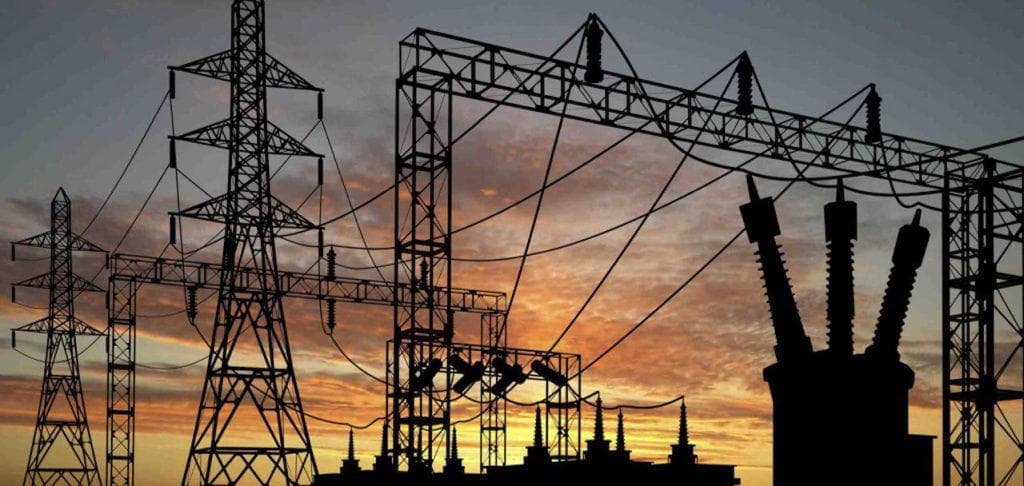
Government’s Subsidy Shortfall Cripples Nigeria’s Power Sector
The Federal Government’s failure to meet its financial obligations has plunged Nigeria’s already struggling electricity sector into deeper turmoil. Fresh data reveals that only N76.95 billion—just 4% of the N1.928 trillion subsidy required in 2025—was disbursed, leaving a staggering N1.85 trillion deficit.
Despite budgeting N958 billion for electricity subsidies in 2025, the government released a mere N76.95 billion, exacerbating the sector’s financial instability. The Nigerian Electricity Regulatory Commission (NERC) reported quarterly subsidy obligations of N536.40 billion (Q1), N514.36 billion (Q2), N458.76 billion (Q3), and N418.79 billion (Q4). Alarmingly, the subsidy for January 2026 alone stands at N126.48 billion, signaling an unrelenting funding crisis.
GenCos Struggle as Gas Suppliers Cut Supply Over Unpaid Debts
Industry analysts warn that the government’s failure to settle its debts has left power generation companies (GenCos) unable to pay gas suppliers, the lifeblood of electricity production. In response, gas companies have slashed supply volumes, leading to a sharp decline in power generation and nationwide blackouts.
Former Managing Director of the Niger Delta Power Holding Company (NDPHC), Chiedu Ugbo, criticized the public disputes over debt figures, calling them counterproductive. “At a time when Nigerians are suffering from intense heat, reduced productivity, and economic hardship due to inadequate power supply, we should be focusing on solutions—not blame-shifting,” he stated.
Sector-Wide Collapse Looms as Stakeholders Trade Blame
Ugbo emphasized that the Nigerian Bulk Electricity Trading Plc (NBET), the sector’s central offtaker, is caught in a systemic crisis. “NBET cannot deny the significant outstanding debts to GenCos and gas suppliers. However, this is not entirely NBET’s fault—it’s a sector-wide issue stemming from collection inefficiencies, tariff shortfalls, and structural gaps,” he explained.
He warned that adversarial relationships between NBET, GenCos, and regulators would only worsen the crisis. “There’s no scenario where GenCos get paid for unreconciled amounts, nor can the sector thrive if stakeholders operate as adversaries,” Ugbo added.
Experts Demand Urgent Government Intervention
Former NBET Managing Director, Rumundaka Wonodi, stressed the need for timely payments to GenCos. “NBET was designed as a creditworthy central offtaker. Its partnership with GenCos depends on full and prompt invoice settlements,” he said.
Wonodi rejected the idea that GenCos should tolerate delays due to NBET’s constraints. “NBET is a proxy for the government. If the government has failed to invest in transmission, gas infrastructure, and sustainable tariffs, it must step up and adequately fund NBET to meet its obligations,” he insisted.
Key Takeaways from Nigeria’s Power Sector Crisis
- Massive Subsidy Shortfall: Government paid only 4% of the N1.928 trillion subsidy required in 2025.
- Gas Supply Cuts: Unpaid debts force gas suppliers to reduce fuel volumes, crippling power generation.
- Systemic Failures: Collection inefficiencies, tariff gaps, and infrastructure deficits plague the sector.
- Leadership Call: Experts urge collaboration over blame-shifting to avert total sector collapse.
- Urgent Action Needed: Government must fund NBET to stabilize the market and restore power supply.
What’s Next for Nigeria’s Electricity Sector?
With the power sector on the brink, stakeholders are demanding immediate reforms. Without decisive action—including tariff adjustments, infrastructure investments, and debt settlements—Nigeria’s electricity crisis will continue to deepen, further stifling economic growth and worsening living conditions for millions.